
Luckily, there are many ways to prevent bathroom mold. Let’s talk about the biggest culprit behind bathroom mold: humidity! It’s like a party for mold spores, and we definitely don’t want that. The good news is, we can totally get a handle on it. Controlling moisture is your number one weapon against mold taking over your bathroom.
Ventilate Like A Pro
This is huge. When you’re showering or taking a bath, all that steam needs somewhere to go. If you’ve got an exhaust fan, turn it on before you even step into the shower and leave it running for about 20-30 minutes afterward. It makes a real difference in clearing out the moist air. If you don’t have a fan, or it’s not cutting it, try cracking open a window or leaving the bathroom door ajar. It might feel a little chilly sometimes, but it’s way better than dealing with mold!
Prevent Bathroom Mold With Fresher Air
Think of airflow as giving your bathroom a good breath of fresh air. When you’re not using the bathroom, especially after a steamy session, try to keep the door open. This helps any lingering moisture escape. It’s a simple step, but it really helps prevent that damp environment where mold loves to grow. It’s all about letting the air move freely.
Dehumidify Your Space
Sometimes, even with good ventilation, the humidity levels in your bathroom can stay too high. The ideal range for indoor humidity is usually between 35% and 50%. If your bathroom feels consistently damp, or if you live in a really humid climate, a dehumidifier might be your new best friend. These gadgets pull excess moisture right out of the air. You can find smaller, portable ones that are pretty easy to use and don’t take up much space. Just remember to empty them regularly!
Keep Surfaces Sparkling And Dry
Alright, let’s talk about keeping those bathroom surfaces bone dry. This is where mold really loves to set up shop, so we need to be a bit proactive here. Think of it like this: water is mold’s best friend, and we want to be the opposite of that!
Squeegee Away Excess Water
Seriously, this is such a simple step, but it makes a huge difference. As soon as you’re done with your shower or bath, grab a squeegee and run it down the shower walls and doors. It takes like, thirty seconds, and it gets rid of most of the water before it can even think about evaporating and causing trouble. If you don’t have a squeegee, a quick wipe with a microfiber cloth works too. Don’t forget to give the tub or sink a quick swipe if there’s any standing water there.
Wipe Down Walls And Fixtures
After you’ve squeegeed, take a moment to wipe down any remaining water droplets on the walls, shower doors, and fixtures like your faucet and showerhead. These little puddles can still create a damp environment. A quick pass with a dry cloth is all it takes. Pay attention to corners and edges where water tends to hang out. It might seem like a lot, but once you get into the habit, it’s super fast.
Dry Everything Thoroughly
This goes beyond just the walls and doors. Think about your shower curtain. If it’s fabric, give it a good shake to get excess water off. If it’s plastic, you can even pull it closed after your shower to help it dry faster. And don’t forget about the floor! If you have a bath mat, make sure it’s not sitting in a puddle. Hang it up or lay it out to dry completely. The goal here is to eliminate any lingering moisture that mold could feed on. Every surface should feel dry to the touch before you leave the bathroom.
Mold needs moisture to grow, and it can start in as little as 24 to 48 hours. By actively removing water and drying surfaces, you’re basically shutting down its welcome party before it even begins.
Tackle Textiles And Linens
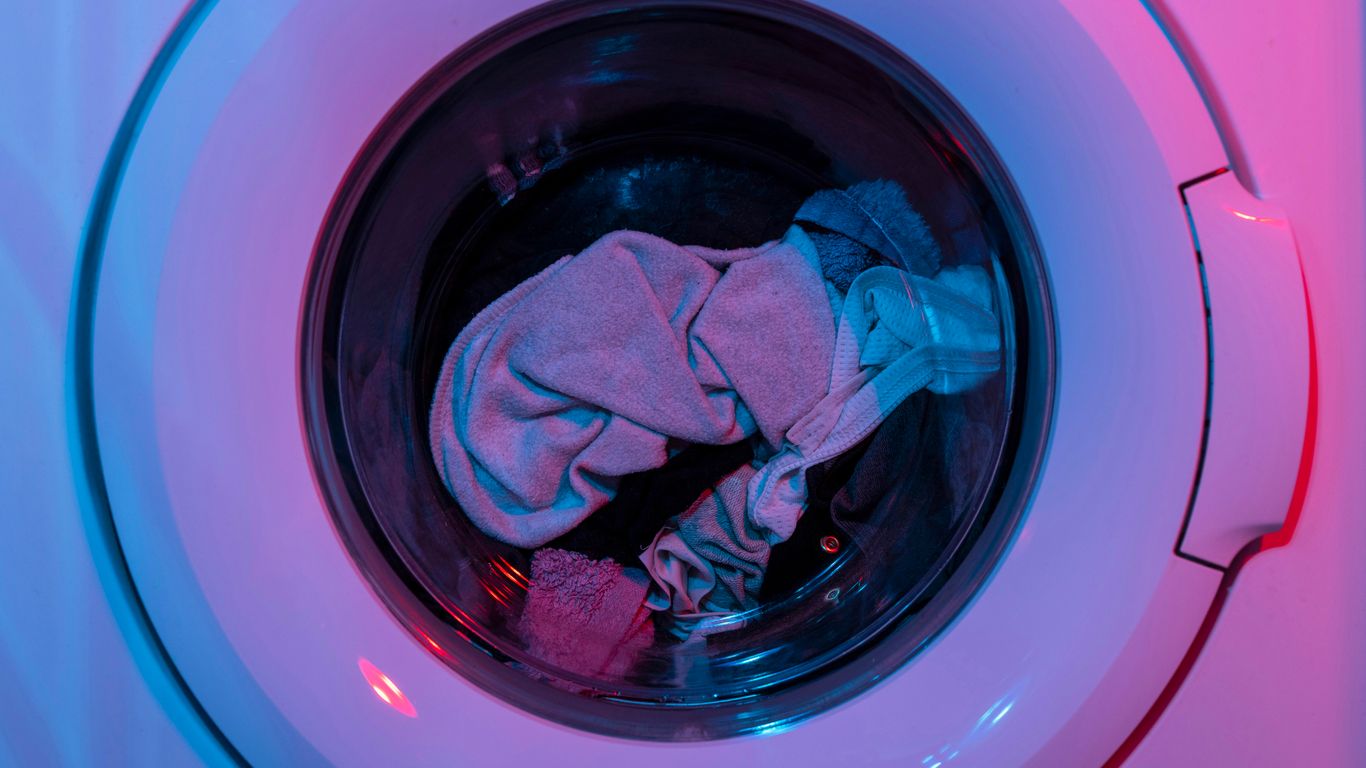
Okay, let’s talk about the stuff in your bathroom that gets wet and stays wet – your textiles and linens! These guys can be sneaky mold magnets if you’re not careful. Think shower curtains, bath mats, and even those fluffy towels you love. They all need a little extra attention to keep mold from setting up shop.
Wash Shower Curtains Regularly
Your shower curtain is basically a water catcher, right? Especially if it’s fabric, it can get damp and stay that way, creating a perfect little party spot for mold. Don’t let your shower curtain become a mold buffet! If yours is washable, toss it in the machine with your regular laundry. Use hot water if the fabric can handle it. If it’s a plastic or vinyl one, give it a good scrub with some bathroom cleaner or a vinegar solution.
If you start seeing those dark spots that just won’t budge, it might be time to just replace it. Seriously, sometimes it’s easier and healthier to just get a new one. You can find some really nice, washable fabric ones these days that look way better anyway.
Dry Bath Mats Promptly
That bath mat is the first thing you step on after a shower, so it’s bound to get soaked. If it just sits there, damp, it’s going to get funky. Try to hang your bath mat up after you use it so air can get to both sides. If you have a non-slip mat, make sure you’re washing it regularly, too.
Check the care label, but most can go in the washing machine. Super absorbent mats are your best friend here; they’ll soak up more water and help keep your floor drier. Remember to dry the floor itself after showering, too! A quick wipe-down with a microfiber cloth can make a big difference. You can even use a squeegee on your shower walls and floor to get rid of excess water.
Launder Towels With Care
Towels are another big one. We all love a soft, fluffy towel, but if you’re reusing the same one for days without letting it dry properly, you’re basically inviting mold. After each use, hang your towel up so it can air out completely. Don’t just leave it bunched up on the floor or a hook. When it’s time to wash, use hot water to really get them clean. And make sure they are completely dry before you fold them and put them away. If you notice any musty smells, that’s a sign mold might be starting. Washing them more often or drying them outside on a sunny day can help a lot.
Inspect And Maintain Your Bathroom’s Details
Okay, so we’ve talked about keeping things dry and aired out, but what about those little nooks and crannies? Mold loves to hide, and if you’re not looking closely, it can get a real foothold. It’s all about being a bit of a bathroom detective!
Check Grout And Caulk
Think of grout and caulk as the tiny highways mold uses to travel. When they get cracked or worn down, water can seep behind them, creating a perfect, damp hideaway. It’s super important to keep an eye on these areas. If you see any crumbling grout or peeling caulk, it’s time to patch it up or reapply. This isn’t just about looks; it’s about stopping moisture from getting where it shouldn’t.
Look Under Sinks And Around Toilets
These spots often get overlooked, but they can be damp and dark – mold’s favorite combo! Check for any drips from pipes under the sink. Sometimes, a slow leak you don’t even notice can create a big problem over time. And around the base of the toilet, make sure there’s no moisture seeping out. A quick wipe-down and a peek underneath can save you a lot of hassle later.
Don’t Forget The Ceiling And Windows
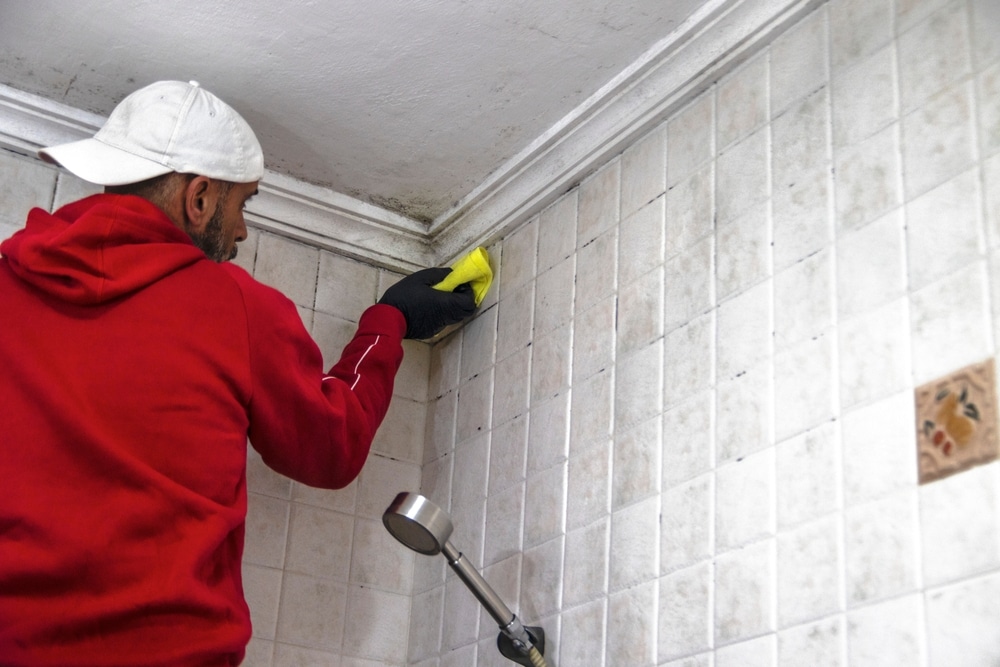
Yep, even the ceiling can get moldy, especially if you have a lot of steam building up. Look for any discoloration or fuzzy spots. Windows are another common place, particularly around the frame where condensation can collect. Wiping down window sills regularly makes a big difference. If you notice anything suspicious, it’s better to address it early before it becomes a bigger issue.
Choose The Right Materials
When you’re renovating or even just doing a quick refresh, think about the materials you’re bringing into your bathroom. Some things are just naturally more resistant to moisture and mold. For instance, instead of traditional drywall in areas prone to splashes, consider using cement board or specialized mold-resistant drywall. These can handle a bit more moisture without becoming a mold buffet. Even your paint choice matters! Opt for paints with a mildew-resistant additive, especially in high-moisture zones like around the shower. It’s like giving your walls a little superhero cape against moldy invaders.
Regular Cleaning Is Key
Okay, so we’ve talked about ventilation and drying, but let’s be real: a good old-fashioned scrub-down is still your best friend. Make it a habit to give your bathroom a thorough cleaning at least once a week. This isn’t just about making it look nice; it’s about getting rid of the tiny mold spores and food sources (like soap scum and body oils) before they have a chance to multiply. Use cleaning products that tackle mold and mildew. Don’t forget to get into those nooks and crannies – under the sink, around the toilet base, and don’t forget the shower drain!
Fix Leaks Immediately
This one is super important, folks. Leaks are like an open invitation for mold. Whether it’s a dripping faucet, a leaky pipe under the sink, or a slow drip from your toilet, you need to address it fast. Mold can start growing in as little as 24 to 48 hours in damp conditions. So, if you hear a drip, see a water stain, or notice a musty smell that seems out of place, investigate! Fixing a small leak now can save you a ton of trouble, and money, down the road. It’s way easier to replace a washer than to deal with mold-damaged walls or floors.
Think of your bathroom as a mini-ecosystem. When one part gets out of balance, like too much moisture, the whole thing can go haywire. Creating a mold-resistant haven means being proactive about the environment you’re building and maintaining.
Know When To Call The Experts
Understanding Professional Inspections
Sometimes, even with the best efforts, mold can sneak its way into your bathroom. If you’re seeing mold that just won’t quit, or if you suspect a bigger problem lurking, it might be time to bring in the pros. Professional mold inspectors are like detectives for your home. They have special tools and know-how to find mold you might miss, even in hidden spots. They’ll check out the situation, figure out what kind of mold it is, and how much is there. This info is super important for figuring out the best way to get rid of it for good.
When DIY Isn’t Enough
Let’s be real, we all love a good DIY project. But when it comes to mold, especially if it’s spread out or you’re not sure what you’re dealing with, trying to fix it yourself can sometimes make things worse. If you’ve got a large area of mold (like more than a few square feet), or if it keeps coming back after you clean it, that’s a big sign to call in the experts. They have the right gear and safety measures to handle bigger jobs without spreading spores everywhere. Plus, they can figure out why the mold is growing in the first place, which is key to stopping it for good.
Ensuring A Healthy Home Environment
Your home should be a safe and healthy place, right? If you’re worried about mold affecting your family’s health, or if you’ve had water damage that could lead to mold, getting a professional inspection is a smart move. They can test the air and surfaces to see if there are any mold spores or other yucky stuff floating around. This gives you peace of mind and a clear plan to make sure your bathroom, and your whole home, is as healthy as can be. Think of it as a health check-up for your house!
Here’s a quick rundown of when to consider calling in the pros:
- You see mold spreading rapidly or covering a large area.
- The mold smell is strong, but you can’t find the source.
- You’ve had significant water damage (like a flood or major leak).
- You or your family members are experiencing unexplained health issues that might be related to mold.
- DIY cleaning attempts haven’t solved the problem, and mold keeps returning.
Keep That Bathroom Spick and Span!
We’ve gone over all the ways mold loves to sneak into our bathrooms and how to stop it in its tracks. It’s not rocket science, really. Just a little bit of attention to things like drying things out, making sure air can move around, and keeping an eye on those damp spots can make a huge difference. Remember, a little effort now saves a lot of hassle later. Keep up these simple habits, and your bathroom will stay a fresh, clean, and happy place for everyone. You’ve got this!