

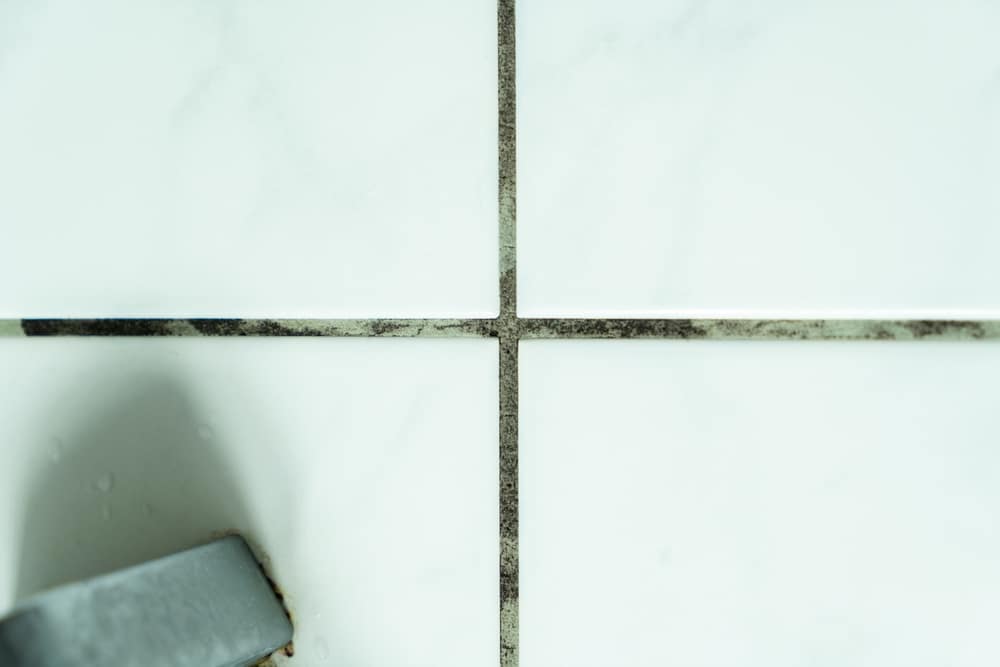
Dirty grout can make even the cleanest bathroom or kitchen look neglected. While many people spend hours scrubbing tiles, they often overlook the narrow lines between them, where dirt, soap residue, grease, and mold gradually build up. The good news is that restoring bright grout does not always require expensive tools or professional services. Learning how to whiten tile grout can dramatically improve the appearance of your floors and walls using products you may already have at home. With the right techniques and realistic expectations, you can make old grout look fresher while helping it stay cleaner for much longer.
Why Grout Turns Gray Over Time
Grout is naturally porous, meaning it absorbs moisture, dirt, and stains much more easily than glazed tile surfaces. In bathrooms, soap scum, shampoo residue, hard water minerals, and mildew slowly discolor grout. Kitchens introduce grease, food splashes, and cooking residue that settle into the tiny pores. Even regular foot traffic can push dirt deep into floor grout, causing white lines to become dull gray over time. Sealing helps slow this process, but sealers wear down with age and cleaning. Understanding what causes discoloration is the first step toward choosing the safest and most effective cleaning method for your home.
Whiten tile grout Safely at Home
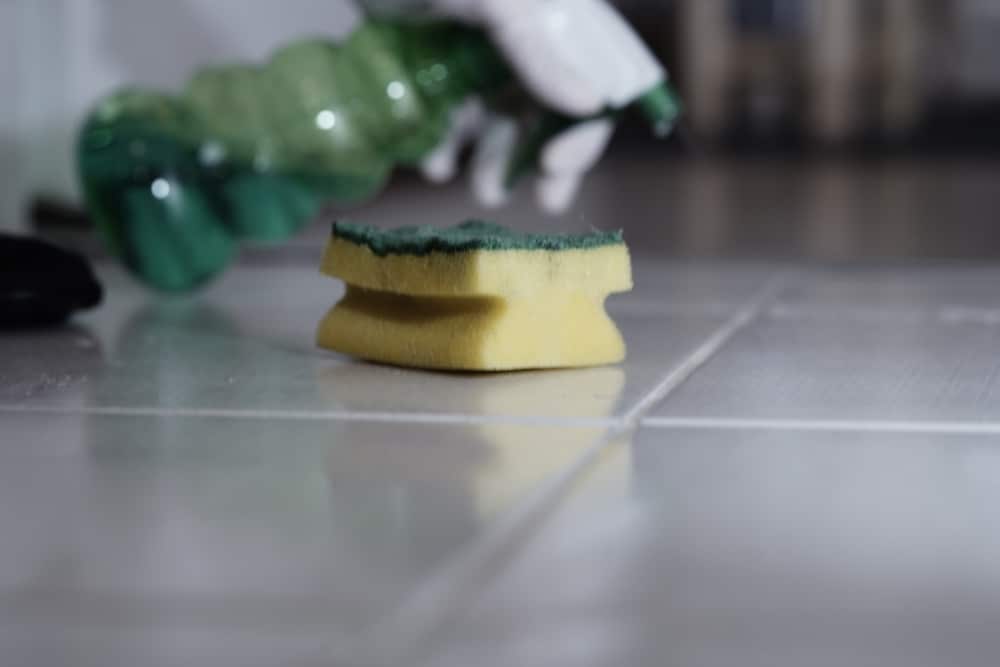
Before reaching for harsh chemicals, gather a few simple supplies. A soft or medium-bristled grout brush, microfiber cloths, warm water, rubber gloves, and a spray bottle are excellent starting points. Baking soda and hydrogen peroxide are popular household cleaners that many people use on grout, while oxygen bleach products can be effective for stubborn stains when used according to their instructions. To whiten tile grout successfully, always test any cleaner on a small hidden area first. This helps ensure the product does not discolor surrounding materials or damage sensitive natural stone tiles.
Once you’ve chosen a cleaner, work in manageable sections instead of trying to tackle an entire room at once. Apply the solution generously and allow it to sit for several minutes so it can loosen embedded dirt. Scrub gently using circular motions rather than excessive force, since aggressive scrubbing can gradually wear away grout. Rinse thoroughly with clean water and wipe away remaining residue using a microfiber cloth. Taking your time will usually deliver better results than rushing through the process, especially if the grout has not been cleaned deeply for several years.
Common Mistakes When You whiten tile grout
One of the biggest mistakes homeowners make is mixing cleaning products without checking whether they are compatible. Certain combinations, such as bleach with ammonia or acidic cleaners, can create dangerous fumes and should always be avoided. Another common error is using metal brushes or abrasive pads that scratch tile surfaces or erode grout. People also tend to expect instant results, but deeply stained grout often requires several careful cleaning sessions rather than one aggressive attempt. Patience is safer for both your grout and your health while producing a more even final appearance.
Ventilation is equally important during any deep cleaning project. Open windows whenever possible or use an exhaust fan to improve airflow while working. Wearing gloves protects your skin from drying or irritation caused by cleaning solutions. If you are cleaning shower grout, rinse thoroughly afterward to remove any remaining cleaner before the area is used again. Small safety habits may seem insignificant, but they make the cleaning process much more comfortable while reducing unnecessary risks around your home.
Natural Ways to whiten tile grout
Many homeowners prefer natural cleaning methods because they are inexpensive and widely available. Baking soda mixed with a small amount of water creates a paste that can help lift surface stains. Hydrogen peroxide is another commonly recommended option because it releases oxygen that helps break down discoloration. White vinegar is often suggested for ceramic tile grout, but it should not be used on natural stone because the acid may damage the surface. Choosing the correct cleaner for your tile type is just as important as selecting an effective technique for removing stains.
Consistency matters more than intensity when maintaining clean grout. Instead of waiting until discoloration becomes severe, lightly clean grout every few weeks. Wiping shower walls after use reduces moisture that encourages mildew growth, while quickly cleaning kitchen spills prevents grease from settling into grout lines. These simple habits significantly reduce future buildup and make deep cleaning sessions less demanding. A little preventive care often saves hours of scrubbing later while helping your tiled surfaces retain their fresh appearance throughout the year.
When to whiten tile grout or Replace It
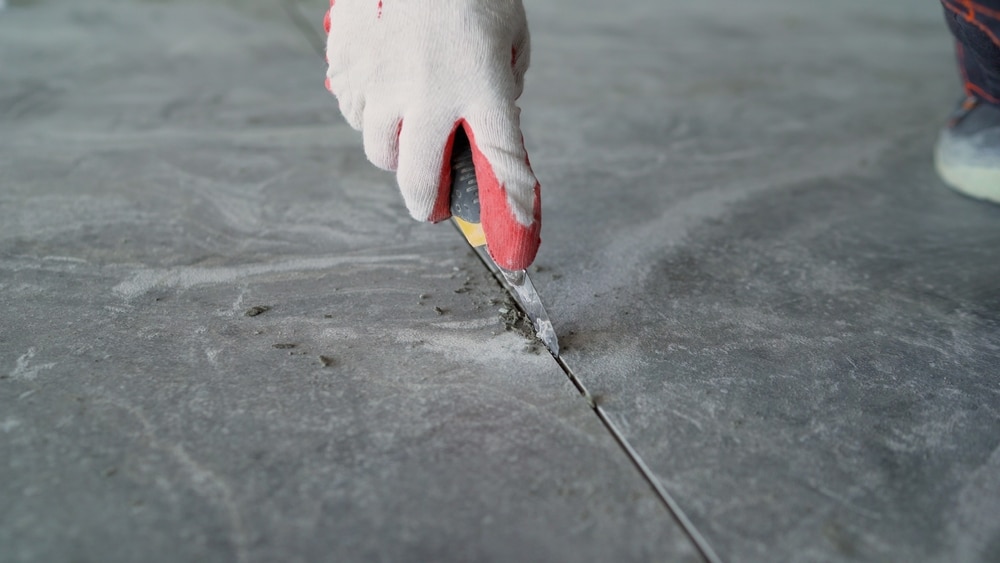
Although cleaning can dramatically improve grout, there are situations where replacement becomes the better option. If grout is crumbling, missing in sections, or showing significant cracking, cleaning alone cannot restore its strength. Persistent mold that repeatedly returns despite proper cleaning may also indicate moisture problems behind the tile that need professional attention. In these cases, repairing or replacing damaged grout protects both the appearance and durability of the tiled surface while helping prevent more expensive repairs in the future.
After cleaning, applying a quality grout sealer can help preserve your results. Sealers create a protective barrier that slows the absorption of moisture, dirt, and household stains. Most manufacturers recommend reapplying sealer periodically, although the exact timing depends on product type and how heavily the area is used. By combining regular cleaning, prompt spill removal, and occasional resealing, you can whiten tile grout less frequently because discoloration develops much more slowly over time. Preventive maintenance is often the easiest way to keep grout looking bright.
Fresh-looking grout has a surprisingly large impact on the overall appearance of a room. Bright grout makes tiles stand out, reflects more light, and creates a cleaner, more welcoming atmosphere without requiring a full renovation. Whether you are preparing your home for guests, planning to sell your property, or simply enjoying a cleaner living space, the effort invested in grout care pays off visually. Taking a thoughtful, methodical approach delivers better long-term results than relying on overly harsh shortcuts or miracle products that promise unrealistic transformations.
Restoring dingy grout is one of the most affordable ways to refresh tiled surfaces without replacing them. By choosing suitable cleaning products, using gentle techniques, and maintaining grout regularly, you can enjoy brighter lines that stay cleaner for longer. Remember that different tile materials require different care, so always check product guidance before starting any project. With realistic expectations and a little patience, you can whiten tile grout effectively while protecting both your grout and your tiles. Small maintenance habits today will help keep your bathroom and kitchen looking cleaner for years to come.
Do you want more amazing tips to clean your home? Then visit our Cleaning & Maintenance page right here