

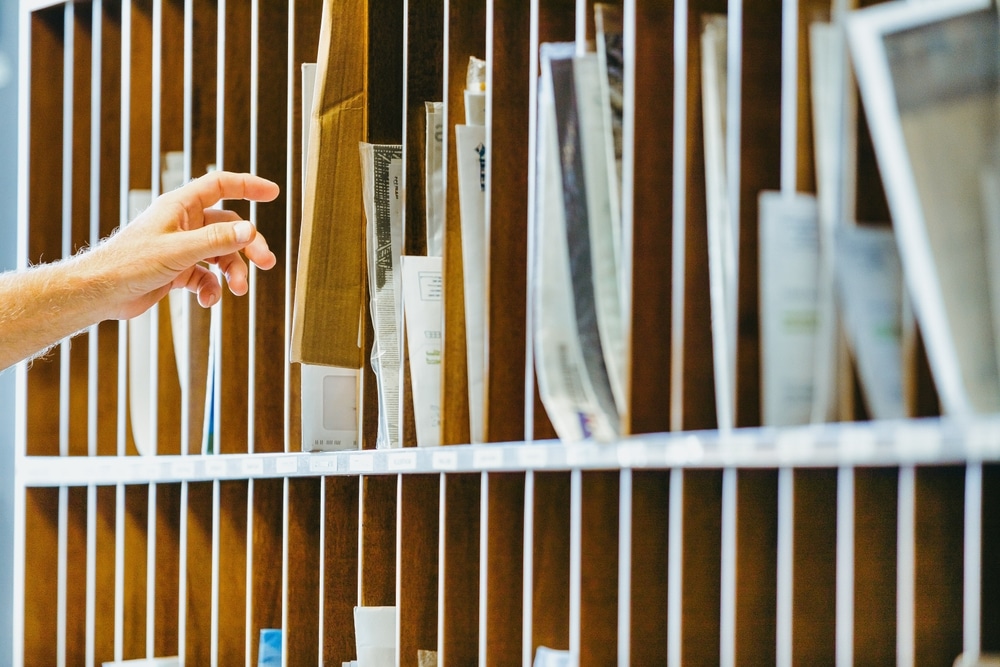
Mail piling up on the kitchen counter or hallway table can make an otherwise tidy home feel chaotic. Bills, advertisements, important letters, and magazines often arrive together, making it difficult to know what deserves attention first. The good news is that you do not need complicated storage products or hours of weekly sorting to stay on top of it. A practical, consistent approach is usually enough to keep paper under control. By creating a reliable mail organization system, you can reduce stress, avoid misplaced documents, and spend less time searching for important paperwork when you need it most.
Mail organization system for every home
Every household receives different types of mail, but the challenges are surprisingly similar. Promotional flyers mix with tax documents, while birthday cards can disappear beneath catalogs. The key is creating one place where everything enters your home before going anywhere else. Instead of dropping envelopes on the nearest surface, make it a habit to place them in the same tray or basket every day. A well-planned mail organization system does not have to be expensive. Even a simple desktop organizer or wall-mounted holder can create structure and prevent paper from spreading across multiple rooms.
Start by sorting immediately
One of the biggest mistakes people make is delaying the first decision. When unopened envelopes continue to stack up, they quickly become overwhelming. Instead, spend just a few minutes sorting your mail as soon as it comes inside. Separate obvious junk mail for recycling, place bills in one section, and keep personal correspondence together. This quick routine saves valuable time later because you only handle each item once. A dependable mail organization system encourages these small daily habits, making clutter far less likely to build into an intimidating pile.

Create clear categories
Not every piece of mail deserves permanent storage, so deciding on a few simple categories makes filing much easier. Consider using labels such as “Action Needed,” “To File,” “To Read,” and “Recycle.” Keeping categories limited prevents confusion while still covering nearly every situation. Once documents have been sorted, you will immediately know what requires attention and what can wait. A practical mail organization system works best when everyone in the household understands the categories and follows them consistently, reducing the chance of misplaced paperwork.
Schedule a weekly review
Even the best habits benefit from regular maintenance. Set aside ten or fifteen minutes each week to review everything waiting in your designated mail area. Pay outstanding bills, file completed paperwork, and recycle anything you no longer need. This short appointment with yourself prevents papers from lingering for weeks or even months. Many people discover that staying organized requires far less effort than they expected once they establish a predictable routine. Your mail organization system becomes much easier to maintain when weekly reviews are treated as a normal part of household management.

Reduce unnecessary paper
A large percentage of incoming mail never needs to enter your filing cabinet at all. Many banks, utility companies, and service providers now offer digital statements that are secure and easy to access. Unsubscribing from unwanted mailing lists can also dramatically reduce the volume arriving each week. Less paper means fewer decisions and less clutter to manage. While some physical documents should always be kept safely, reducing unnecessary mail allows your mail organization system to focus only on the information that truly matters in your daily life.
Store important documents safely
Some paperwork deserves long-term protection rather than temporary storage. Birth certificates, insurance documents, property records, warranties, and tax information should be placed in clearly labeled folders or a secure filing cabinet. Keeping these items separate from everyday correspondence makes them much easier to locate during emergencies or important appointments. Digital copies can provide additional peace of mind, although original documents should still be stored safely when required. An effective mail organization system includes both short-term handling and long-term storage so nothing important is ever lost.
Build habits that last
The most successful organizing methods are the ones people actually continue using. Avoid creating complicated rules that require too much time or effort. Instead, focus on simple routines that fit naturally into your daily schedule. Open the mail, sort it immediately, recycle unwanted items, and review pending paperwork once a week. These small actions quickly become automatic with repetition. A reliable mail organization system is not about perfection. It is about consistency, making your home feel calmer while ensuring important documents are always easy to find when needed.
Paper clutter rarely disappears on its own, but it also does not require elaborate solutions. A few thoughtful habits can completely change the way you manage incoming mail and eliminate the frustration of searching through messy stacks. Begin with one collection point, sort items immediately, and review everything on a regular schedule. Over time, these actions become second nature and require very little effort. By sticking with your mail organization system, you will enjoy a cleaner home, greater peace of mind, and the confidence that every important document is exactly where it should be.
Do you want more amazing tips to reorganize your home? Then visit our home organization page right here