
Cable clutter has become one of the most common frustrations in modern homes. Between smartphones, tablets, wireless earbuds, smartwatches, and portable gaming devices, charging cables seem to multiply overnight. Tangled cords on countertops, crowded power strips, and devices scattered around the house create unnecessary stress and visual chaos. A DIY charging station offers a practical solution that keeps everything organized in one dedicated space. Not only can it simplify daily routines, but it can also improve the appearance of your home while ensuring every device is charged and ready whenever you need it.
Why Cable Clutter Has Become a Modern Problem
Technology has transformed the way we live, but it has also introduced a growing number of charging needs. Most households now own multiple devices per person, and each one requires power on a regular basis. Unfortunately, charging setups often evolve without a clear plan. A cable gets plugged into a wall outlet here, another power brick gets added there, and before long, surfaces become overwhelmed with cords and adapters.
The problem goes beyond appearance. Loose cables collect dust, become tangled, and can even create tripping hazards. Searching for the correct charger wastes time and causes frustration. A well-designed DIY charging station solves these issues by creating a central location for all charging needs. Instead of devices being spread throughout the house, they remain organized and easily accessible.
The Benefits of Creating a Dedicated Charging Area
One reason a DIY charging station has become a popular home project is that it combines convenience with organization. Having a designated place for charging devices eliminates the daily hunt for cables and power adapters. Family members know exactly where devices belong, making it easier to maintain a tidy environment.
A dedicated charging area can also protect devices from accidental damage. Phones left on kitchen counters or sofas are more likely to be dropped, spilled on, or misplaced. When everything has a designated charging spot, devices stay secure while powering up. The result is a cleaner, more functional space that helps establish better habits for everyone in the household.
Planning Your DIY Charging Station
Before gathering materials, it is important to think about how the charging station will be used. Consider how many devices need charging on a daily basis and what types of chargers they require. Some households may only need room for a few phones, while others may need space for tablets, smartwatches, headphones, and other electronics.
A successful DIY charging station starts with thoughtful planning. Measure the intended location and determine whether the station will sit on a desk, countertop, shelf, or wall. Consider airflow as well, since electronic devices generate heat while charging. Planning ahead helps ensure the finished project meets current needs while allowing room for future devices.
Choosing the Right Materials
One of the best aspects of building a DIY charging station is the flexibility to customize it. Materials can range from simple wooden boxes to repurposed furniture pieces. Many people use inexpensive plywood, decorative storage bins, or wooden crates as the foundation for their project.
The goal is to create a structure that hides cables while allowing devices to remain accessible. Openings can be drilled for charging cords, and compartments can be added to separate different devices. Selecting durable materials ensures the station can handle daily use while complementing the style of the surrounding room. Whether you prefer a modern, rustic, or minimalist look, the design possibilities are nearly endless.

Hiding Cables for a Cleaner Appearance
The true magic of a DIY charging station lies in its ability to conceal cables. Without cable management, even the most attractive setup can quickly look messy. Creating hidden pathways for cords helps maintain a clean and organized appearance while reducing tangles.
Cable clips, adhesive organizers, and drilled access holes can all contribute to effective cable routing. Power strips can often be hidden inside a box or compartment, leaving only the charging ends visible. This approach dramatically improves visual appeal and creates a more professional-looking setup. Proper cable management also makes cleaning easier since fewer cords are exposed to collect dust.
Customizing Storage for Different Devices
Every household has unique charging requirements, which is why customization is one of the biggest advantages of a DIY charging station. Some users may need slots for multiple smartphones, while others require storage for larger tablets or accessories. Adjustable dividers can help create designated spaces for each item.
Including separate compartments can prevent devices from scratching against one another. Some builders even add labels to indicate where each family member’s devices belong. By tailoring the design to specific needs, the charging station becomes more than just a power hub. It transforms into an organizational tool that simplifies daily life and reduces household clutter.
Adding Style to Functionality
A DIY charging station does not have to look like a purely practical project. In fact, many homeowners use these builds as opportunities to enhance their interior design. Paint, wood stain, decorative hardware, and custom finishes can help the charging station blend seamlessly with existing decor.
Creative designs can turn an ordinary organizational tool into a conversation piece. Some people build stations that resemble miniature cabinets, while others incorporate modern design elements with sleek finishes and hidden compartments. By combining style with functionality, the charging station becomes an attractive addition to the room rather than something that needs to be hidden away.

Safety Considerations During Construction
Whenever electricity is involved, safety should remain a top priority. While a DIY charging station primarily focuses on organization, it still houses power strips and charging equipment that generate heat. Adequate ventilation is essential to prevent overheating during extended charging sessions.
Avoid overcrowding power strips and always use quality charging accessories from reputable manufacturers. It is also wise to inspect cables regularly for signs of wear or damage. Proper spacing between devices helps improve airflow and reduces the likelihood of heat buildup. Taking these precautions ensures the charging station remains both safe and reliable over the long term.
Making the Station Future-Proof
Technology changes rapidly, and today’s charging needs may look very different in a few years. Building flexibility into a DIY charging station can help extend its usefulness. Leaving extra space for future devices and designing removable dividers allows for easier adaptation as technology evolves.
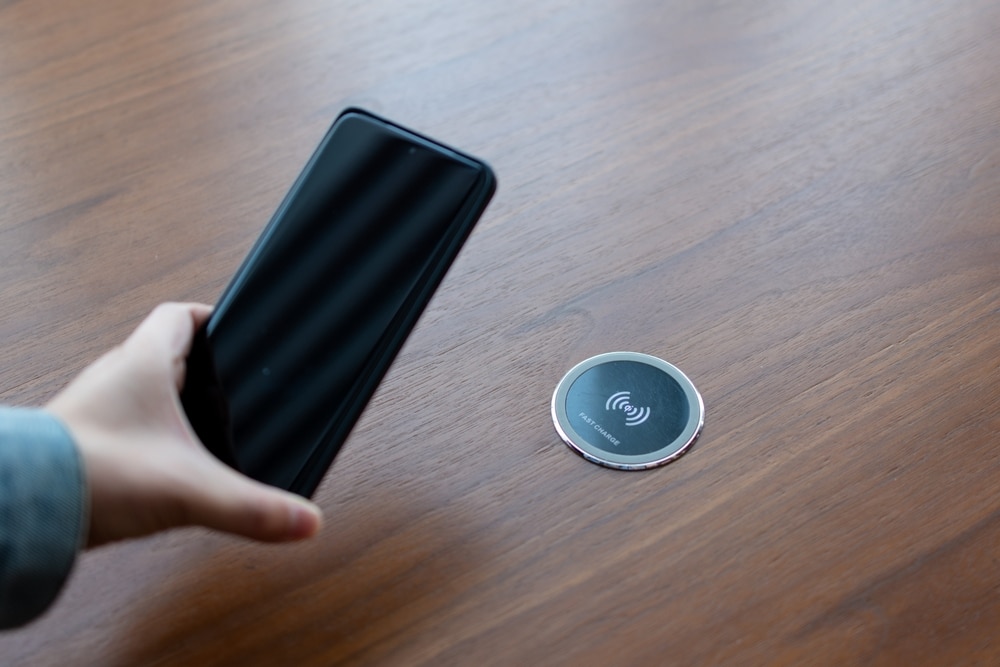
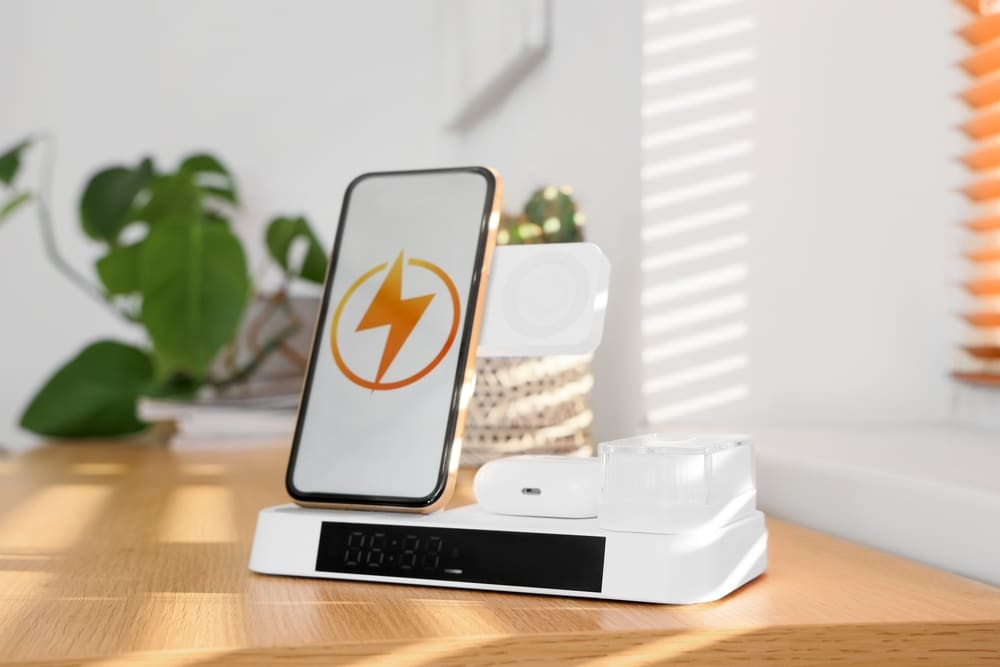
USB charging hubs, wireless charging pads, and multi-device charging systems continue to grow in popularity. Incorporating these options into the design can help ensure the station remains relevant as new gadgets enter the home. A future-proof setup reduces the need for major modifications and helps maximize the value of the project over time.
Maintaining an Organized Charging Hub
Even the best DIY charging station requires occasional maintenance to remain effective. Dust accumulation, unused cables, and changing device collections can gradually reduce organization if left unchecked. Scheduling periodic cleanups helps keep everything functioning smoothly.
Take time every few months to remove unnecessary cords and reorganize devices as needed. Check charging cables for wear and replace damaged accessories promptly. Maintaining the station ensures it continues to serve its purpose while preventing clutter from slowly returning. Consistent upkeep helps preserve both the appearance and functionality of the setup.
A Simple Project With Lasting Benefits
Building a DIY charging station is one of the most practical home organization projects available today. It addresses a common problem that affects nearly every modern household while offering endless opportunities for customization and creativity. By bringing devices together in a single location, it reduces clutter, improves convenience, and creates a cleaner living environment.
The beauty of a DIY charging station lies in its simplicity. With careful planning, thoughtful cable management, and a design tailored to your needs, you can eliminate tangled cords and scattered devices for good. The result is a more organized home where technology works for you instead of creating daily frustration. Investing a little time into this project can provide years of convenience, helping you enjoy a cleaner, more efficient, and more visually appealing space.
Do you want more amazing tips for DIY Projects in your home? Then visit our DIY Projects page right here