
The drawer beside the kitchen counter often becomes the unofficial home for everything that does not seem to belong anywhere else. Batteries, old receipts, rubber bands, pens, takeout menus, and mystery keys all end up in the same place. It starts with good intentions, but before long the drawer barely closes. Fortunately, there is a practical solution that does not require perfection or expensive storage products. The secret is a realistic approach to junk drawer organization that works with everyday habits instead of fighting them. Once the system is in place, keeping the drawer tidy becomes much easier than most people expect.
Why Every Home Ends Up With a Catch All Drawer
Almost every household has a drawer that collects miscellaneous items. This is not necessarily a bad thing. In fact, having one designated space for small everyday objects can prevent clutter from spreading across countertops and tables. Problems begin when the drawer loses any sense of order and turns into a pile where useful items disappear. Instead of eliminating the drawer completely, the smarter solution is to accept its purpose while giving it simple limits. That mindset makes it easier to maintain because the goal becomes functionality rather than achieving a picture perfect storage space.
Junk Drawer Organization Starts With a Purpose
Many people begin organizing by buying containers first, but that often leads to frustration. Before adding dividers or trays, empty the entire drawer and examine every item. Throw away broken objects, dried out pens, expired coupons, and anything that no longer serves a purpose. Relocate items that belong somewhere else, such as tools or office supplies. Only after reducing the contents should you think about storage solutions. This process creates a cleaner starting point and prevents unnecessary clutter from returning almost immediately after everything has been neatly arranged.
Sort Items Into Everyday Categories
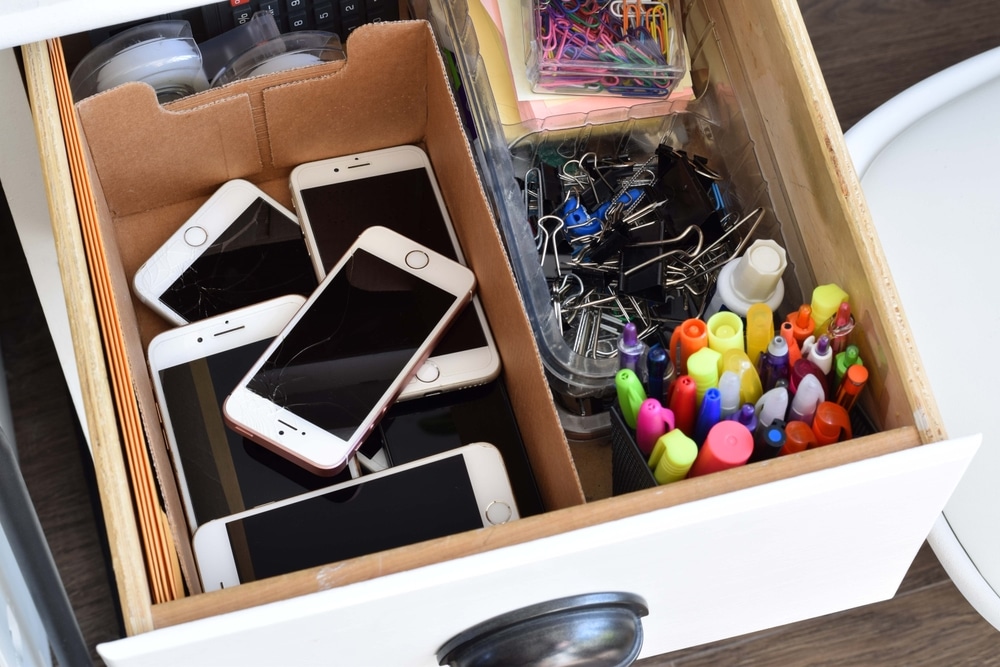
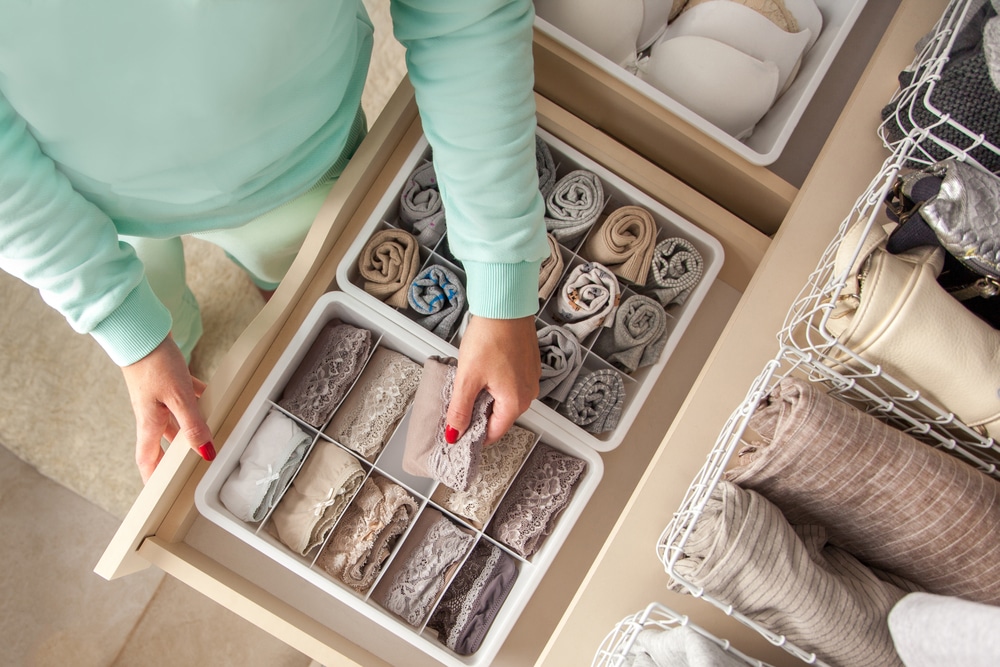
Grouping similar items together makes the drawer much easier to use. Place batteries with batteries, writing supplies together, and small hardware in another section. Loose change, paper clips, scissors, and sticky notes should each have their own area whenever possible. This simple form of junk drawer organization reduces the time spent digging through random objects. Instead of relying on memory, your brain quickly learns where each category belongs. Even inexpensive plastic trays or reused food containers can separate items effectively without adding unnecessary expense to the project.
Choose Containers That Fit the Drawer
The best organizers are not always the most expensive ones. Before shopping, measure the drawer carefully and think about the categories you created. Adjustable dividers work well because they can change as your needs evolve. Small containers from around the house often work just as well as products marketed specifically for storage. The important part is that everything has a designated place. When containers fit snugly without sliding around, the system stays intact longer and encourages everyone in the household to return items where they belong after using them.
Limit What Is Allowed Inside
One reason drawers become chaotic is that there are no rules about what belongs there. Decide on a few categories that deserve space and stick with them. Everyday essentials such as tape, scissors, spare batteries, and pens make sense. Larger tools, unopened mail, or random souvenirs usually belong somewhere else. Creating these boundaries strengthens junk drawer organization because new clutter is stopped before it settles. Whenever you pick up an item, ask whether it truly belongs in the drawer or whether another storage location would make more sense.
Make Frequently Used Items Easy to Reach
Think about which objects you use most often during a typical week. Those items deserve the most accessible spots near the front of the drawer. Less common objects can sit toward the back without causing inconvenience. This small adjustment saves time every day because you are not moving several items just to grab a pen or replace a battery. A thoughtful layout also reduces the temptation to toss things randomly into empty spaces. Convenience is one of the strongest reasons that good organizing systems continue working over the long term.
Create a Five Minute Reset Routine
The biggest mistake is assuming organization is something you do only once. Every storage area requires occasional maintenance, even when the system is excellent. Set aside about five minutes once each month to remove trash, return misplaced items, and straighten the containers. This quick habit keeps junk drawer organization from slowly falling apart. Because the drawer never becomes overwhelmingly messy, each reset remains simple. Small, consistent efforts are usually more effective than waiting until the clutter becomes so frustrating that it requires an entire afternoon to fix.
Avoid Saving Things Just in Case
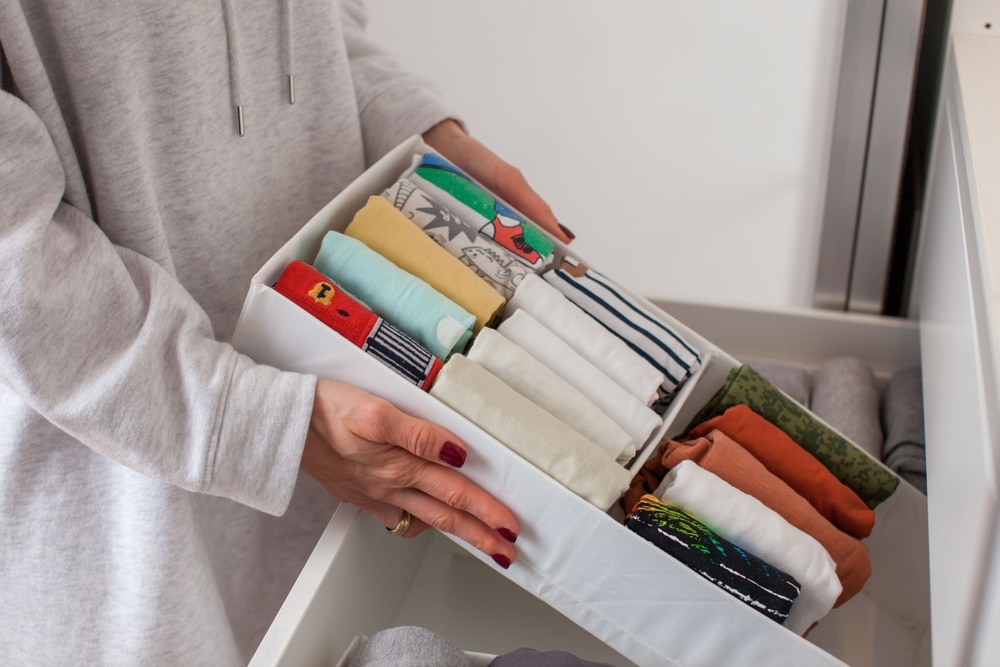
Many drawers become crowded because people hold onto items they might someday need. Extra instruction manuals, mystery cables, duplicate keys without labels, and outdated gift cards often occupy valuable space for years. Ask yourself when you last used each object and whether replacing it would actually be difficult if necessary. Letting go of unnecessary items creates room for the things you genuinely reach for. Being selective is often more valuable than buying additional organizers because fewer possessions naturally require less effort to manage every day.
Adapt the Drawer as Your Needs Change
Life changes, and storage systems should change with it. Families with young children may need space for crayons or spare chargers, while someone working from home might prefer sticky notes and USB drives. Review the drawer every few months to see whether its contents still match your daily routine. Adjusting the layout keeps the space practical instead of forcing outdated categories to remain. Flexibility is one of the reasons organized spaces continue serving households effectively instead of gradually becoming cluttered once again.
Keep the Whole Household Involved
Even the best system will struggle if only one person follows it. Show family members where different categories belong and encourage everyone to return items after using them. Labels can help if several people regularly access the drawer. The rules do not need to be complicated. When everyone understands the basic layout, junk drawer organization becomes a shared habit rather than a personal chore. Consistency from multiple people prevents one weekend of cleaning from being undone after only a few busy days.
Small Improvements Make the Biggest Difference
Many people delay organizing because they imagine a complicated project involving expensive products and hours of work. In reality, the most successful systems are often the simplest. Removing unnecessary items, grouping similar objects, and giving everything a clear home delivers noticeable results almost immediately. Once those habits become routine, the drawer remains useful without demanding much attention. The goal is not perfection but easy access to the things you need most often. A practical approach always outlasts a system that feels difficult to maintain.
A tidy drawer may seem like a small achievement, but it can have a surprisingly positive effect on everyday life. Instead of wasting time searching for batteries or untangling random objects, everything is ready when you need it. That small sense of order often spreads to other parts of the home as well. The best part is that success comes from simple habits rather than complicated storage tricks. By following these practical ideas for junk drawer organization, you can enjoy a drawer that stays functional, organized, and easy to maintain throughout the year instead of becoming another forgotten clutter trap.
Do you want more amazing tips to reorganize your home? Then visit our home organization page right here