
Finding the right spot for houseplants can be tricky, especially in smaller homes or apartments where floor space disappears quickly. Corners often go unused, yet they can become the perfect place for greenery with a little creativity and planning. A DIY plant shelf gives you the freedom to customize size, shape, color, and storage while making your living space feel more natural and inviting. Instead of buying expensive furniture that may not fit properly, building your own shelf allows you to work with the exact dimensions of your room. The project is approachable for beginners and satisfying for experienced makers who enjoy practical home upgrades.
Why Corners Work So Well for Plants
Corners are usually overlooked areas that end up collecting clutter or remaining empty. Turning that unused space into a plant display instantly changes the atmosphere of a room without requiring a major renovation. A DIY plant shelf can transform a dark, awkward corner into a vibrant feature that adds height, texture, and personality to the space.
Plants naturally soften sharp room lines, and vertical shelving helps draw the eye upward, making ceilings appear taller. This is especially useful in apartments or compact homes where every square meter matters. Corner shelves also allow sunlight from nearby windows to reach several plants at once. Instead of scattering pots throughout the house, grouping them together creates a cleaner and more organized appearance that still feels lively and welcoming.
Choosing the Right Materials
Before starting your project, think carefully about the materials you want to use. Wood remains one of the most popular options because it is durable, easy to cut, and suits many interior styles. Pine is affordable and beginner friendly, while oak provides a more premium finish. If you want an industrial appearance, metal brackets combined with reclaimed wood can create a modern look.
A DIY plant shelf should also be able to handle moisture from watering and humidity. Applying a protective sealant helps prevent warping or stains over time. Some people prefer bamboo because it resists moisture naturally and gives a lighter, airy feel to indoor spaces. Recycled materials are another smart choice for environmentally conscious homeowners who want a more sustainable project while adding character to the final design.
Measuring Your Corner Correctly
One of the biggest mistakes people make is building shelves before taking detailed measurements. Every corner has unique dimensions, and even small differences can affect how stable or balanced the shelf feels once installed. Measure both wall lengths, ceiling height, and the distance from nearby furniture before buying materials.
When planning a DIY plant shelf, sketching the design on paper helps you visualize spacing between levels. Plants continue growing after placement, so shelves should allow enough vertical room for leaves and stems to expand comfortably. Hanging plants may need extra space to trail downward naturally. It is also smart to think about how you will water the plants later. Shelves packed too tightly together often become difficult to maintain and clean over time.
Picking a Style That Matches Your Home
Your shelf should complement the room instead of looking disconnected from the rest of the décor. Minimalist interiors often work well with floating shelves in neutral colors, while rustic homes may benefit from distressed wood and black metal hardware. Bohemian spaces can handle asymmetrical layouts filled with trailing vines and textured pots.
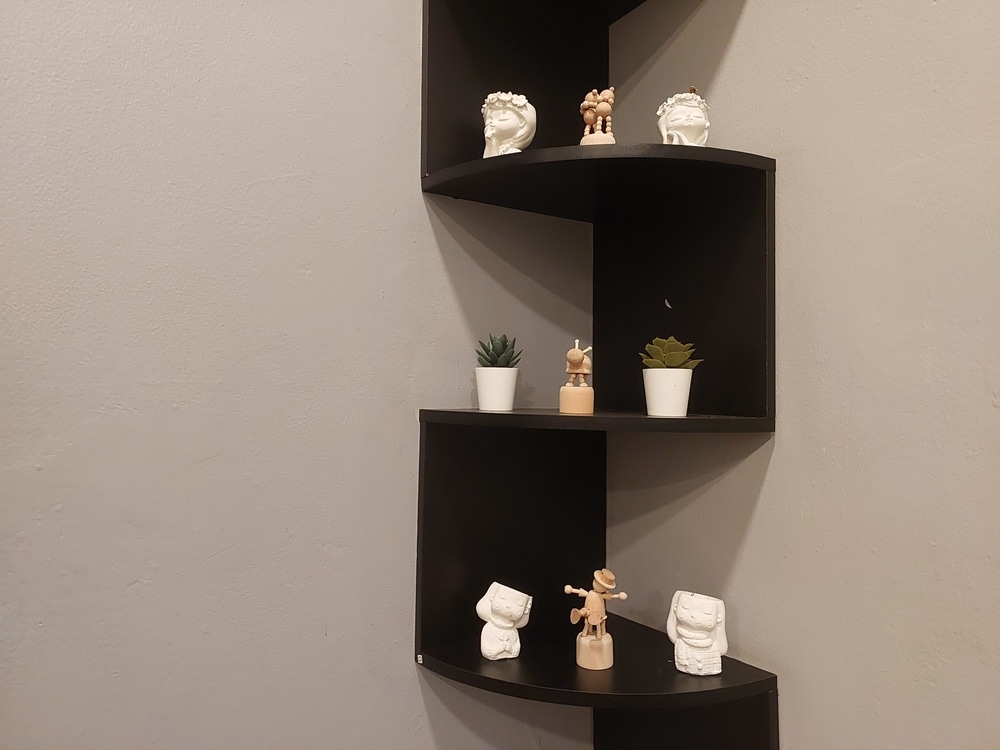
Some homeowners build a DIY plant shelf with geometric lines for a modern aesthetic, while others prefer curved edges that create a softer look. Color also matters more than many people expect. Dark wood can make greenery stand out dramatically, while white shelves produce a clean and fresh atmosphere. Choosing matching plant pots and accessories helps tie everything together and makes the corner feel intentionally designed rather than randomly assembled.
Tools You Will Probably Need
Most shelf projects require only a few common tools, which makes the process manageable even for beginners. A measuring tape, drill, screws, level, and saw are usually enough for a simple build. Sandpaper helps smooth rough wood edges, and a paintbrush or roller is useful if you plan to stain or paint the structure.
A DIY plant shelf does not need expensive professional equipment to look polished. Many hardware stores even cut wood pieces to size before purchase, reducing the amount of work needed at home. Safety should remain a priority throughout the project. Wearing protective glasses and gloves can prevent injuries while cutting or drilling. Taking time to work carefully usually leads to cleaner results and a shelf that lasts much longer.
DIY plant shelf Designs for Small Spaces
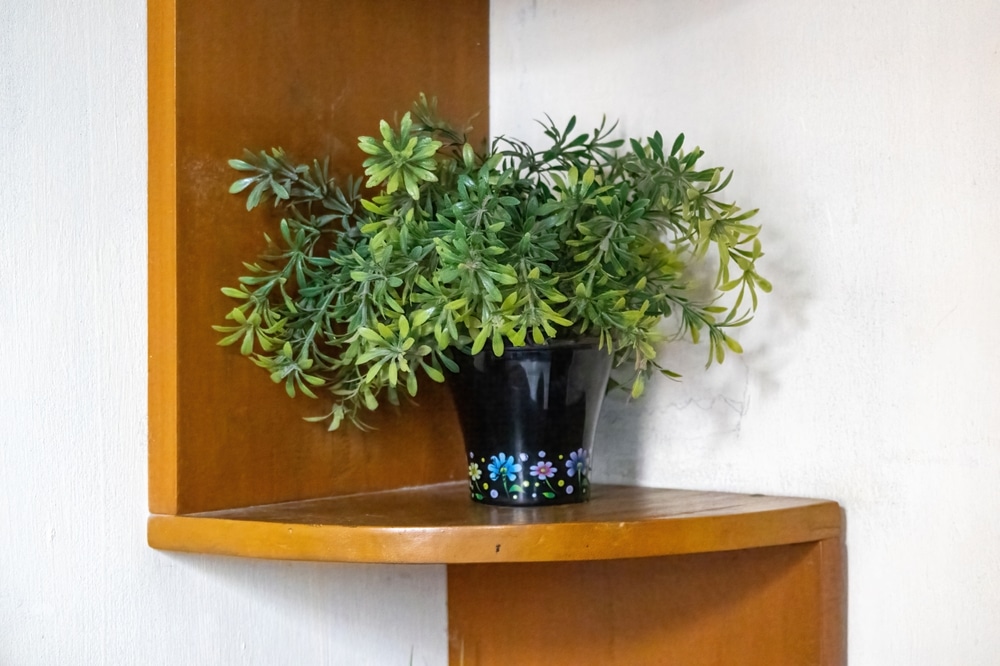
Small homes require smart storage solutions, and corner shelving is one of the easiest ways to maximize limited room. Triangular shelves fit tightly into corners without blocking walkways, making them ideal for studio apartments or narrow rooms. Ladder style shelves that lean against the wall are another practical option because they create multiple levels without appearing bulky.
A DIY plant shelf designed for compact spaces should focus on vertical storage rather than width. Tall shelving units allow you to display several plants while preserving open floor space. Foldable or modular designs can also work well for renters who may need to move frequently. Using lightweight materials makes installation easier and reduces stress on walls, especially in older buildings where heavy shelving might not be suitable.
Selecting the Best Plants for Your Shelf
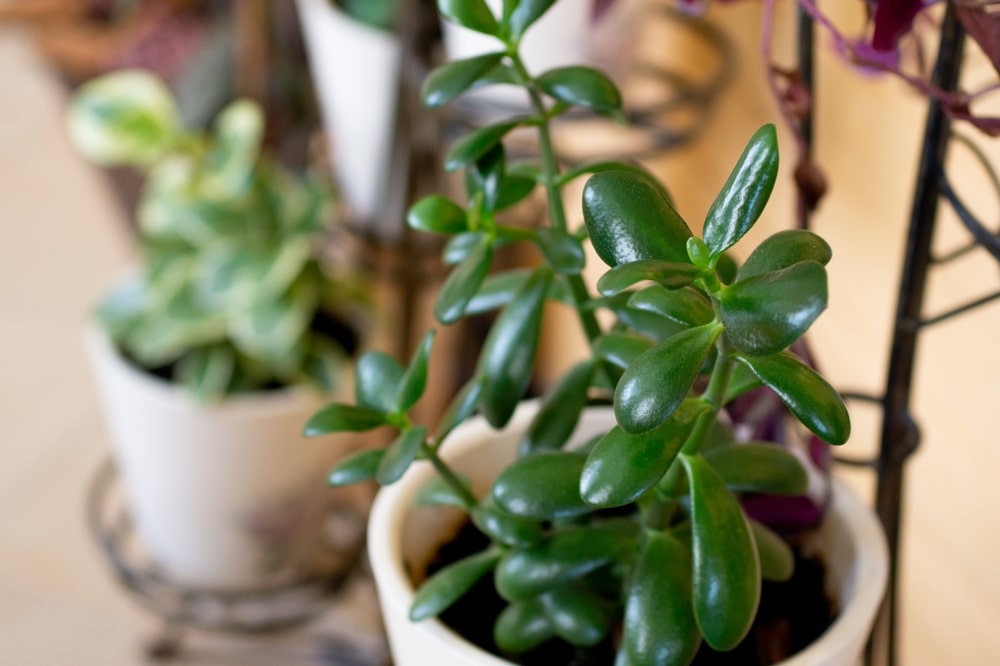
Not every plant thrives in the same conditions, so choosing the right varieties matters. Observe how much natural light reaches your chosen corner throughout the day before buying anything. Snake plants, pothos, and ZZ plants tolerate lower light conditions and are excellent for beginners. If your corner receives strong sunlight, succulents and cacti may perform better.
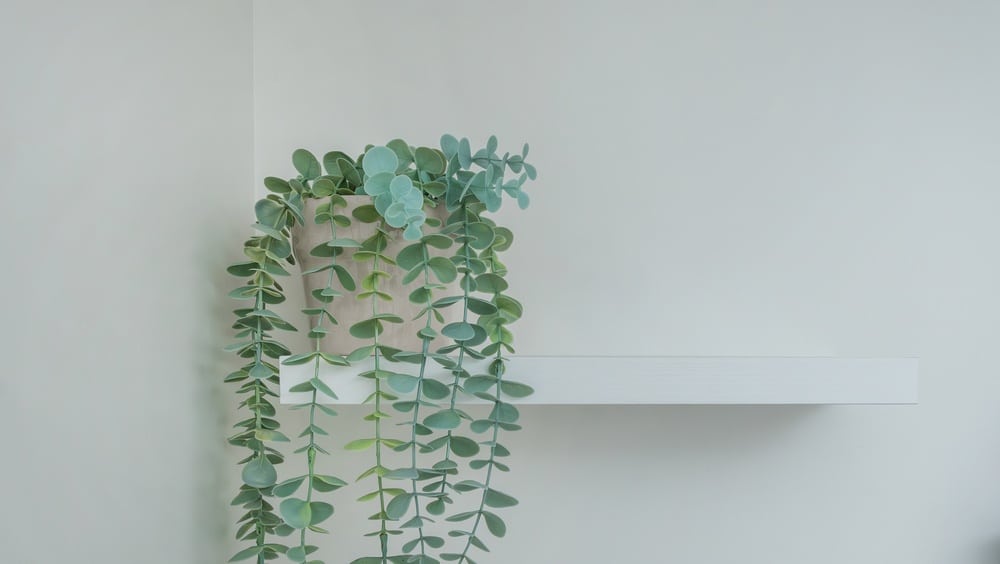
A DIY plant shelf becomes more visually appealing when different plant shapes and heights are combined thoughtfully. Mixing trailing vines with upright plants creates movement and contrast. Texture also adds interest, especially when broad leaves sit beside delicate foliage. Avoid overcrowding the shelves immediately after installation. Leaving some open space keeps the display balanced and allows each plant to stand out naturally within the arrangement.
Making the Shelf Strong and Stable
Plant shelves may appear lightweight, but pots filled with wet soil can become surprisingly heavy. Stability should therefore remain a top concern during construction. Wall anchors and sturdy brackets help distribute weight evenly and reduce the chance of sagging or collapse over time.
When building a DIY plant shelf, always check that the shelf sits level before placing any plants on it. Uneven surfaces can cause pots to slide or water to collect unevenly after watering. Thicker boards generally provide better support for larger plants, while thinner shelves work best for lightweight decorative pots. Testing the structure gradually instead of loading everything at once gives you a chance to identify weak points before they become serious problems.
Decorating Around the Shelf
Once the shelf is complete, the surrounding area can help enhance the overall effect. Lighting plays a major role in how your plant corner feels during the evening hours. Warm lamps or subtle LED strips create a cozy atmosphere and highlight the greenery beautifully after sunset.
A DIY plant shelf often looks even better when paired with complementary décor such as framed art, woven baskets, or small ceramic decorations. Mirrors nearby can reflect light and make the plant display appear larger than it actually is. Rugs and textured fabrics also help soften the area and create a comfortable reading or relaxation corner. The goal is not simply to store plants but to turn the corner into a visually pleasing part of the room that feels intentional and lived in.
Maintaining Your Plant Corner Over Time
Building the shelf is only the beginning. Regular maintenance keeps both the plants and the structure looking fresh and healthy. Dust tends to gather on leaves and shelves quickly, especially indoors, so wiping surfaces weekly helps preserve the appearance of the display.
A DIY plant shelf should also be checked occasionally for water damage or loose screws. Rotating plants every few weeks encourages even growth because each side receives similar light exposure. Dead leaves should be removed promptly to prevent pests or mold from spreading. As your collection grows, you may discover that certain plants outgrow the available space. Rearranging the layout once in a while keeps the corner feeling dynamic and prevents it from becoming overcrowded.
Creating a personalized plant corner is one of the most rewarding ways to improve a living space without spending a fortune. A DIY plant shelf combines creativity, practicality, and natural beauty in a project that works for nearly any home style. Whether you prefer a sleek modern look or a cozy rustic design, the ability to customize every detail makes the process enjoyable from start to finish. The finished shelf becomes more than simple storage because it reflects your personality and care for your environment. With thoughtful planning, sturdy materials, and the right plants, even the smallest corner can become a calming indoor retreat filled with life and color.
Do you want more amazing tips for DIY Projects in your home? Then visit our DIY Projects page right here