

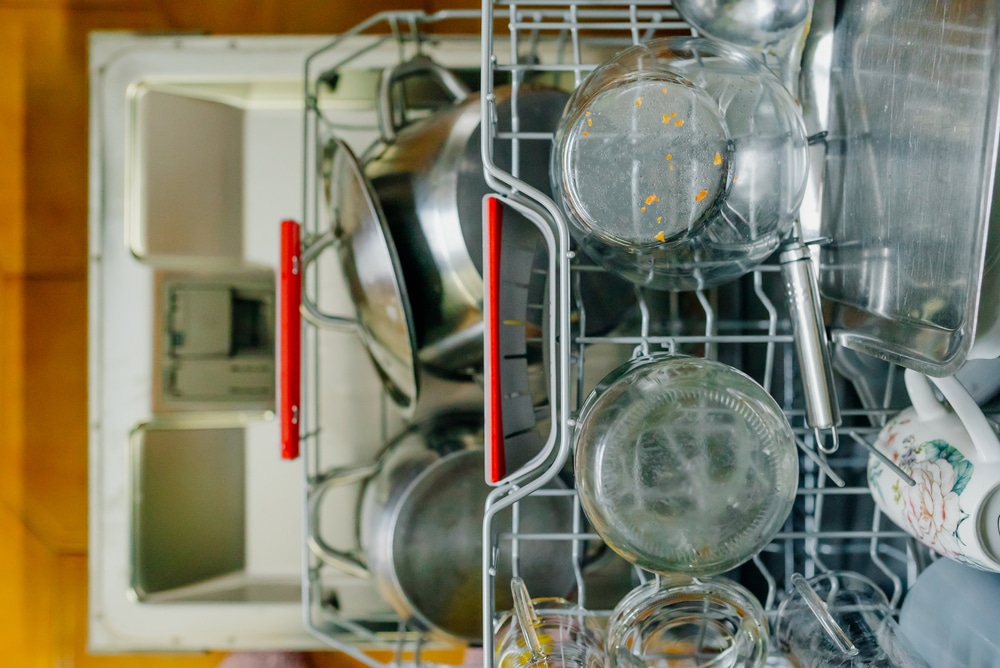
Most people expect a dishwasher to leave the kitchen smelling fresh, not like a damp basement mixed with old leftovers. Yet over time, trapped grease, food scraps, soap buildup, and standing water can turn the appliance into one of the smelliest spots in the house. The good news is that bad odors usually have a simple explanation and an even simpler solution. In many homes, the biggest mistake is ignoring regular maintenance until the smell becomes impossible to ignore. Thankfully, cleaning your dishwasher can quickly remove the source of those unpleasant odors while also helping the appliance work more efficiently and last longer over the years.
Why Dishwashers Start Smelling in the First Place
A dishwasher deals with food waste every single day, even if most people never think about it. Tiny particles of pasta, rice, grease, sauce, and dairy products often slip past the filter and settle in hidden corners. Warm temperatures and moisture create the perfect environment for bacteria and mold to grow. Over time, those hidden leftovers begin producing a sour or rotten smell that spreads every time the door opens.
Many people assume dish soap automatically keeps the machine spotless, but detergent mainly focuses on cleaning dishes, not the inside of the appliance itself. That is why cleaning your dishwasher should be treated like any other kitchen chore. Ignoring the interior for months allows buildup to harden, making odors stronger and much harder to remove.
The Filter Is Usually the Biggest Culprit
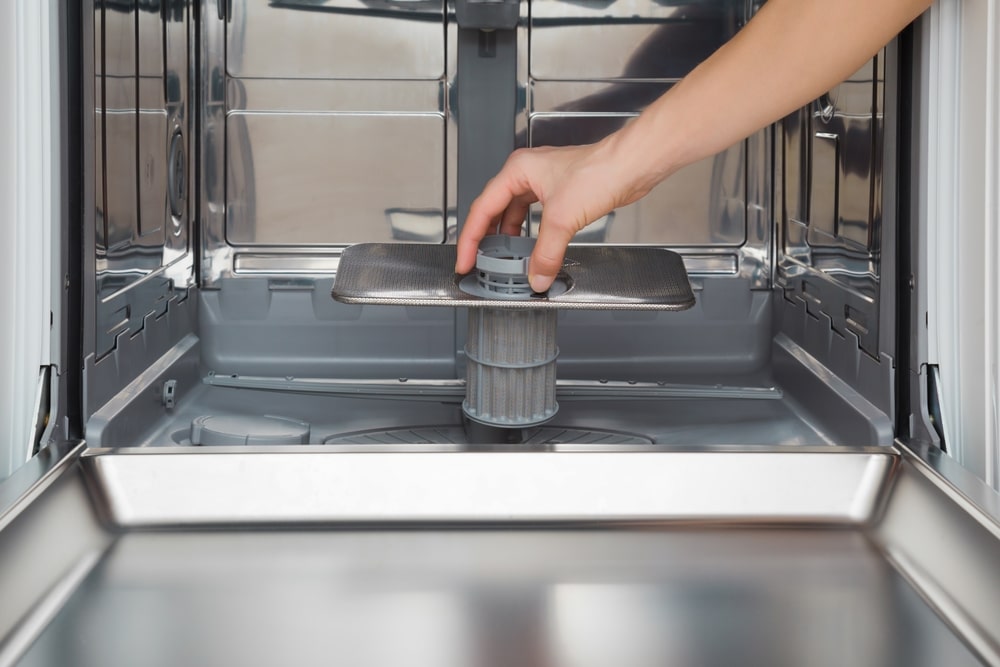
One of the most common reasons for foul dishwasher smells is a dirty filter. Most modern dishwashers include a removable filter near the bottom of the tub. Its job is to catch food particles before they clog the drain. Unfortunately, that also means it becomes a collection point for grease and decomposing scraps.
If the filter has not been cleaned in weeks or months, the odor can become overwhelming. Pulling it out and rinsing it under warm water often reveals layers of slimy debris hiding beneath the surface. In many cases, cleaning your dishwasher starts with this one simple step. A soft brush and mild soap are usually enough to remove buildup without damaging the filter material.

Standing Water Creates Hidden Odors
A dishwasher should fully drain after every cycle. If water remains pooled at the bottom, bacteria quickly begin multiplying. Even a small amount of stagnant water can create a musty smell that spreads through the kitchen.
Drain problems are often linked to clogged hoses, blocked filters, or garbage disposal connections. Sometimes the issue is as simple as a kinked drain line behind the machine. Homeowners often overlook these hidden plumbing problems because the dishwasher still appears to function normally. However, cleaning your dishwasher becomes much less effective if dirty water remains trapped inside after each wash cycle.
Checking for standing water once a week can help catch small drainage issues before they become major repairs.
Grease Buildup Is Harder to Notice
Unlike visible food scraps, grease buildup develops slowly and quietly. Oils from cooking pans and plates coat the interior walls over time, especially around the door gasket and spray arms. Because the layer forms gradually, many people do not notice it until odors become severe.
Grease traps odors surprisingly well. It also attracts more food debris, creating a sticky film that detergent alone cannot remove. Wiping the interior with warm water and vinegar can help dissolve oily residue before it hardens. Experts often recommend cleaning your dishwasher monthly because grease buildup becomes much more difficult to remove after long periods of neglect.
A clean interior also improves washing performance, allowing water to circulate more effectively during cycles.

Mold Loves Dark and Damp Spaces
Dishwashers provide ideal conditions for mold growth. The appliance stays warm, dark, and humid for long stretches, especially when the door remains closed all day. Rubber seals around the door are particularly vulnerable because moisture tends to collect there after every cycle.
Mold often appears as black, green, or pink spots near the gasket or lower corners of the machine. Besides producing unpleasant smells, mold can eventually damage rubber parts if left untreated. This is another reason cleaning your dishwasher regularly matters more than many homeowners realize.
Leaving the dishwasher door slightly open after a cycle allows moisture to escape and helps prevent mold growth naturally. Good airflow makes a major difference.
Hard Water Can Make Smells Worse
In areas with hard water, mineral deposits can combine with soap residue and food particles to create stubborn grime. These chalky deposits often collect around spray arms, heating elements, and the interior walls of the machine.
Hard water buildup can also trap odors, making the appliance smell dirty even after running a cycle. Vinegar is commonly used to break down mineral deposits because its acidity helps dissolve calcium and lime accumulation safely. Many people notice a dramatic improvement after cleaning your dishwasher with vinegar once or twice a month.
Installing a water softener may also help reduce future buildup in homes with especially hard water conditions.
The Spray Arms Need Attention Too
Spray arms are responsible for distributing water throughout the dishwasher during each cycle. Tiny holes along the arms can become blocked with food particles or mineral buildup, reducing water pressure and cleaning performance.
When spray arms cannot function properly, leftover debris remains inside the appliance longer than it should. This trapped residue often contributes to unpleasant odors. Removing the spray arms and rinsing them thoroughly under warm water can restore proper water flow.
Toothpicks or small brushes are useful for clearing clogged holes carefully. While many people focus only on detergent, cleaning your dishwasher thoroughly means checking every part involved in water circulation and drainage.
Detergent Misuse Can Also Cause Problems
Using too much detergent may sound harmless, but excessive soap can leave residue behind after each cycle. Over time, that residue combines with grease and food waste, creating a sticky layer inside the machine.
Low quality detergent can create similar issues, especially if it does not dissolve properly in cooler water temperatures. Some eco friendly products leave more residue than traditional formulas, depending on water hardness and wash settings.
Finding the right detergent balance matters more than people realize. In many households, cleaning your dishwasher becomes much easier once excess soap residue stops accumulating every week. Reading the dishwasher manufacturer’s recommendations can prevent unnecessary buildup and improve overall performance.
Natural Cleaning Methods That Actually Work
Many homeowners prefer natural solutions over harsh chemical cleaners, and fortunately several household staples work surprisingly well. White vinegar is one of the most effective options because it helps dissolve grease, mineral buildup, and odor causing residue.
Placing a bowl of vinegar on the top rack and running a hot cycle can freshen the machine significantly. Baking soda is another useful option for deodorizing the interior naturally. Sprinkling a small amount along the bottom before a short hot cycle often helps eliminate lingering smells.
These methods are inexpensive, simple, and widely recommended for cleaning your dishwasher safely without damaging sensitive interior components or leaving strong chemical odors behind afterward.

Preventing Future Dishwasher Odors
Once the smell disappears, prevention becomes much easier than deep cleaning. Scraping large food scraps off plates before loading them can dramatically reduce debris accumulation inside the filter and drain system.
Running hot water in the sink before starting the dishwasher also helps the appliance begin with hotter water immediately. Hotter water breaks down grease more effectively during the cycle. Many appliance experts also suggest cleaning your dishwasher every month instead of waiting for odors to develop.
Simple habits like wiping the door gasket, checking the filter weekly, and leaving the door cracked open after cycles can prevent most smell problems from returning anytime soon.
When the Smell Means Something More Serious
Sometimes odors continue even after thorough cleaning. Persistent smells may indicate mechanical or plumbing issues that require professional attention. Drain line blockages, failing pumps, or sewer gas leaks can all produce unpleasant odors that seem similar to normal dishwasher smells.
If the appliance smells strongly like sewage, the issue may involve improper plumbing venting or a damaged drain connection. In those situations, repeated cleaning your dishwasher will not fully solve the problem because the odor source lies deeper within the plumbing system.
Calling an appliance technician or plumber may prevent more serious water damage or drainage problems later on.
Why Regular Maintenance Saves Money
Many people view dishwasher maintenance as optional until something goes wrong. However, routine care can actually extend the appliance’s lifespan and reduce expensive repair costs over time. Food debris, grease, and mineral buildup force the machine to work harder during every cycle.
When parts become clogged or strained, motors and pumps wear out faster. Preventive maintenance helps avoid unnecessary breakdowns while keeping energy efficiency higher. Experts often point out that cleaning your dishwasher regularly may improve washing performance enough to reduce repeat wash cycles, saving both electricity and water in the long run.
A little monthly attention can make a surprisingly large financial difference over several years.
Dishwasher smells are frustrating, but they are rarely mysterious once you understand what causes them. Most odors come from trapped food, standing water, grease, mold, or mineral buildup hiding in places people rarely inspect. The encouraging part is that these problems are usually easy to fix with a little consistency and attention. Taking a few minutes each month to inspect the filter, wipe down seals, and run a hot cleaning cycle can completely change how the appliance smells and performs. More importantly, cleaning your dishwasher regularly keeps dishes cleaner, reduces wear on important components, and helps the entire kitchen feel fresher every single day.
Do you want more amazing tips to clean your home? Then visit our Cleaning & Maintenance page right here