

Dust has a sneaky way of settling into every corner of your home. One day your shelves look spotless, and the next they are covered in a thin gray layer. If you have allergies, pets, or live in a dry climate, the problem can feel even worse. The good news is that you do not have to accept dusty surfaces as a fact of life. With the right habits and a little consistency, you can reduce dust and create a cleaner, healthier living space for you and your family. It all starts with understanding where dust comes from and how to control it.
Simple Habits That Help Reduce Dust Every Day
If you want to keep your home consistently clean, daily habits matter more than occasional deep cleaning. Small steps to reduce dust in your home can make a big difference over time. For example, wiping down high traffic surfaces with a damp microfiber cloth takes only a few minutes but prevents particles from building up.
The first rule to reduce dust is consistency. Instead of waiting until you can see dust collecting, get into the habit of light cleaning several times a week. Dust is made up of tiny particles such as dead skin cells, fabric fibers, pollen, and dirt tracked in from outside. Because it is constantly being created, regular attention is key.
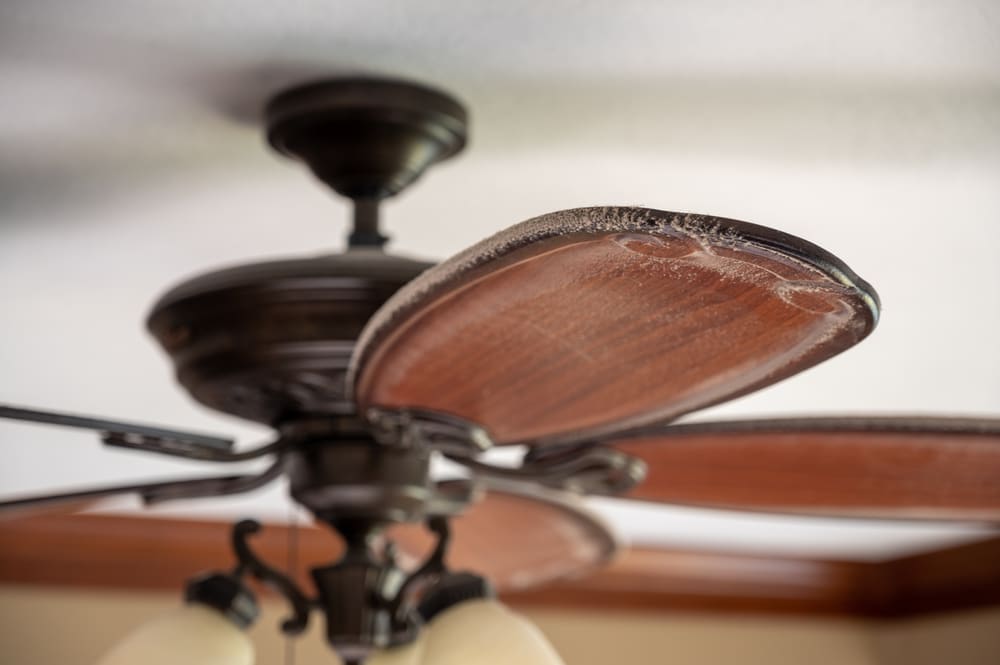
Another smart way to reduce dust is to start cleaning from top to bottom. Always dust ceiling fans, shelves, and higher surfaces before vacuuming the floor. This ensures that fallen particles are picked up at the end instead of settling again.
Using the right tools can significantly reduce dust levels. Microfiber cloths are especially effective because they trap particles instead of pushing them around. Dry rags and feather dusters often just move dust into the air, where it eventually lands somewhere else.

Smarter Cleaning Techniques for Long Term Results
While quick daily habits help, deeper cleaning techniques also play an important role. Vacuuming carpets and rugs at least once or twice a week is essential, especially if you have pets. Carpets act like filters, trapping dust until they are disturbed.
Make sure your vacuum cleaner has a high efficiency particulate air filter. These filters are designed to trap very small particles and prevent them from being released back into the air. Without proper filtration, vacuuming can actually stir up fine debris instead of removing it.
Do not forget soft furniture. Couches and armchairs collect a surprising amount of debris. Use your vacuum’s upholstery attachment to clean cushions, seams, and under the seats. Washing removable cushion covers regularly also helps maintain a fresher environment.
Hard floors should be mopped with a damp mop rather than swept with a dry broom. Sweeping often sends particles into the air. A slightly damp mop captures debris more effectively and leaves surfaces truly clean.
Improving Air Quality to Keep Dust Under Control
Air circulation has a major impact on how much dust settles in your home. Improving airflow can reduce dust throughout the house. When air moves properly through clean filters, fewer particles linger in the air.
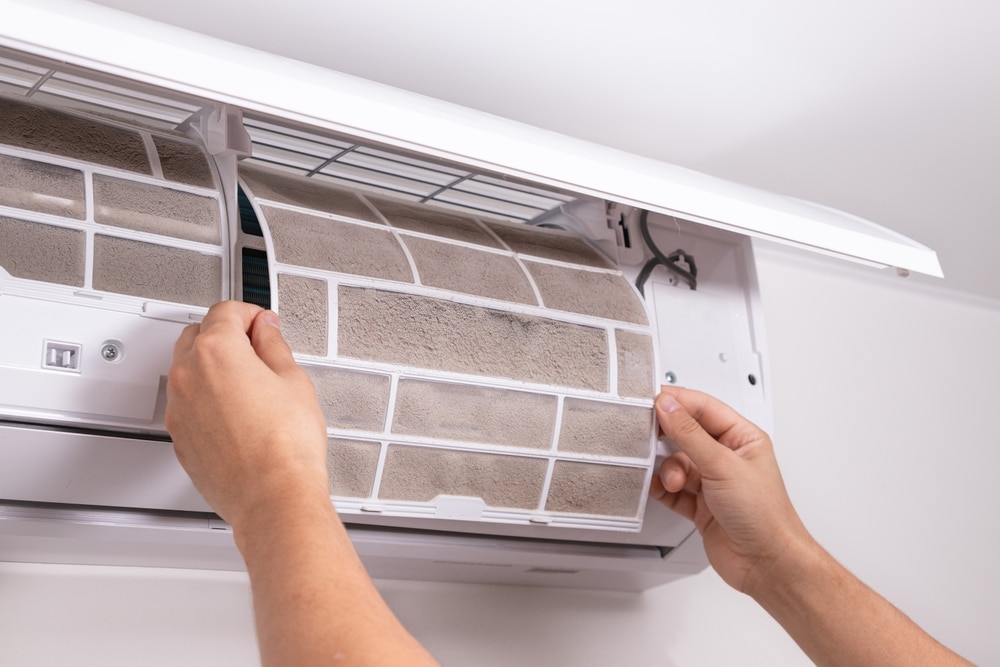
Your heating and cooling system should be fitted with quality filters. High efficiency filters are designed to reduce dust and other airborne particles. Check them monthly and replace them according to the manufacturer’s recommendations. A clogged filter cannot do its job properly.
Keeping humidity balanced can also reduce dust accumulation. Extremely dry air allows particles to float more easily. Using a humidifier to maintain indoor humidity between 40 and 50 percent can help particles settle faster, making them easier to clean. However, avoid excessive humidity, as that can encourage mold growth.
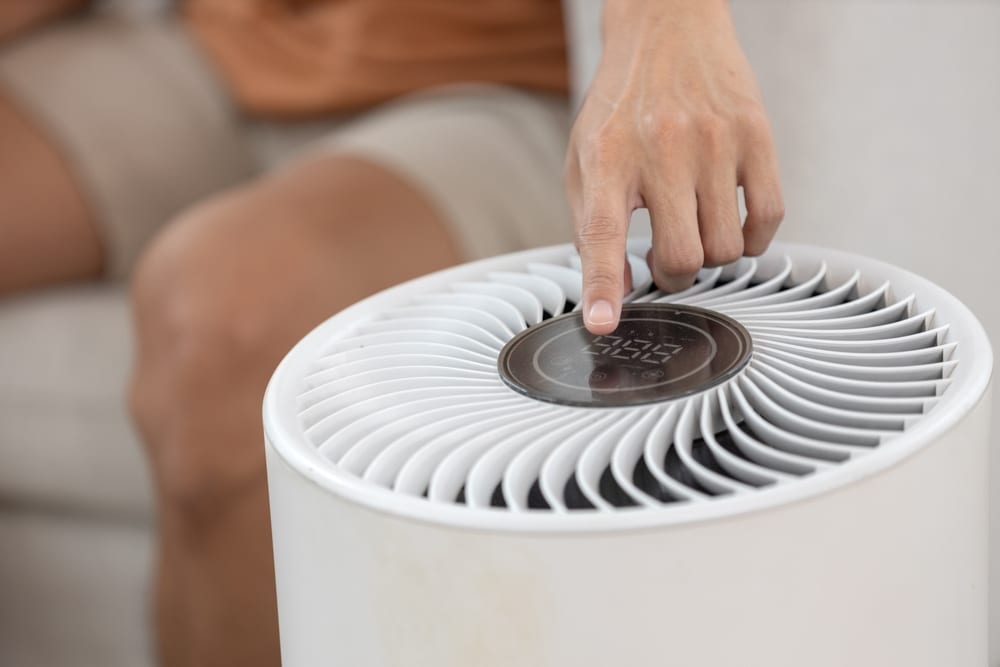
Air purifiers can be helpful in rooms where dust tends to collect, such as bedrooms. Look for models with HEPA filters, which are proven to capture very small particles from the air. Place them in areas where you spend the most time for the best results.
Managing Fabrics and Textiles
Managing fabrics is essential if you want to reduce dust. Curtains, bedding, and clothing fibers constantly shed tiny particles. Washing sheets and pillowcases weekly in warm water removes accumulated debris and keeps bedrooms cleaner.
Choosing easy to wash materials can reduce dust in bedrooms and living rooms. For example, washable curtains are often better than heavy drapes that require professional cleaning. If possible, replace wall to wall carpeting with hard flooring, especially in bedrooms where you spend many hours breathing the same air.
Throw blankets and decorative pillows may look cozy, but they also trap particles. Try to limit the number of unnecessary fabric items in rooms that already feel dusty. Store off season clothing in sealed containers to prevent fibers from spreading into the air.
Closets should not be overlooked. Overcrowded closets create friction between clothes, releasing more fibers. Keeping them organized and not overly packed can help limit the amount of material floating into your living space.
Keeping Entryways Clean and Controlled
A large portion of household dust comes from outside. Dirt, pollen, and tiny debris cling to shoes and clothing before being carried indoors. Creating a no shoes policy is a simple way to reduce dust. Leaving footwear at the door prevents a surprising amount of grime from spreading across floors.
Door mats placed inside and outside help reduce dust before it spreads. Choose sturdy mats that can trap dirt effectively, and clean them regularly. If mats are full of debris, they cannot do their job.
Consider placing a small bench or storage unit near the entrance to encourage family members and guests to remove shoes comfortably. Hooks for jackets and bags also keep outdoor items from being dropped on furniture or beds.
If you have pets, wiping their paws after walks can dramatically cut down on the dirt they bring inside. Pet fur and dander are common components of household dust, so regular grooming is also essential.
Decluttering for a Cleaner Home
Clutter gives dust more places to settle. The more objects you have on display, the more surfaces you need to clean. Decluttering is one of the fastest ways to reduce dust. Fewer items mean fewer hiding spots for particles.
Open shelves filled with books, decorations, and picture frames may look beautiful, but they require frequent attention. If you prefer a low maintenance home, consider storing some items in cabinets with doors.
Paper stacks are especially prone to collecting debris. Sort through mail and magazines regularly, and recycle what you no longer need. Organized storage solutions not only look better but also make cleaning quicker and more effective.
Regular maintenance checks can reduce dust over the long term. Inspect areas behind appliances, under beds, and on top of cabinets every few months. These hidden spaces often accumulate thick layers that slowly spread throughout the home if ignored.
Creating a Realistic Cleaning Schedule
One of the biggest challenges in keeping a home clean is staying consistent. Rather than attempting to clean everything in one day, break tasks into manageable steps. Assign certain jobs to specific days of the week.
For example, you might vacuum on Mondays and Thursdays, wash bedding on Saturdays, and wipe surfaces midweek. Spreading tasks out prevents burnout and keeps your home feeling continuously fresh.
If you live with family members or roommates, share responsibilities. Clear expectations help ensure that everyone contributes to maintaining a healthier space. Even children can help with simple chores like wiping tables or organizing toys.
Technology can also lend a hand. Robotic vacuum cleaners can handle daily floor maintenance, especially in high traffic areas. While they do not replace deep cleaning, they help control buildup between more thorough sessions.
Why Reducing Dust Matters for Your Health
Dust is not just an aesthetic issue. It can affect your health, particularly if you suffer from allergies or asthma. Dust often contains allergens such as pollen, pet dander, and dust mite waste. When inhaled, these particles can irritate airways and trigger symptoms.
Cleaner indoor air supports better sleep and overall comfort. Many people notice fewer allergy flare ups when they maintain a consistent cleaning routine. Even if you do not have diagnosed allergies, breathing cleaner air can still improve how you feel day to day.
Taking steps to manage dust also protects your home itself. Electronics, for example, can overheat if vents become clogged. Regular cleaning extends the life of appliances and keeps them running efficiently.
A Cleaner Home Is Within Reach
Keeping dust under control does not require expensive equipment or endless hours of scrubbing. It is about building smart habits, improving airflow, managing fabrics, and staying organized. When you focus on simple daily actions and combine them with periodic deep cleaning, your home becomes easier to maintain.
Over time, these efforts add up to a noticeable difference. Surfaces stay cleaner longer, the air feels fresher, and you spend less time battling constant buildup. By being proactive and consistent, you create a space that feels welcoming and comfortable every single day. A low dust home is not about perfection. It is about steady, practical steps that make life healthier and more enjoyable.
Do you want more amazing tips to clean your home? Then visit our Cleaning & Maintenance page right here