

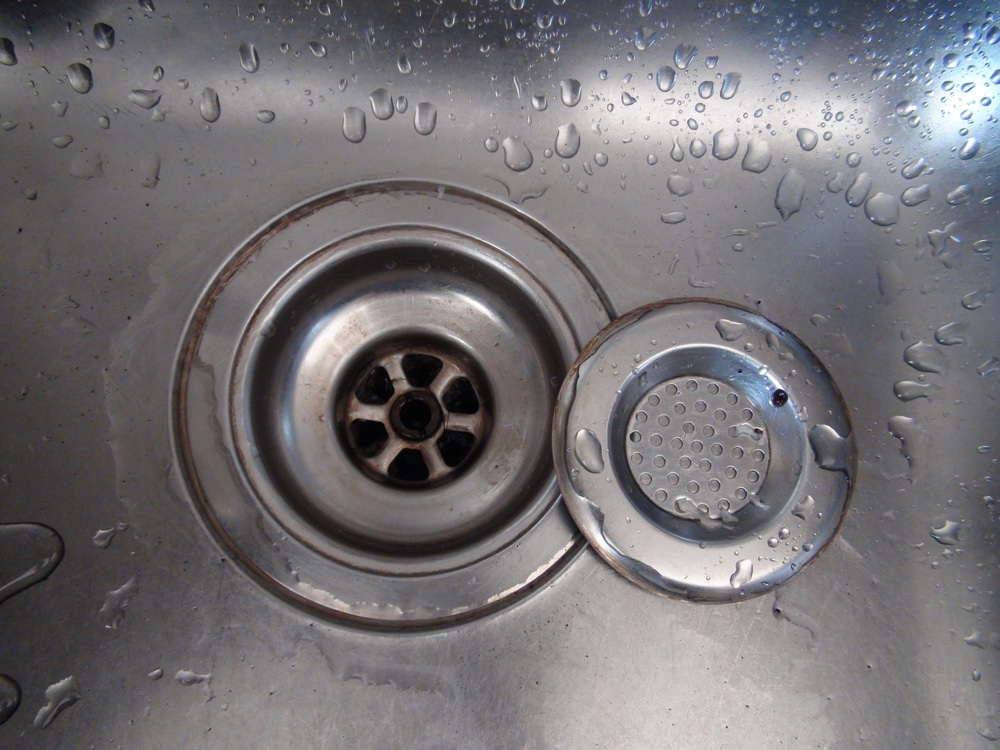
A smelly sink can turn an otherwise clean kitchen into a place you would rather avoid. If you are trying to figure out how to clean your kitchen drain without pouring harsh chemicals down the pipe, you are not alone. Many store bought drain cleaners promise instant results, but they often contain strong ingredients that can irritate your skin, damage pipes over time, and harm the environment. The good news is that most kitchen drain smells have simple causes and even simpler solutions. With a few natural methods and some consistent habits, you can freshen your sink safely and effectively.
Why Your Sink Smells in the First Place
Before you fix the problem, it helps to understand what causes it. In most homes, kitchen drain odors come from trapped food particles, grease buildup, and bacteria growing inside the pipes. When you wash dishes, tiny bits of food and oil slip past the strainer and cling to the inner walls of your plumbing. Over time, this buildup starts to decompose.
If you don’t clean your kitchen drain regularly, that organic matter becomes the perfect breeding ground for odor causing bacteria. The smell can become especially strong in warm weather or after the sink has not been used for a while. Sometimes, the issue may also be linked to a dry P trap, which is the curved section of pipe under your sink that holds water to block sewer gases. When that water evaporates, unpleasant smells can rise up through the drain.
Understanding these causes makes it clear that the solution is not about masking odors. It is about removing the source.
How to clean your kitchen drain Without Harsh Chemicals
Many commercial drain cleaners rely on corrosive substances like sodium hydroxide or sulfuric acid. While these chemicals can break down clogs, they can also weaken certain types of pipes, especially older metal plumbing. They may also pose safety risks if splashed or inhaled.
The good news is you can clean your kitchen drain using simple items you probably already have at home. These methods focus on loosening debris, dissolving grease naturally, and flushing away bacteria without damaging your plumbing.
Before you clean your kitchen drain, start with boiling water. Heat a kettle of water until it reaches a rolling boil, then carefully pour it down the drain in two or three stages. This can help melt and loosen grease that has solidified along the pipe walls. For minor odors, this step alone may significantly reduce the smell.
After you clean your kitchen drain with this method, give it a few minutes and run hot tap water to flush everything through. It is a simple first step that often makes a noticeable difference.
Use Baking Soda and Vinegar the Right Way
One of the most popular natural cleaning combinations is baking soda and vinegar. There is a reason this method has stood the test of time. Baking soda is mildly abrasive and helps scrub away residue, while vinegar is acidic and can break down mineral deposits and kill some odor causing bacteria.
This classic combo can help clean your kitchen drain safely when used correctly. Start by pouring about half a cup of baking soda directly into the drain. Follow it with one cup of white vinegar. You will notice fizzing as the two ingredients react. That reaction helps loosen debris stuck to the sides of the pipe.
When you clean your kitchen drain with baking soda and vinegar, it is important to let the mixture sit for at least 15 minutes. For stronger odors, you can leave it for up to an hour. Afterward, flush the drain with hot water to wash away the loosened material. This method is especially effective for mild to moderate smells caused by organic buildup.
Check the P Trap for Hidden Gunk
If smells remain after you clean your kitchen drain, the issue might be deeper than surface buildup. The P trap under your sink is designed to hold a small amount of water to block sewer gases. However, it can also collect grease, food scraps, and other debris.
Place a bucket under the sink, then carefully unscrew the P trap. Be prepared for some water and possibly unpleasant sludge to come out. Once removed, rinse the trap thoroughly with warm soapy water. You can use an old bottle brush to scrub the inside.
Once you clean your kitchen drain and the trap together, you eliminate one of the most common hiding spots for odor causing buildup. Reattach the trap securely and run water to make sure there are no leaks. This extra step can make a dramatic difference if the smell has been lingering for weeks.

Natural Enzyme Cleaners That Actually Work
If you prefer a ready made solution but still want to avoid harsh chemicals, look for enzyme based drain cleaners. These products use natural bacteria and enzymes to break down organic material in your pipes. Unlike corrosive cleaners, they do not generate heat or rely on aggressive chemical reactions.
An enzyme based product can clean your kitchen drain by breaking down food particles, grease, and other organic waste over time. They are especially useful for maintenance and preventing future odors. However, they are not an instant fix for severe clogs.
Use these products after youclean your kitchen drain with basic methods like boiling water or baking soda and vinegar. Follow the instructions on the label carefully, as most enzyme cleaners work best when left in the drain overnight. With regular use, they can help keep your pipes clear and odor free.
Daily Habits to Prevent Odors
Prevention is always easier than dealing with a strong smell later. The easiest way to avoid smells is to clean your kitchen drain consistently. Small daily habits can make a big impact over time.
First, use a sink strainer to catch food scraps before they go down the drain. Empty it into the trash or compost bin regularly. Avoid pouring cooking grease or oil into the sink, as these substances solidify and stick to pipe walls. Instead, collect cooled grease in a container and throw it away.
Even if you clean your kitchen drain once a week with hot water, you reduce the chance of buildup forming in the first place. Running hot water for a minute after each dishwashing session can also help move grease and soap residue further down the system, preventing it from settling near the top of the pipes.
Another helpful habit is grinding small pieces of citrus peel in the garbage disposal, if you have one. While this does not replace proper cleaning, it can provide a fresh scent and help dislodge minor residue. Just be sure to use small pieces and plenty of water.
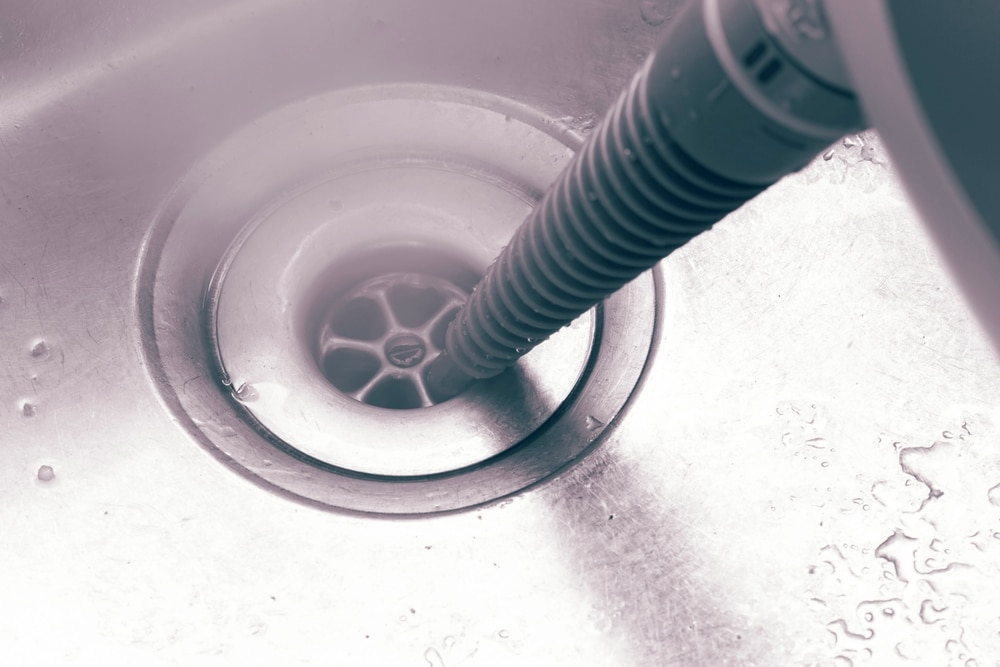
When to Consider a Deeper Plumbing Issue
Sometimes, persistent odors signal a bigger problem. If you have tried to clean thoroughly and the smell keeps returning quickly, there may be a partial blockage deeper in the plumbing system. In rare cases, damaged vent pipes or sewer line issues can also cause recurring smells.
Pay attention to other signs such as slow draining water, gurgling sounds, or water backing up into the sink. These symptoms may indicate a clog that requires a plumber’s tools and expertise. While natural methods are excellent for maintenance, they cannot fix structural problems or severe blockages far down the line.
Knowing when to call a professional can save you time and prevent further damage. It is better to address a potential plumbing issue early than to deal with a major repair later.
A Fresh Sink Without the Chemical Smell
Keeping your sink odor free does not require harsh products or complicated steps. Most kitchen drain smells come from everyday food waste and grease buildup that can be managed with simple, natural solutions. Boiling water, baking soda, vinegar, and occasional P trap cleaning go a long way toward maintaining a healthy plumbing system.
Make it a habit to clean your kitchen drain as part of your regular kitchen routine, and you will likely notice fewer odors and fewer clogs. By understanding what causes the smell and addressing it at the source, you create a cleaner, fresher kitchen environment. A little preventive care today can spare you from unpleasant surprises tomorrow, all without exposing your home to aggressive chemicals.
Do you want more amazing tips to clean your home? Then visit our Cleaning & Maintenance page right here