

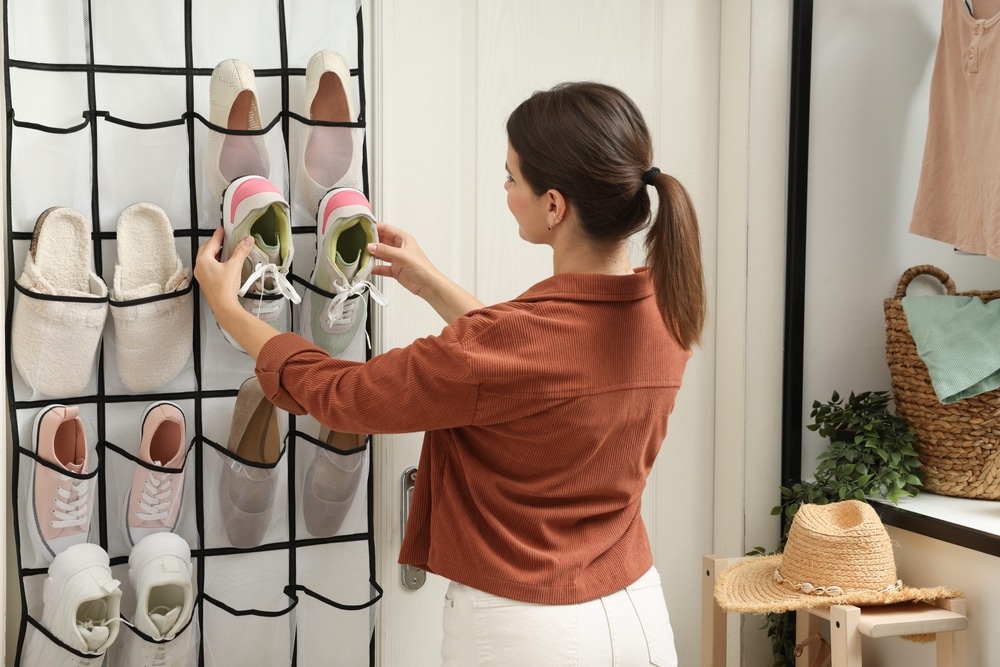
Home organization systems often start with good intentions. You clear a space, buy storage containers, carefully arrange everything, and for a brief moment your home feels calm and in control. Then, slowly but inevitably, things begin to slip. Items end up in the wrong place, surfaces fill up again, and the system you worked so hard to create quietly stops working. If this sounds familiar, you’re not alone—and more importantly, you’re not the problem.
Most home organization systems fail not because people lack discipline, motivation, or effort, but because the systems themselves are poorly designed for real life. They look good, they make sense on paper, and they work perfectly in theory. But daily life is messy, rushed, and unpredictable. When organization systems don’t account for that reality, they collapse.
Understanding why home organization systems fail is the first step toward building ones that actually work. Once you see the patterns behind these failures, the solutions become surprisingly simple.
The Problem Isn’t You — It’s the Organization System
There’s a persistent idea that if an organization system doesn’t stick, it’s because the person using it isn’t trying hard enough. This belief creates unnecessary guilt and frustration, especially when you’ve invested time and money into organizing your home. In reality, most people are doing exactly what humans naturally do. The issue lies in systems that expect ideal behavior instead of real behavior.
Many home organization systems are designed with perfection in mind. They assume that items will always be returned neatly, that every category will be respected, and that maintenance will feel effortless forever. These assumptions don’t hold up in daily life. When systems require constant attention to function, they’re destined to fail.
A good organization system should make life easier, not demand more energy. When a system breaks down under normal use, that’s feedback—not failure. The sooner you stop blaming yourself, the easier it becomes to fix what isn’t working.
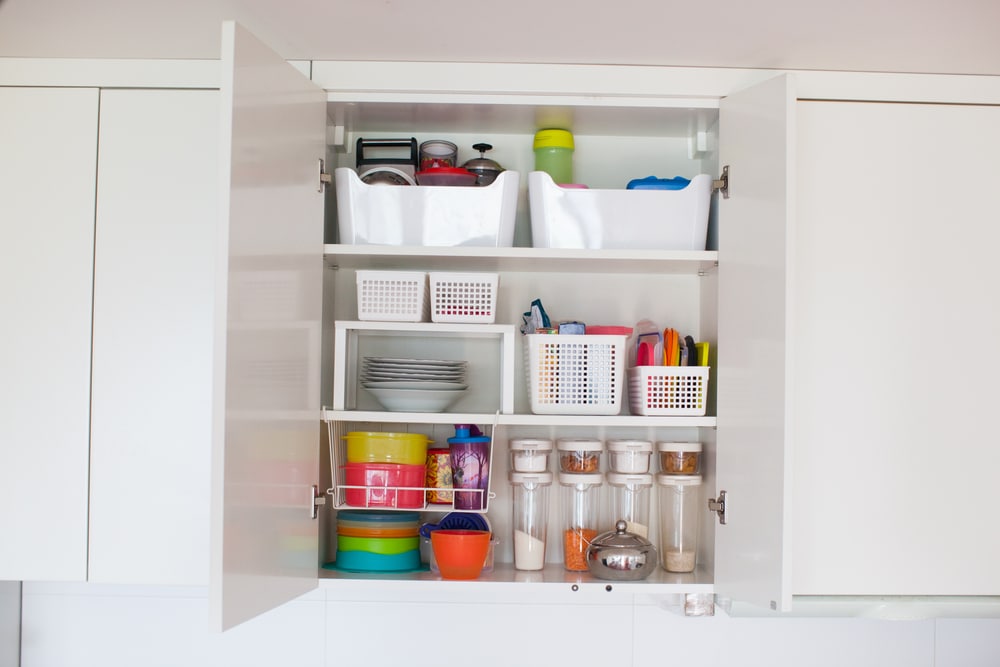
Why Most Home Organization Systems Fail in Real Life
One of the most common reasons home organization systems fail is that they involve too many steps. When putting something away requires opening lids, stacking containers, or navigating rigid categories, the brain often chooses the faster option. That faster option is usually setting the item down somewhere convenient and moving on.
Another issue is high maintenance. Systems that look pristine when first set up often require frequent resetting to stay that way. Over time, this constant upkeep becomes exhausting. When maintaining order feels like a chore, motivation fades and clutter returns.
Many home organization systems also ignore habits entirely. They’re built around how things should be stored, not how people actually use them. When storage locations don’t match daily routines, items naturally migrate elsewhere. The system isn’t failing randomly—it’s being overridden by behavior.
The Psychology Behind Why Organization Systems Don’t Stick
Human behavior plays a much bigger role in organization than most systems account for. Habits form through repetition and ease, not through willpower. When an organization system creates friction, even small amounts, it interrupts habit formation and increases resistance.
Decision fatigue is another major factor. Systems that require you to constantly decide where something belongs eventually become mentally taxing. After a long day, the brain looks for shortcuts. If putting something away requires thinking, it often won’t happen.
Home organization systems also tend to underestimate the mental load of maintenance. Even when a system is technically simple, the responsibility of keeping it perfect adds pressure. Over time, that pressure leads to avoidance. Effective systems reduce decisions and expectations rather than adding to them.
What Effective Home Organization Systems Do Differently
Effective home organization systems work because they prioritize ease over aesthetics. Instead of expecting behavior to change, they adapt to existing habits. Items are stored where they naturally end up, not where they look best.
These systems also reduce steps wherever possible. When storage is open, accessible, and obvious, items are more likely to be put away consistently. Speed matters more than precision. A system that’s slightly messy but functional will outperform a perfect system that’s hard to use.
Another defining feature of effective organization systems is flexibility. They allow for overflow, mistakes, and change. Instead of breaking when life gets busy, they absorb the chaos and keep functioning. This resilience is what allows them to last long-term.
Home Organization Systems That Actually Work in Practice
One example of an effective organization approach is the use of intentional drop zones. Rather than fighting clutter, these systems contain it. Items that naturally collect in certain areas are given a designated place, which prevents clutter from spreading throughout the home.
Visible storage systems also tend to work better than hidden ones. When you can see what you own, you’re more likely to use it and put it back. Out-of-sight storage often leads to forgotten items and overfilled spaces that become difficult to maintain.
Systems that rely on one-step storage are another strong solution. When items can be placed directly into a container without additional steps, consistency improves dramatically. Removing lids, stacking, and complex sorting makes organization feel effortless rather than demanding.
Flexible category systems also outperform rigid ones. Instead of highly specific labels, broader groupings allow items to shift naturally over time. This adaptability prevents the system from becoming outdated as needs change.
How to Fix a Home Organization System That’s Already Failing
When a home organization system isn’t working, the instinct is often to scrap it and start over. In most cases, that isn’t necessary. Small adjustments can make a big difference without requiring a full reset.
The first step is identifying friction points. Pay attention to where clutter consistently appears. That location is telling you something about how the space is used. Instead of fighting that behavior, redesign the system to support it.
Simplifying the system often helps immediately. Removing unnecessary containers, labels, or steps reduces resistance and makes it easier to maintain. Shrinking a system to its essentials can restore functionality surprisingly quickly.
Adapting instead of restarting also builds confidence. When you learn to tweak systems rather than abandon them, organization becomes an evolving process rather than a recurring failure.
Common Organization Mistakes That Cause Systems to Collapse
One frequent mistake is buying storage before decluttering. Storage doesn’t solve clutter—it just rearranges it. When organization systems are built around items that don’t need to be kept, they fill up faster and become harder to manage.
Another common issue is organizing for appearances rather than use. Systems designed to impress guests often ignore the needs of the people who actually live in the space. When form takes priority over function, the system rarely survives daily use.
Over-labeling and over-categorizing can also undermine home organization systems. While labels can be helpful, too many rules create friction. When a system feels restrictive, people stop engaging with it.
Designing Home Organization Systems for Real Life
The most successful home organization systems are designed with bad days in mind. They assume that sometimes things won’t be put away perfectly and that life will get busy. Instead of collapsing under these conditions, they continue to function well enough to prevent chaos.
Real-life organization systems focus on support rather than control. They exist to make daily routines easier, not to enforce order. When organization feels helpful instead of demanding, it naturally becomes sustainable.
Designing for humans instead of photos changes everything. Homes are lived in, not staged. When systems reflect that reality, they stop failing and start quietly working in the background.
Better Systems Require Less Effort, Not More
When home organization systems fail, it’s rarely a sign that you’ve done something wrong. It’s a sign that the system wasn’t built for how you live. Failure isn’t proof of laziness or disorganization—it’s feedback that something needs adjusting.
Effective solutions don’t require more discipline or more products. They require smarter design, fewer steps, and greater flexibility. When systems work with your habits instead of against them, organization becomes easier than you ever expected.
Better home organization systems don’t demand perfection. They allow for real life. And that, quietly and reliably, is what makes them work.