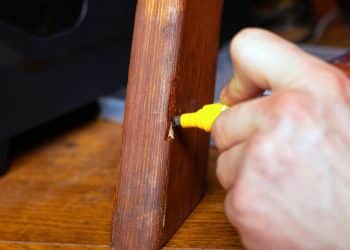

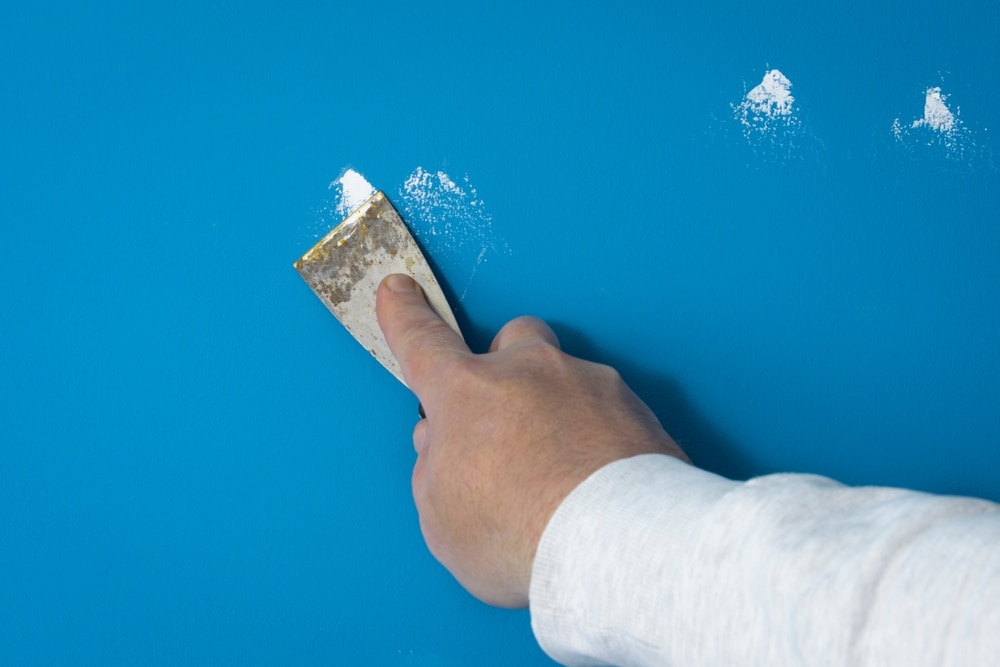
Small holes in walls have a way of multiplying. One picture hook comes down, a shelf gets moved, a door handle bumps the wall one too many times—and suddenly there are marks everywhere you can’t stop noticing. They’re not dramatic enough to justify calling a professional, but they’re annoying enough to make a room feel unfinished. The good news is that you can repair small holes in walls easily, using basic materials and a bit of patience, without turning it into a full DIY project.
This kind of repair isn’t about craftsmanship or perfection. It’s about restoring the wall so it fades back into the background. When small holes disappear, rooms instantly feel calmer and more cared for, even if nothing else changes.
Why Small Wall Holes Make a Bigger Impact Than You Expect
Walls are large, continuous surfaces. When something interrupts that surface—a hole, dent, or chipped area—the eye goes straight to it. Even tiny imperfections can make a room feel worn or neglected.
That’s why repairing small holes often has an outsized effect. You’re not just fixing a defect. You’re restoring visual continuity. Once the wall surface is smooth again, the space feels cleaner, newer, and more intentional without any additional upgrades.
This is one of the simplest fixes that delivers immediate payoff.
What Counts as a “Small Hole”
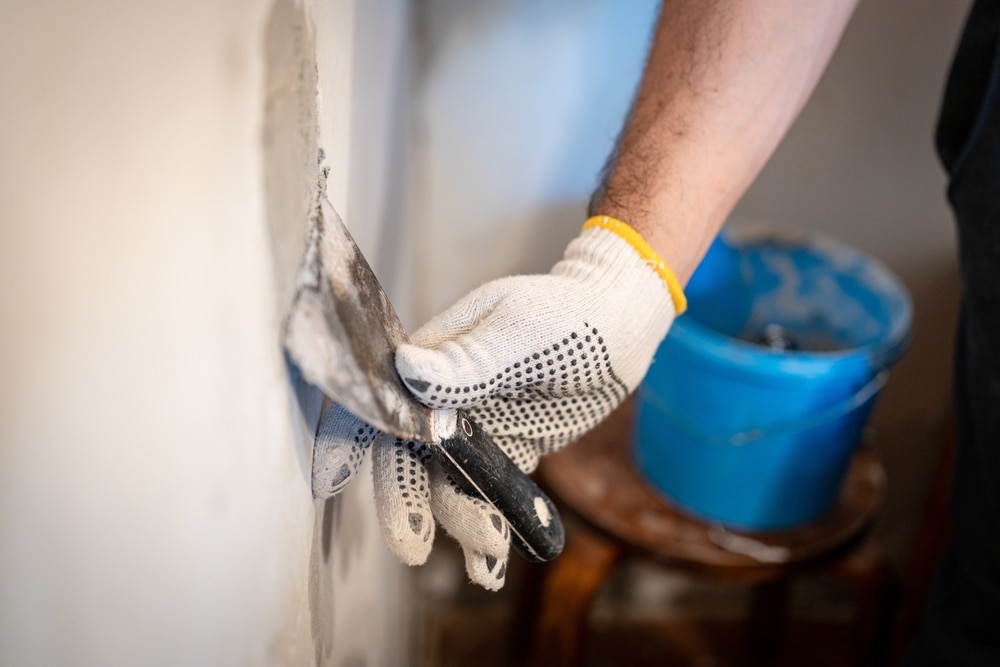
When we talk about repairing small holes, we’re usually referring to nail holes, screw holes from lightweight fixtures, or small anchor holes left behind after removing decor. These are shallow openings that don’t compromise the structure of the wall.
Anything that’s roughly the size of a nail, tack, or small screw typically falls into this category. Larger damage, crumbling drywall, or deep cracks require a different approach. Knowing the difference helps avoid overcomplicating a simple fix.
Most everyday wall damage can be handled quickly with basic materials you likely already have or can easily find.
Why You Don’t Need Fancy Tools to Repair Small Holes
One of the reasons people put off wall repairs is the assumption that special tools or skills are required. In reality, repairing small holes is more about technique than equipment.
Basic filler, a simple putty knife or flat edge, light sandpaper, and paint are usually enough. The process is forgiving, and mistakes are easy to correct before anything becomes permanent.
This makes small hole repair one of the lowest-risk DIY tasks you can do at home.
Preparing the Hole Before Repairing It
Before filling anything, the hole needs to be clean. Loose drywall dust, flaking paint, or bits of old anchors prevent filler from bonding properly. Gently clearing the hole creates a solid base to repair small holes.
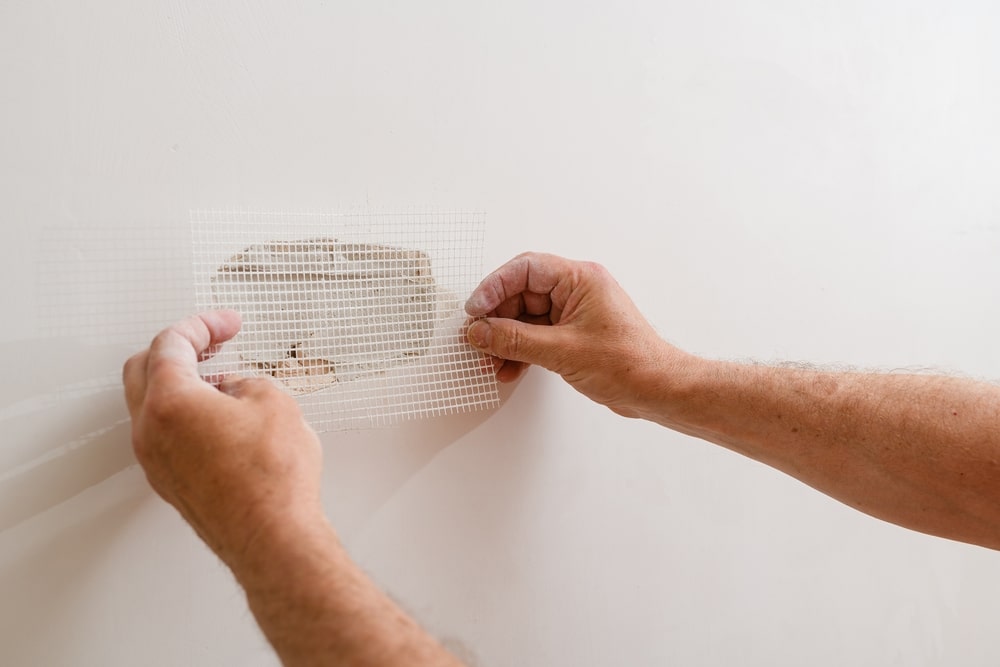
This step is often rushed, but it matters. A clean edge helps the filler dry evenly and prevents shrinking or cracking later. Taking a minute to prepare the hole improves the result far more than applying extra filler.
Good preparation makes it a lot easier to repair small holes.
Using Basic Filler the Right Way
When repairing small holes, less filler is usually better than more. Overfilling creates extra sanding work and can make the repair more noticeable after painting.
Press the filler into the hole so it fills the space completely, then smooth the surface so it sits flush with the wall. The goal is to replace what’s missing, not create a raised patch.
If the hole is slightly deeper, it’s better to apply filler in thin layers rather than one thick one. Thin layers dry more evenly and are easier to sand smooth.
Letting the Repair Dry Properly
Drying time matters more than most people think. Filler that looks dry on the surface may still be soft underneath. Sanding or painting too early can pull material out of the hole or create uneven texture.
Allowing proper drying time ensures the repair stays intact. It also makes sanding easier and cleaner, which leads to a smoother final result.
Patience at this stage prevents the need to redo the repair later.
Sanding Without Overdoing It
Sanding is meant to blend the repaired area into the surrounding wall, not flatten the entire surface. Light, controlled sanding smooths the filler and feathers the edges so the patch disappears visually.
Over-sanding can expose the hole again or remove surrounding paint, making the repair area larger than necessary. Gentle pressure and frequent checks work better than aggressive sanding.
When repairing small holes, subtlety produces the best results.
Matching the Wall Finish
Walls rarely have a perfectly smooth finish. Some have light texture, others are matte or slightly glossy. After sanding, the repaired area should visually match the surrounding surface as closely as possible.
If the wall has texture, lightly dabbing paint or using a sponge technique can help blend the patch. The goal isn’t perfection—it’s invisibility at a glance.
This step is what makes the difference between a repair you notice and one you forget about.
Painting the Repaired Area
Painting seals the repair and restores color uniformity. Even if the filler matches the wall color closely, paint is essential for a finished look.
Using leftover paint from the room produces the best match. Light coats applied carefully help the repair blend in without drawing attention. In many cases, touching up just the repaired area is enough.
Painting is the final step that makes repairing small holes feel complete.
Common Mistakes That Make Repairs Stand Out
The most common mistake is rushing. Skipping drying time, sanding too soon, or painting too heavily often makes the repair more visible instead of less.
Another issue is using too much filler or spreading it too far beyond the hole. This creates a patch larger than necessary and makes blending harder.
Simple repairs succeed when they stay small and controlled.
Why Repairing Small Holes Is Worth Doing Immediately
Small holes don’t get better on their own. Over time, edges chip, dust collects, and the damage becomes more noticeable. What could have been a five-minute fix slowly turns into a visual annoyance.
Repairing small holes as they appear keeps walls looking fresh and prevents minor damage from becoming distracting. It’s one of the easiest ways to maintain a home without major effort.
Small Fixes Make a Big Difference
Repairing small holes in walls doesn’t require advanced skills or expensive tools. It requires a little attention and a willingness to handle small issues before they grow.
These repairs don’t just fix walls. They improve how a space feels. Smooth, uninterrupted surfaces create calm, even when everything else stays the same.
Sometimes the smartest home improvements aren’t upgrades at all. They’re small repairs done at the right time—and done just well enough to disappear.