
When you’re trying to figure out the best ways how to make a small room look bigger, the first thing to think about is color. It’s like magic, really! Lighter colors just make a space feel more open and airy. Think about your walls and floors – painting them in lighter shades can really trick the eye into thinking the room has more space than it actually does.
Choose Lighter Hues For Walls And Floors
Seriously, go light. Whites, creams, soft grays, pale blues, or even a light sage green can make a huge difference. These colors reflect more light, which is key. It’s not just about the walls, either. If you have a rug or carpet, picking a lighter color for that will also help. The same goes for your ceiling – keeping it light, ideally white, makes the room feel taller.
Incorporate Bold Colors Through Accents
Now, this doesn’t mean your room has to be boring! You can totally bring in pops of color. Think about adding a vibrant throw pillow, a colorful piece of art, or even a bright vase. These little touches add personality without making the room feel closed in. It’s all about balance, you know?
Monochromatic Schemes Create Cohesion
Another cool trick is to go monochromatic. This means picking one color and using different shades and textures of it throughout the room. So, if you love blue, use a light blue on the walls, a slightly darker blue for a sofa, and maybe some navy accents. It makes everything flow together really nicely, and a unified look can make a space feel much larger and less cluttered. It’s like everything belongs together, which is a nice feeling.
Using light colors on your walls and floors, along with strategic pops of color and a cohesive monochromatic scheme, can visually expand your space without any construction.
Here’s a quick rundown:
- Walls: Think light neutrals like white, beige, or pale gray.
- Floors: Light wood, light-colored rugs, or even pale tiles work wonders.
- Ceiling: Always go light, preferably white, to add height.
- Accents: Use brighter colors for pillows, art, or decorative items.
- Monochromatic: Stick to one color family for a unified, expansive feel.
Maximize Your Lighting
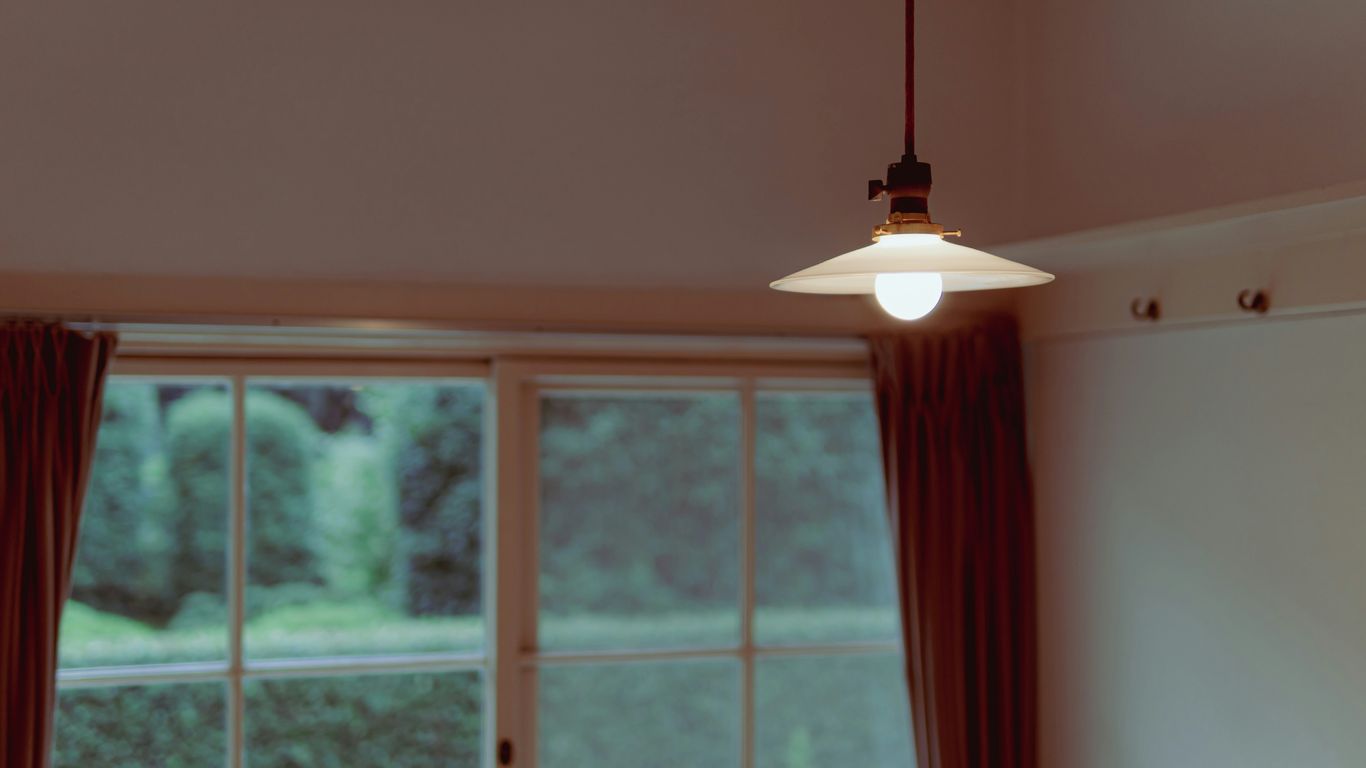
Lighting is a super important trick for making a small room feel way bigger than it is. It’s all about tricking the eye, you know? When a room is well-lit, it just feels more open and airy. Think about it – a dark, dingy corner can make a whole room feel smaller, right? So, let’s get this place shining!
Add Table And Floor Lamps
Don’t rely on just one overhead light. That can create shadows and make things feel a bit gloomy. Instead, spread the light around! Table lamps on side tables or consoles are great for filling in those darker spots. Floor lamps, especially the kind that point upwards (sometimes called torchiere lamps), are fantastic for bouncing light off the ceiling. This makes the room feel taller and more expansive. It’s like giving your room a gentle, all-over glow.
Utilize Natural Light Sources
This is probably the easiest win. If you have windows, make the most of them! Keep window treatments simple and light. Heavy, dark curtains can really block out light and make a space feel closed off. Think sheer fabrics or blinds that you can easily open all the way. The more natural light you can let in, the better. If you’re lucky enough to have a skylight or a solar tube, even better! Those are like little sunshine boosters.
Bounce Light Off Surfaces
This is where things get a little clever. You want light to travel around the room, not just sit in one spot. Shiny surfaces are your best friend here. Think about furniture with a bit of sheen, or even just strategically placed mirrors (we’ll get to those!). Painting your ceiling a lighter color than the walls can also help bounce light downwards, making the room feel taller. Even a glossy finish on a piece of furniture can help reflect light. It’s all about making that light work for you and spread out.
Clever Furniture Arrangement
Okay, so you’ve got your colors sorted and your lighting game strong. Now, let’s talk about how you actually place your furniture. This is where things can get tricky, but get it right, and your room will feel way more open. The goal is to make it easy for people to move around without bumping into things.
Create Clear Sight Lines
Think about how you walk into a room. If your eyes immediately hit a wall of furniture, it feels cramped. Instead, try to arrange your pieces so you can see across the room, maybe even into another space or towards a window. This creates a sense of depth. If you have an entryway or a doorway leading to another room, don’t block it off completely with a sofa or a big cabinet. Pulling furniture just a little bit away from these openings can make a surprising difference.
Allow For Ample Traffic Flow
This is super important. Imagine you’re hosting a party (even if it’s just you and your cat). Can people walk through the room without doing a weird shuffle? You want clear paths. Don’t push everything right up against the walls. Give your furniture a little breathing room. This doesn’t mean you need a giant empty space, but just enough room to walk comfortably between pieces. It’s all about making the room feel accessible and not like a maze.
Here’s a quick way to check:
- Main Path: Is there at least a 3-foot wide path for walking?
- Between Seating: Can people easily get between sofas and chairs?
- Access to Doors/Windows: Are all entryways and windows easy to reach?
Choose Furniture With Legs
This might sound minor, but furniture that sits directly on the floor can make a room feel heavy and closed off. When you choose pieces that have legs – like sofas, chairs, or tables – you can see the floor underneath. This little bit of visible floor space tricks the eye into thinking the room is bigger than it is. It creates a sense of airiness and lightens up the whole space. Think of it like lifting things up a bit, giving them some breathing room.
Smart Storage Solutions
Okay, so we’ve talked about making things look bigger, but let’s be real, a cluttered room just feels smaller, right? It’s like trying to find your keys in a black hole. So, getting smart about where you stash your stuff is a total game-changer. It’s not about getting rid of everything you own, but about finding clever ways to keep things tidy.
Declutter Ruthlessly
This is the first, and maybe the hardest, step. Take a good, hard look at everything you own. Do you really need three whisks? Are those old magazines adding anything to your life? Be honest! The less stuff you have, the more space you’ll feel you have. Think about donating, selling, or just tossing anything that doesn’t serve a purpose or bring you joy. It’s liberating, I promise.
Furniture That Does Double Duty
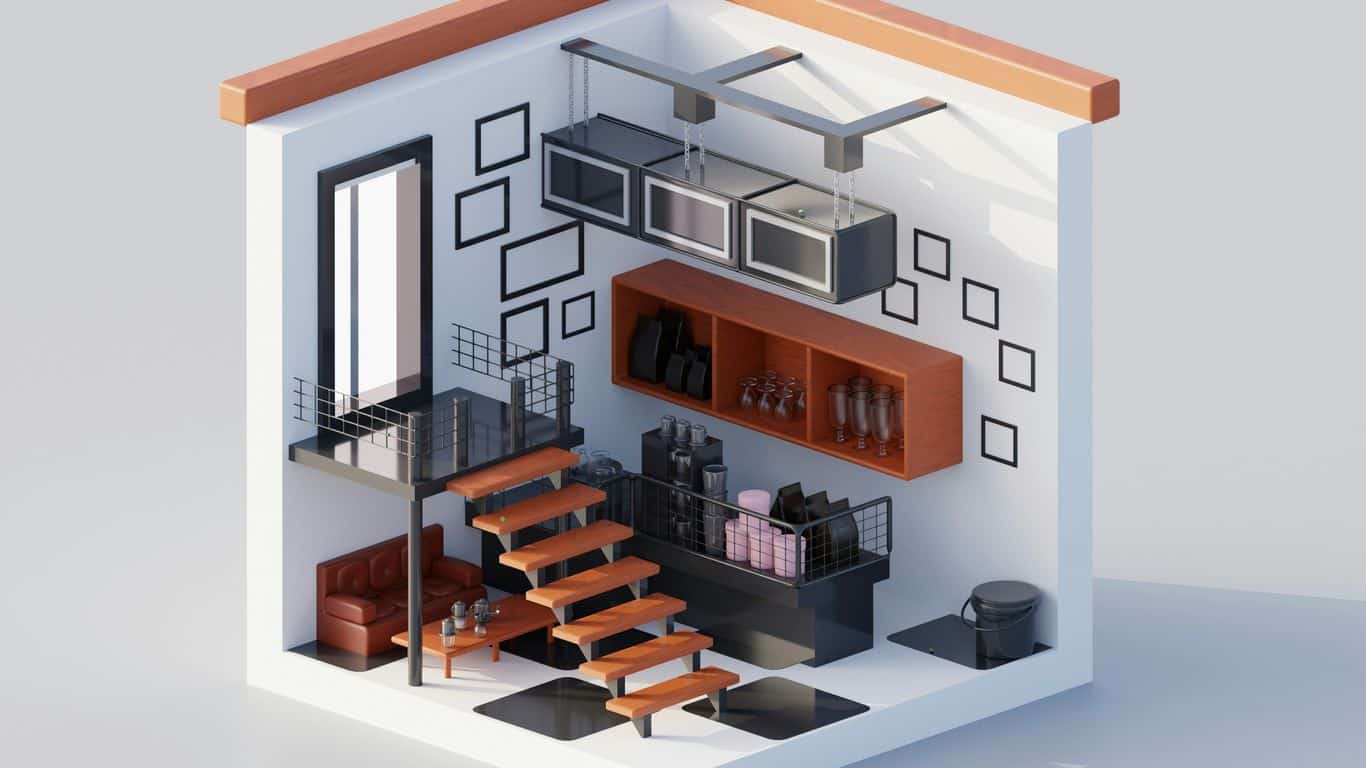
Why buy a plain old coffee table when you can get one that hides all your remotes and coasters? Storage ottomans are fantastic for stashing blankets or extra pillows. A storage bench in the entryway can hold shoes and bags. Look for pieces that have hidden compartments or built-in shelves. It’s like a magic trick for your living room!
- Storage Ottomans: Perfect for living rooms or bedrooms to hide blankets, books, or even toys.
- Coffee Tables with Storage: Look for ones with drawers or shelves to keep clutter out of sight.
- Benches with Hidden Compartments: Great for entryways or at the foot of a bed.
- Nesting Tables: These can be pulled out when you need them and tucked away when you don’t, often with storage inside.
Utilize Built-Ins And Shelving
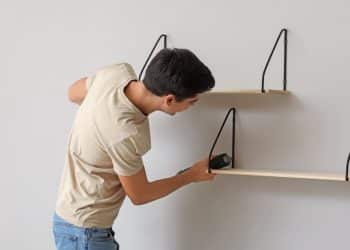
If you have the chance, built-in shelves or cabinets can be amazing. They hug the walls and don’t take up precious floor space. Even if you can’t do full built-ins, simple floating shelves can make a big difference. You can display your favorite books or decor without making the room feel crowded. Just remember to keep them organized – a shelf full of junk is still junk!
When you’re thinking about storage, always consider the vertical space. Walls are your friends! Shelving that goes up towards the ceiling can hold a surprising amount of stuff without making the room feel smaller. It also draws the eye upward, which we’ll talk about more later.
Draw The Eye Upwards
Ever feel like your room is just… low? Like it’s hugging the floor a little too much? We can fix that! The trick is to make people look up, making the whole space feel taller and, you guessed it, bigger. It’s all about creating a sense of verticality.
Hang Curtains High and Wide
This is a game-changer, seriously. Forget hanging your curtains right above the window frame. Instead, mount your curtain rod much higher, almost near the ceiling, and extend it wider than the window itself. This simple adjustment makes your windows look enormous and draws the eye upward, giving the illusion of a taller room.
- Rod Placement: Aim for the rod to be about 1-3 inches below the ceiling, or just under any crown molding you might have.
- Width Matters: Extend the rod 4-6 inches beyond the window frame on each side.
- Floor Length: Always make sure your curtains reach the floor. This creates a continuous vertical line.
Incorporate Vertical Lines
Think about how lines can trick the eye. Vertical lines are your best friend when you want to make a room feel taller. This can be achieved in a few ways, from simple decor choices to more involved DIY projects.
- Tall Artwork or Gallery Walls: A large piece of art that takes up a significant portion of the wall height, or a gallery wall that extends from floor to ceiling, will naturally pull your gaze upward. It adds character without making the space feel cluttered.
- Stripes and Patterns: Consider wallpaper or paint with vertical stripes. Even subtle patterns that have a strong upward movement can make a big difference.
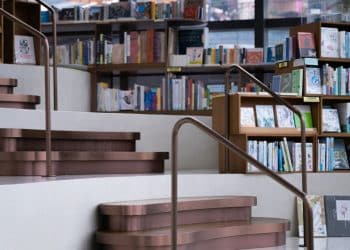
- Architectural Details: If you’re up for a project, adding vertical elements like shiplap or even tall, narrow bookshelves can really emphasize the height of your room. Floor-to-ceiling bookshelves are a fantastic way to add storage and draw the eye up simultaneously [f7a6].
When you’re trying to make a small space feel larger, think about what’s already there and how you can emphasize it. Sometimes, it’s not about adding more, but about arranging and highlighting what you have in a smarter way.
Large Artwork Can Elongate the Space
Don’t shy away from big art! While it might seem counterintuitive in a small room, a single, large piece of artwork can actually make the space feel grander and more expansive. It acts as a focal point that commands attention and directs the eye, preventing it from bouncing around and making the room feel busy. It’s like giving your room a statement piece that says, “I’m here, and I’m fabulous!” Avoid lots of tiny pieces, which can end up making the walls look cluttered and the room feel smaller.
The Power Of Mirrors
Mirrors are like magic wands for small spaces. Seriously, they can totally trick your eyes into thinking a room is way bigger than it actually is. It’s all about how they play with light and space. A well-placed mirror can make a world of difference.
Reflect Light And Color
Think of mirrors as extra windows. They grab whatever light is in the room, whether it’s from a lamp or the sun peeking through, and bounce it all around. This makes the whole space feel brighter and more open. It’s like giving your room a little glow-up! You can even use mirror tiles to cover a whole wall if you’re feeling bold – it’s like instantly doubling your room’s size. It’s a simple trick that really works.
Create An Illusion Of Depth
Beyond just brightening things up, mirrors can actually make a room feel deeper. When you look into a mirror, it creates a reflection that looks like another space. It’s like having a secret, invisible room attached to yours! This is why you often see big mirrors in restaurants or bars; they make the place feel more expansive. You can achieve a similar effect by placing a large mirror on a wall, especially opposite a window or a doorway. It draws your eye and makes the room seem to stretch out.
Consider Large Statement Mirrors
When you’re picking out mirrors for a small room, don’t be shy! Going for a big, statement mirror can have a huge impact. Instead of lots of little mirrors, one large one can actually make the space feel grander. You could hang a big mirror above a sofa or a fireplace, or even lean a tall floor mirror against a wall. It acts like a piece of art while also doing its space-expanding magic. For some inspiration on how to hang them, check out how to hang a mirror.
Mirrors are a fantastic tool for making any small room feel more spacious. They reflect light, create a sense of depth, and can even serve as a stylish focal point. It’s one of the easiest and most effective ways to visually enlarge your living area without any major renovations.
Furniture Scale And Style
When you’re trying to make a small room feel bigger, the size and style of your furniture really matter. It might seem like you should cram in the smallest possible pieces, but that’s not always the best move. Sometimes, going a little bigger with certain items can actually make the space feel more balanced and intentional.
Opt For Lower Profile Furniture
Think about furniture that sits closer to the ground. Lower pieces, like a sleek sofa or a minimalist coffee table, can make your ceilings seem taller. It creates a sense of openness because there’s more visible wall space above the furniture. It’s like giving your room a little extra breathing room.
Select Pieces With Open Bases
Furniture that has legs or an open base can make a big difference. Instead of solid, bulky pieces that sit right on the floor, opt for items where you can see the floor underneath. This visual trick allows light and air to flow through the space, making it feel less crowded and more airy. Think about chairs with slender legs or a console table that’s not solid all the way down.
Avoid Overcrowding With Too Many Items
This one might seem obvious, but it’s worth repeating. It’s easy to want to fill every corner, but too many pieces of furniture will make your room feel cramped. Be selective. Choose pieces that serve a purpose and that you really love. Sometimes, fewer, well-chosen items can make a room feel much larger than a collection of smaller, mismatched pieces. It’s all about creating clear pathways and not blocking sight lines.
- Measure your space carefully before buying anything. What looks good in the store might not fit well at home.
- Consider multi-functional pieces. An ottoman that doubles as storage or a coffee table with shelves can cut down on the number of items you need.
- Don’t push everything against the walls. Pulling furniture out just a little bit can create a more dynamic and open feel, even in a small room.
You’ve Got This!
So there you have it! Making a small room feel bigger doesn’t have to be a huge project or cost a ton of money. It’s all about using smart tricks with color, light, and how you arrange your stuff. Even just a few small changes can make a big difference. Now go ahead and try some of these ideas out – you might be surprised at how much more spacious your room feels. Happy decorating!