
One of the most annoying things you get used to around the house are doors that get a little too noisy. But we’ve got your back, so let’s look at how to properly fix squeaky doors!
1. Check The Hinges
Alright, let’s get to the bottom of this squeaky door situation! Before we grab any lubricants or tools, the very first thing we need to do is give those hinges a good, honest look-over. Think of it like a doctor giving you a quick check-up before prescribing medicine. Sometimes, the fix is super simple, and you don’t want to waste time and product on something that isn’t the real issue.
The goal here is to figure out why the hinge is making noise. Is it just dry, or is something else going on?
Here’s what to look for:
- Visual Inspection: Give each hinge a good stare. Do you see any obvious gunk, rust, or damage? Are the screws looking loose or stripped? Sometimes, just seeing a bit of dirt buildup is a clue.
- Listen Closely: Try to pinpoint when the squeak happens. Does it happen every time you open or close the door? Does it happen only at a certain point in the swing? Does it sound like it’s coming from one specific hinge, or all of them?
- The Lift Test: This is a neat trick. Gently try to lift the door by the handle while someone else opens or closes it. If the squeak lessens or disappears when you lift, it’s a strong sign that the door might be sagging a bit, and the hinges aren’t perfectly aligned. This is a common culprit, especially with older doors or doors that get a lot of use. It means the weight isn’t distributed evenly across the hinges anymore.
Don’t just assume it’s a lubrication problem. Sometimes, a door’s alignment can cause hinges to rub in ways that create noise, even if they’re perfectly greased. Checking this first can save you a lot of hassle down the line.
If you notice any screws that seem loose, it’s worth giving them a gentle tighten with a screwdriver. Sometimes, that’s all it takes! If a screw just spins and spins, don’t force it; we’ll deal with that later. For now, just get a feel for what your hinges are telling you. This initial check is key to picking the right fix from our list, and it helps you understand the overall health of your door hardware.
2. Clean The Hinges
Alright, before we go slathering on any fancy lubes, let’s get these hinges nice and clean. Think of it like washing your hands before you eat – you don’t want to mix dirt with your food, right? Same idea here. If you just squirt oil onto a grimy hinge, you’re basically just making a muddy mess that won’t work for long, and might even make things worse.
So, what’s the game plan?
- First, let’s get those hinge pins out. You might need a helper to hold the door steady while you gently tap the pins upwards from the bottom. A hammer and a nail set or a sturdy screwdriver can work wonders here. Just be gentle!
- Once the pins are out, give them a good scrub. A little warm, soapy water or even a soak in some white vinegar can really break down any gunk. Wipe down the hinge plates too – get into all those nooks and crannies.
- Dry everything off thoroughly. Seriously, no one likes a wet hinge. A clean, dry surface is key for the next steps.
This cleaning step is super important because it removes accumulated dust and grime that can actually cause more friction. If you skip this, any lubricant you add will just trap that dirt, and your squeak might come back sooner rather than later. It’s like trying to polish a dirty car – you’ll just scratch the paint!
After cleaning, you’ll want to make sure the hinge plates are still sitting flush. Sometimes, just cleaning them reveals that they’ve shifted a bit. If you notice any looseness, it might be worth tightening up the screws before you move on to lubricating the hinges. A clean slate means the lubricant can do its job properly!
3. Use WD-40
Alright, let’s talk about WD-40. This stuff is super common, and for good reason! It’s often the first thing people reach for when something needs a little spray. And hey, it can definitely help quiet down a squeaky door in a pinch.
Here’s the deal: WD-40 is actually more of a solvent and water displacer than a long-term lubricant. Think of it as a cleaner that also happens to have some lubricating properties. It’s fantastic for getting into tight spots and can knock out that annoying squeak pretty quickly.
How to use it:
- Grab your can of WD-40.
- Locate the hinges on your door.
- Aim the straw nozzle right at the top of the hinge, where the different parts meet.
- Give it a short spray. You don’t need to drench it!
- Open and close the door a few times to let the WD-40 work its way in.
While WD-40 is super handy and often works right away, it’s not always the most lasting solution. Because it’s designed to clean and displace water, it can evaporate over time. This means that squeak might come back sooner rather than later. For a more permanent fix, you might need to look at other options down the line, but for a quick fix, WD-40 is a solid go-to.
4. Try Olive Oil
Okay, so maybe you don’t have any fancy lubricants lying around, or perhaps you’re just curious to see what’s in your kitchen pantry. Good news! Olive oil can actually be a pretty decent fix for a squeaky door.
It’s a simple, readily available option that can get the job done. Just like with other methods, the goal here is to get the oil into the hinge mechanism to reduce that annoying friction.
Here’s how to give it a whirl:
- Gather your supplies: You’ll need your olive oil, a paper towel or some old rags, and something to apply the oil with. A syringe or a pipette works wonders here because it lets you be super precise. Pouring can get messy really fast!
- Protect your space: Lay down some newspaper or a towel around the base of the door. Trust me, olive oil can drip, and you don’t want to be scrubbing greasy spots off your floor later.
- Apply with care: Use your syringe or pipette to carefully drip a small amount of olive oil directly onto the hinge. Try to get it into the gaps and seams where the hinge parts meet.
- Work it in: Gently open and close the door a few times. This helps the oil spread throughout the hinge. You should start to notice the squeaking getting quieter.
- Add more if needed: If the squeak is still there, add another small drop or two and repeat the process. Just be careful not to overdo it. Too much oil can attract dust and gunk, which isn’t ideal.
While olive oil is a great go-to for a quick fix, it’s not always the longest-lasting solution. Think of it as a temporary band-aid that works surprisingly well in a pinch.
Give it a try! You might be surprised at how effective this kitchen staple can be at silencing those noisy hinges.
5. Use Petroleum Jelly
Got a tub of Vaseline lying around? Perfect! Petroleum jelly is another one of those handy household items that can totally silence a squeaky door. It’s got this thick, almost waxy feel to it, which is exactly what you need to cut down on friction in those hinges.
It’s a surprisingly effective lubricant for metal-on-metal contact.
Here’s how to get it working its magic:
- Grab a cotton swab or a small brush. This will help you get the jelly right where it needs to go.
- Apply a small amount of petroleum jelly directly to the hinge pin and the knuckles. You want to work it into the crevices.
- Gently open and close the door a few times. This helps the jelly spread around and get into all the nooks and crannies.
- Wipe away any excess jelly. You don’t want it dripping everywhere!
It might not be as fancy as some other lubricants, but petroleum jelly is a solid choice for a quick fix. It’s great for getting into those tight spots where other things might just run off. If you’re looking for a simple, readily available solution, this is definitely worth a shot. Sometimes the simplest things are the best, right? For a more temporary fix, you could even try a bar of soap if you’re in a pinch!
6. Apply Talcum Powder
Okay, so maybe the hinges aren’t the main culprit. Sometimes, a squeaky door is actually a door that’s just a little too friendly with its frame. If you notice the door is rubbing against the doorjamb, talcum powder can be a surprisingly effective, and clean, fix.
This is a great option if you’re worried about making a mess with oils or greases.
Here’s how to give it a go:
- Grab your talcum powder. The regular baby powder kind works just fine.
- Get a toothbrush. An old one you don’t mind getting a bit dusty is perfect.
- Lay down a towel. Just in case some powder falls, you’ll want to protect your floor.
Now, gently use the toothbrush to dust the talcum powder into the areas where the door seems to be making contact with the frame. You don’t need a ton, just a light dusting. Open and close the door a few times. The powder acts as a dry lubricant, reducing that annoying friction. It’s a simple trick, but it often does the job without any greasy residue!
7. Secure The Hinges
Sometimes, a squeaky door isn’t just about needing a little oil. It can actually be a sign that your hinges are a bit loose. Over time, the screws holding your hinges in place can wiggle their way out, especially with doors that get a lot of use. This looseness can cause the hinge parts to rub against each other in a way that makes noise.
The first thing to do is grab a screwdriver and give all the hinge screws a good tighten. Don’t go crazy and strip them, just snug them up. You might be surprised how often this simple step fixes the squeak all on its own!
If you find a screw just spins and spins without getting tighter, that means the hole it’s in has become stripped. Don’t worry, there’s a fix for that too. You can often replace that short screw with a slightly longer one that will bite into the wood framing behind the door jamb. This gives the hinge something solid to hold onto again.
Here’s a quick rundown of what to check:
- Spinning Screws: If a screw just keeps turning, it’s time for a longer replacement.
- Loose Hinges: Gently try to wiggle the hinge. If it moves, tighten the screws.
- Door Rubbing: Check if the door is catching on the frame anywhere. Loose hinges can cause this.
Sometimes, the squeak is just a cry for help from a loose screw. Tightening things up can make a world of difference, and it’s a super easy fix to try before moving on to more involved solutions.
8. Address Alignment
Sometimes, that squeak isn’t just about dry hinges. If your door is sagging even a little bit, it can put extra pressure on the hinges, causing them to groan. This is especially true if the door frame has shifted a bit over time, which happens more often than you’d think.
The real trick is figuring out if the noise is from friction or from the door carrying weight unevenly. A good test? Try gently lifting the door by the handle while you open or close it. If the squeak gets quieter or disappears, you’ve likely got an alignment issue on your hands.
Here’s how to tackle it:
- Check for rubbing: Open and close the door slowly. Does it catch on the frame anywhere? Look for scuff marks.
- Tighten those screws: Loose screws are a common culprit. Grab a screwdriver and tighten any loose screws on the hinges. Be careful not to strip them, though! If a screw just keeps spinning, you might need a longer one to get a good grip in the framing tighten them.
- Shim if needed: If the door is slightly off, you might be able to add a thin shim behind a hinge leaf to nudge it back into place.
Sometimes, a door just settles. It’s not a big deal, but it means the hinges aren’t perfectly aligned anymore. This can make one hinge work harder than the others, leading to noise. Fixing this means getting the door to hang straight again.
If tightening screws doesn’t do the trick, you might need to look at slightly bending the hinge knuckles or even replacing a hinge if it’s bent or worn out. It sounds complicated, but often, just getting the door to hang straight makes all the difference.
9. Replace Hardware
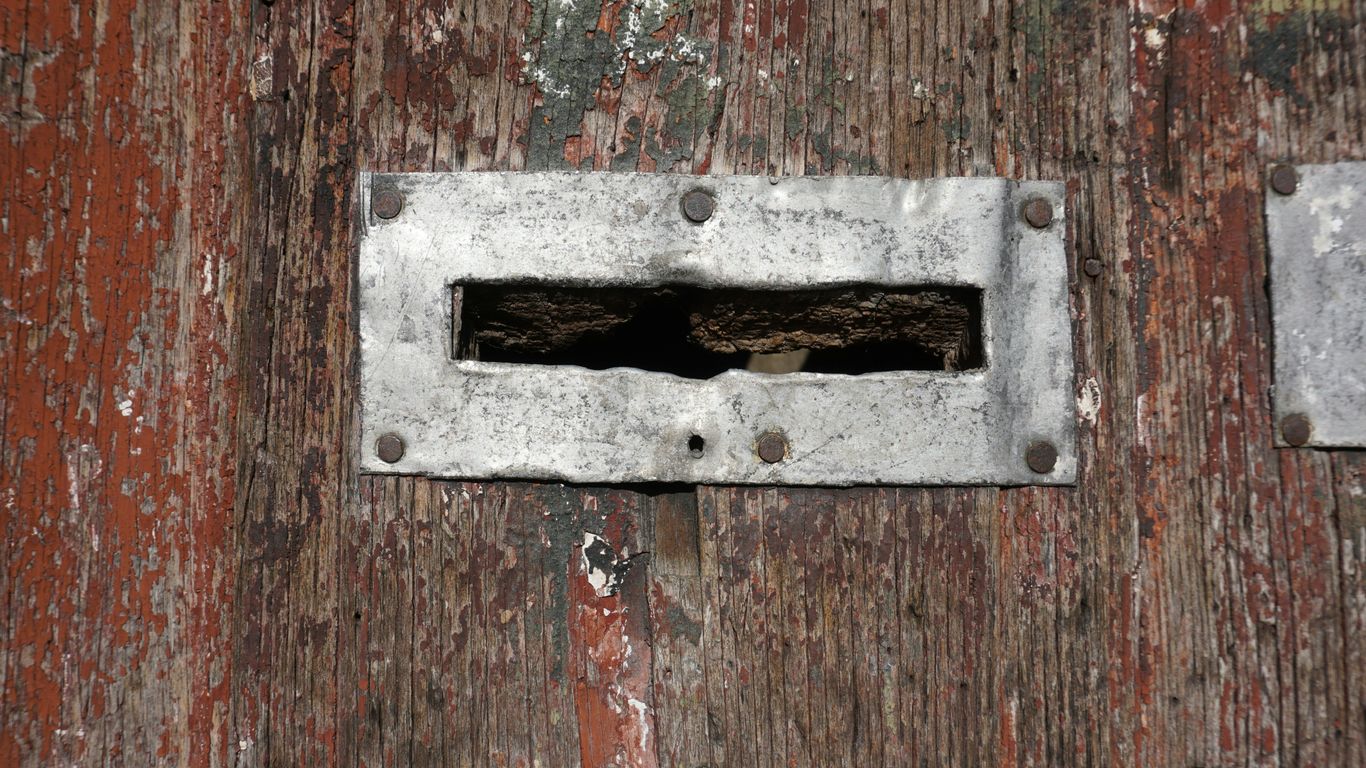
Sometimes, no matter how much you clean, lube, or tighten, a squeaky door just won’t quit. That’s usually a sign that the hinges themselves have seen better days. Think of them like old shoes – worn out and just not doing their job anymore. If you notice the metal is pitted, bent, or covered in rust that you can’t scrub off, it’s probably time to just swap them out.
Replacing the hardware is often the quickest and most effective long-term solution. It might seem like a bigger job than just a quick spray of lubricant, but trust me, it’ll save you headaches down the road. You’ll want to get a new set of hinges that match the size and style of your old ones. Most hardware stores have plenty of options.
Here’s a quick rundown on how to do it:
- Gather your new hinges and screws. Make sure they’re the right size for your door.
- Support the door. Have a helper hold it steady, or use wedges underneath to keep it from falling when you remove the hinges.
- Remove the old hinges one by one. Unscrew them from both the door and the frame. It’s best to do this one hinge at a time so the door doesn’t shift too much.
- Install the new hinges. Screw them into place, making sure they’re aligned properly.
- Test the door. Open and close it a few times to make sure the squeak is gone and the door moves smoothly.
Don’t be afraid to replace hardware that’s clearly past its prime. A little effort now can mean years of quiet doors later. It’s a simple fix that makes a big difference.
10. Sandpaper
Okay, so you’ve tried all the lubes, the powders, and maybe even a little bit of elbow grease, but that squeak is still hanging around like a bad penny. What’s next? Sometimes, the issue isn’t just about lubrication; it’s about friction caused by rough spots or minor misalignments on the hardware itself. This is where sandpaper can actually be a surprisingly helpful tool.
Think of it this way: if the metal parts of your hinges are a little rough or have some minor burrs, they’re going to rub against each other in a way that creates that annoying sound. Sandpaper, especially a fine-grit one, can smooth these surfaces right out. It’s all about making those moving parts glide instead of grind.
Here’s how you can give sandpaper a shot:
- Identify the culprit: Gently open and close the door, listening closely to pinpoint which part of the hinge is making the noise. Sometimes, it’s just one specific spot.
- Get your sandpaper: Grab a piece of fine-grit sandpaper (around 150-220 grit should do the trick). You don’t want anything too coarse, or you might make the problem worse.
- Smooth it out: Carefully remove the hinge pin (if possible and safe to do so). Then, gently rub the sandpaper up and down the sides of the hinge pin and inside the hinge knuckles where the pin sits. Focus on any rough spots or areas that look worn.
- Clean and re-lube: After sanding, wipe away any dust with a clean cloth. Then, re-apply your favorite lubricant (like the WD-40 or olive oil we talked about earlier) to the hinge pin and reinsert it. Work the door back and forth a few times.
Sometimes, the simplest solutions are hiding in plain sight. Don’t underestimate the power of a little bit of abrasion to smooth things over, literally.
This method is particularly useful if you notice any visible rust or rough patches on the hinge hardware. It’s a bit more hands-on than just spraying something, but it can be super effective for those stubborn squeaks that just won’t quit. For more tips on keeping your doors in top shape, check out this guide on silencing squeaky doors.
And That’s How To Fix Squeaky Doors!
So there you have it! Fixing that annoying squeaky door doesn’t have to be a big deal. We’ve gone through a few simple ways to get those hinges quiet again, whether it’s a quick clean and a bit of oil, or something a little more involved. Now you can finally open and close your doors without that awful noise. Go enjoy the peace and quiet – you’ve earned it!