
1. Socket Wrench
Alright, let’s talk tools! For this chair-fixing adventure, a socket wrench is going to be your best friend. Think of it as the superhero that can grab onto those stubborn nuts and bolts. You’ll need one that fits snugly onto the nuts holding your chair leg in place. Getting the right size is key here; too big and it’ll slip, too small and it won’t fit at all. The goal is to get a good grip so you can loosen or tighten things up without a struggle.
When you’re ready to take things apart, you’ll use the socket wrench to loosen the nut securing the chair leg. Just turn it counter-clockwise, and it should start to give. Once it’s loose enough, you can remove the nut and washer. Keep them somewhere safe, maybe in a little bowl, so they don’t wander off! If you’re putting it back together, you’ll use the wrench again to tighten the nuts. Just snug them up – you don’t want to crank down too hard and risk damaging the wood. It’s all about finding that sweet spot where the leg feels secure.
Remember, the right tool makes all the difference. Don’t force it if it feels stuck; sometimes a little wiggle or a different angle is all it takes. Patience is a virtue, especially when you’re trying to save a perfectly good chair from the landfill.
Here’s a quick rundown of what you’ll be doing with that socket wrench:
- Loosening nuts to remove chair legs.
- Tightening nuts to reattach chair legs.
- Ensuring a secure fit without overtightening.
If you’re dealing with a chair that has a lot of give, you might need to re-glue some joints. For that, you’ll want some wood glue handy.
2. Tongue and Groove Pliers
Alright, so you’ve got a wobbly chair, and we’re about to get it sorted. Sometimes, the culprit is a loose bolt that just needs a little extra grip. That’s where your trusty tongue and groove pliers come in handy. Think of them as a super-adjustable wrench that can grab onto all sorts of shapes and sizes.
When you’re dealing with a bolt that’s come loose, these pliers are your best friend for tightening it back up. You want to get a good, firm grip on the bolt head. Gently but firmly tighten down the threaded bolt into the hole until it feels snug. It’s important not to go crazy here; you don’t want to overtighten and risk cracking the wood. Just snug is the goal.
Here’s a quick rundown of how to use them for this job:
- Get a Grip: Position the jaws of the pliers around the bolt head. Make sure they’re locked on tight so they won’t slip.
- Turn with Care: Slowly turn the pliers clockwise to tighten the bolt. Apply steady pressure.
- Check for Snugness: Stop when the bolt feels secure. You’ll know it’s snug when there’s no more give, but before you feel like you’re forcing it.
After you’ve tightened the bolt, you’ll want to let any glue you’ve used cure for about 15-20 minutes. Then, give the bolt another firm tighten. Remember, snug is good, but too tight can cause damage. Once that’s done, you can reattach the leg and add the washer and nut, finger-tightening them first. You’ll need to hold the leg steady while you do this, so it doesn’t shift around.
3. Wood Glue
Alright, let’s talk about the magic potion for this fix: wood glue. This isn’t just any old glue; it’s specifically designed to bond wood fibers together, making it super strong. When you’re dealing with a wobbly chair, especially if a joint has loosened up a bit, wood glue is your best friend. It’s what gives the repair its lasting power.
Think of it like this: the glue fills in any tiny gaps between the wood pieces, and when it dries, it creates a bond that’s often stronger than the original wood itself. This is the key to making your chair sturdy again.
Here’s why it’s so great for this job:
- Strong Bond: It creates a permanent, rigid bond that holds wood together tightly.
- Fills Gaps: It can fill small spaces, helping to secure loose parts.
- Easy to Use: Most wood glues are pretty straightforward to apply.
When you’re applying it, you don’t need a ton. Just a thin, even layer is usually enough. You’ll want to make sure you get it into the loose joint or hole where the wobble is happening. For a really secure fix, you might want to check out how to apply wood glue properly. It makes a world of difference in how well your repair holds up over time.
4. Wooden Dowel
Alright, let’s talk about wooden dowels. These little guys are super handy for filling in stripped-out screw or bolt holes. Think of them as tiny wooden pegs that can give your wobbly chair leg a new lease on life.
Here’s how they come into play:
- Grab a dowel: You’ll want a dowel that’s roughly the same diameter as the hole you’re trying to fix. If you can’t find an exact match, a slightly larger one is better than too small. You can always sand it down.
- Glue time: Dip one end of the dowel into some wood glue. You don’t need a ton, just enough to coat it well. This glue is what will hold everything together.
- Insert and tap: Gently push the glued end of the dowel into the stripped-out hole. You might need to tap it lightly with a hammer to get it seated properly. The goal is to fill that hole completely so the screw or bolt has something solid to grip onto.
- Let it dry: Give the glue some time to set. This is important! Rushing this step can undo all your hard work.
Once the glue is dry, you’ll trim off any excess dowel sticking out. This is where those diagonal clippers come in handy. It’s a simple fix, but it makes a huge difference in getting your chair stable again. It’s amazing how a small piece of wood can solve such a big problem, right? You can find dowels at most hardware stores, and they’re pretty inexpensive. It’s a great little trick to have up your sleeve for furniture repairs. For more on using glue in repairs, check out how to fix a chair.
Sometimes, the simplest solutions are the most effective. A wooden dowel might seem basic, but when used correctly with wood glue, it can create a strong bond that revitalizes stripped screw holes and makes furniture sturdy again.
5. Toothpick

Sometimes, the simplest things are the most effective, right? That’s where our humble toothpick comes in. When a bolt hole in your chair leg has gotten a bit too big for its britches (meaning it’s stripped out), a toothpick can be your secret weapon. It’s perfect for filling those tiny gaps and giving the bolt something to grip onto again.
Here’s how this little guy helps:
- It’s the perfect size: Toothpicks are small enough to fit into those slightly enlarged holes without being too bulky.
- They absorb glue: Wood glue really soaks into the toothpick, creating a solid, bonded repair.
- Easy to trim: Once the glue dries, you can easily snip off any excess, leaving a clean finish.
Think of it as a tiny, wooden shim. You’re not trying to rebuild the whole leg, just give that bolt a little something extra to hold onto. This is a super quick and easy way to get a lot more life out of your furniture.
You might need a few toothpicks, depending on how loose the hole is. Don’t be shy about using several to build up a good, solid base for the bolt. It’s better to use a couple more than not enough!
6. Washer
Ever tighten a bolt under your chair only to have it come loose again by next week? Enter the humble washer. Adding a washer between the nut (or bolt head) and the wood works wonders for making that connection solid. The washer spreads out the pressure, so the bolt doesn’t dig right into the wood or work itself loose.
Here’s how you use a washer when fixing your wobbly chair:
- After glue and bolts are set, slip a washer over the bolt sticking through the chair leg.
- Put the nut on after the washer – the washer should sit snug against the wood.
- Tighten the nut with your fingers, then give it a final turn with a wrench. Don’t crank it too much, or you’ll risk squishing the wood or cracking it.
Washers come in a couple different types, but for chair repairs, a simple flat metal washer about the same size as your bolt is usually all you need.
You’d be surprised at how often the missing link in a chair fix is a ten-cent washer. Makes you look like you actually know what you’re doing, too.
7. Nut
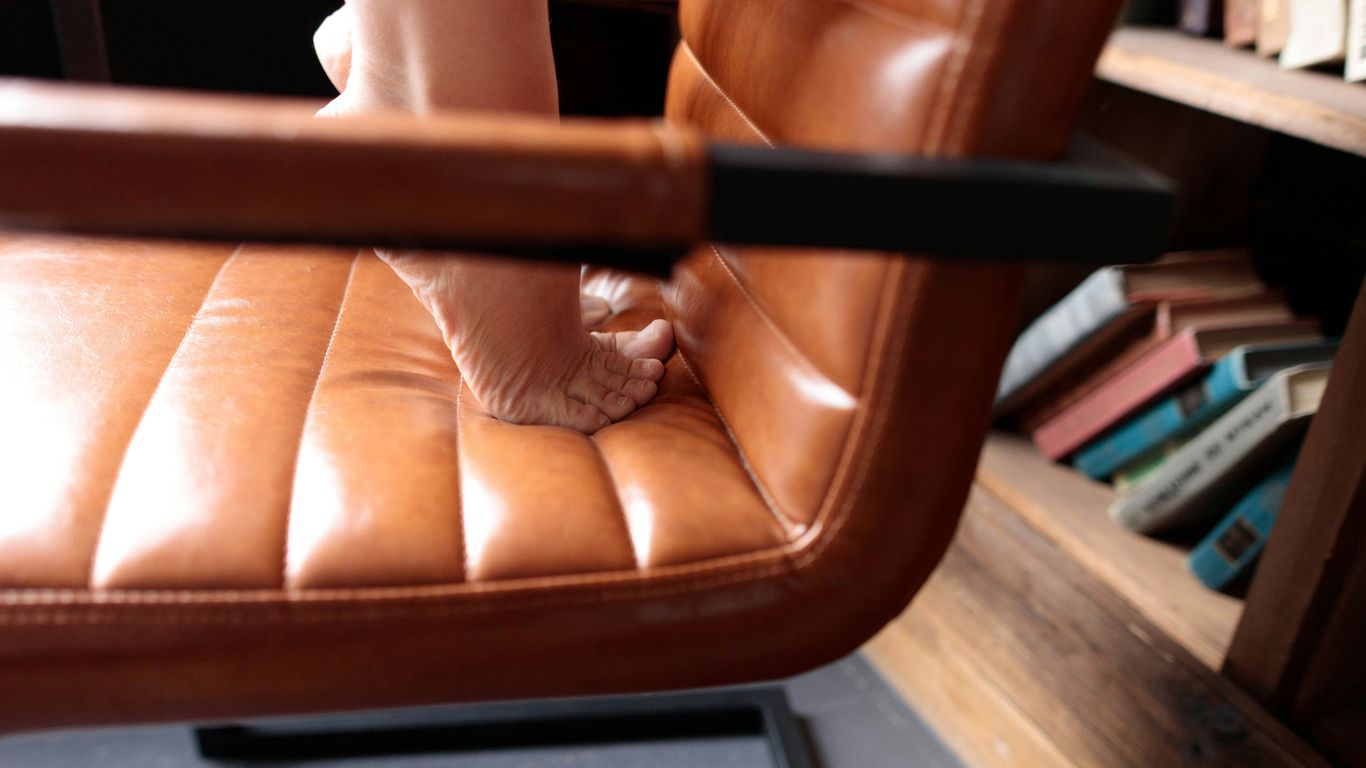
Alright, so you’ve got your chair leg off and you’re ready to put it back on nice and snug. This is where the nut comes into play. Think of it as the final handshake that keeps everything together.
When you’re reattaching the leg, you’ll see a bolt sticking out. The nut is what screws onto this bolt to hold the leg firmly in place. You’ll want to grab the right size socket wrench for this job – we talked about that earlier, remember?
Make sure you don’t crank down on the nut too hard. Seriously, just snug it up. Overtightening can cause a few problems. It might strip the threads on the bolt, making it impossible to tighten properly next time. Even worse, it could crack the wooden part of the chair where the bolt goes through. We’re aiming for a secure fit, not a wrestling match.
Here’s a quick rundown:
- Find the correct size socket for your nut.
- Thread the nut onto the bolt by hand as far as it will go.
- Use the socket wrench to tighten it until it feels firm, but not forced.
Remember, the goal is to make the chair stable again. A little bit of tightness goes a long way. If it feels like you’re going to break something, you probably are. Ease up!
Once that nut is snug, your chair leg should feel much more secure. It’s a small piece, but it does a big job!
8. Sandpaper
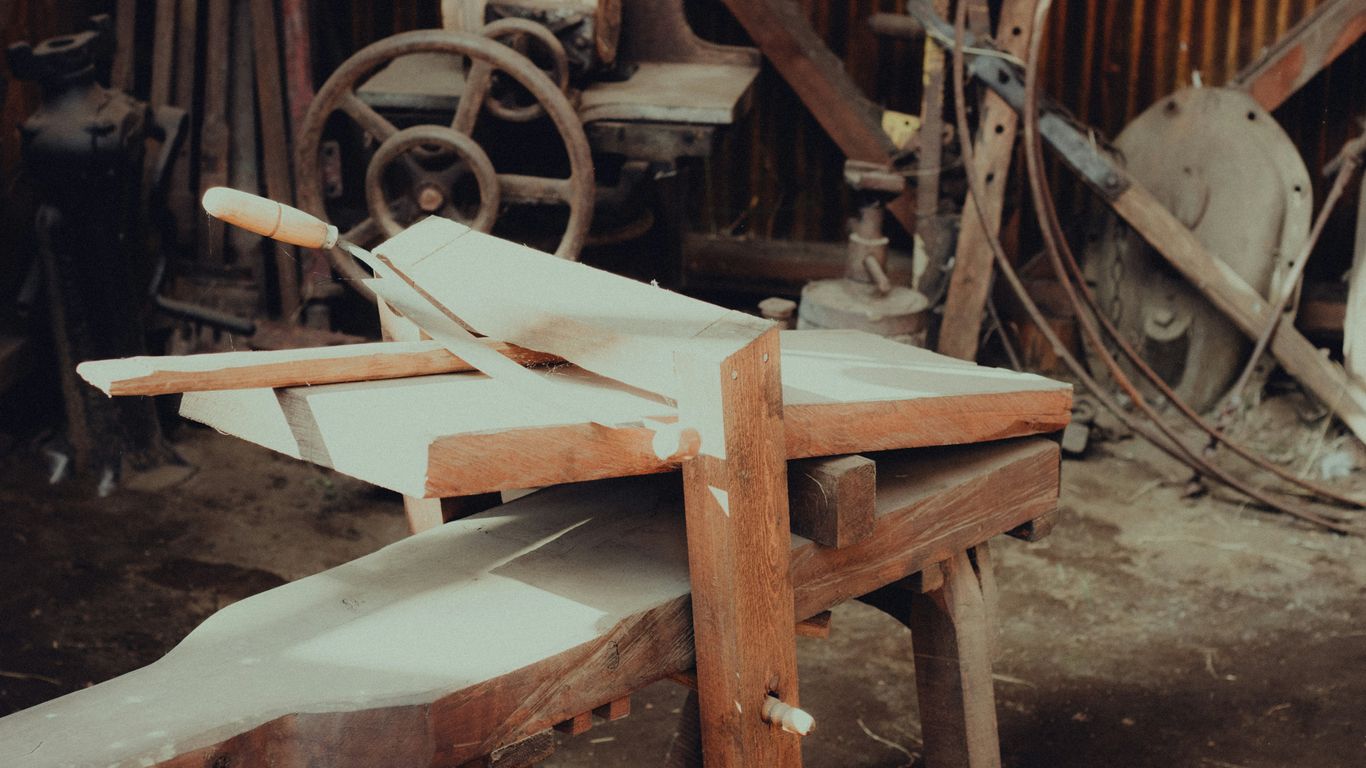
Alright, so you’ve got your chair parts all glued up and maybe a little bit messy. That’s where sandpaper comes in! Think of it as your trusty sidekick for smoothing things out. You don’t need anything fancy here, just a good old sheet of sandpaper.
You’ll want to grab some medium-grit sandpaper, maybe around 80 to 120 grit. This is perfect for knocking down any dried glue drips or rough spots without being too aggressive. If you’ve got a particularly stubborn bit of glue, a coarser grit might help, but be gentle! You don’t want to sand away the good wood.
Here’s how to use it:
- Clean up the glue: Gently rub the sandpaper over any dried glue squeeze-out. The goal is to remove the excess glue, not to sand down the chair leg itself.
- Smooth rough edges: If any of the wood pieces you worked with feel a bit splintery or rough, give them a light sanding to make them smooth to the touch.
- Prepare for finishing (optional): If you plan on painting or staining your chair after the repair, a light sanding all over can help the new finish stick better. Just a quick once-over is usually enough.
Remember, sandpaper is great for smoothing, but it can also remove material. Use it with a light touch, especially around your repair area, to keep everything looking neat and tidy.
9. Diagonal Clippers
Diagonal clippers are one of those tools you might forget about until you really need them. When you’re fixing a wobbly chair, they come in handy to trim off any excess wood—like dowels or toothpicks—that you’ve shoved into loose screw holes and glued in place. It might not seem like a big deal, but that extra bit sticking out can mess up how your chair sits on the floor.
Here’s exactly how you can use diagonal clippers when fixing up your wobbly chair:
- Let the wood glue set, usually about 5-10 minutes, so your repair is nice and solid.
- Use your diagonal clippers to snip any extra dowel or toothpick sticking out from the leg. Get as close to the surface as you can.
- Check for any rough edges or splinters—sometimes they sneak up on you. You might want to go over it lightly with sandpaper.
Keeping your fix flush with the chair’s surface makes everything look tidy and helps the leg sit steady.
And hey, don’t forget your safety glasses! When you’re clipping these little wooden pieces, sometimes they fly off. No one wants a splinter in their eye. If you’re balancing out all the legs after tightening fasteners, measuring diagonally can help like in this tip about how to measure the frame diagonally for outdoor furniture, but the idea works with most chairs too.**
Diagonal clippers might seem simple, but using them right can save you from a wonky, uneven seat.
10. Safety Glasses
Alright, we’re almost done! Just a couple more steps and your chair will be good as new. Now, before we get to the very last bit of trimming, it’s super important to put on your safety glasses. Seriously, don’t skip this part.
When you’re trimming off that excess wood dowel or toothpick, little bits can fly off. It’s like a mini wood confetti party, but you really don’t want those bits flying into your eyes. It only takes a second to pop these on, and it’s a simple way to keep your eyes safe.
Think of them as your trusty sidekick for this final flourish. They’re lightweight, usually pretty cheap, and make a big difference in keeping you out of the ‘ouch’ zone. So, grab ’em, put ’em on, and let’s finish this up right!
- Protect your eyes from flying debris.
- Prevent potential eye injuries.
- A simple step for a safer DIY experience.
You Did It!
And there you have it! Your chair is no longer doing the wobble dance. See? Fixing that wobbly chair wasn’t so bad, right? You saved yourself some cash and gave that chair a new lease on life. Now you can sit back, relax, and enjoy your nice, sturdy seat. Who knew you had it in you? Pretty cool, huh?