
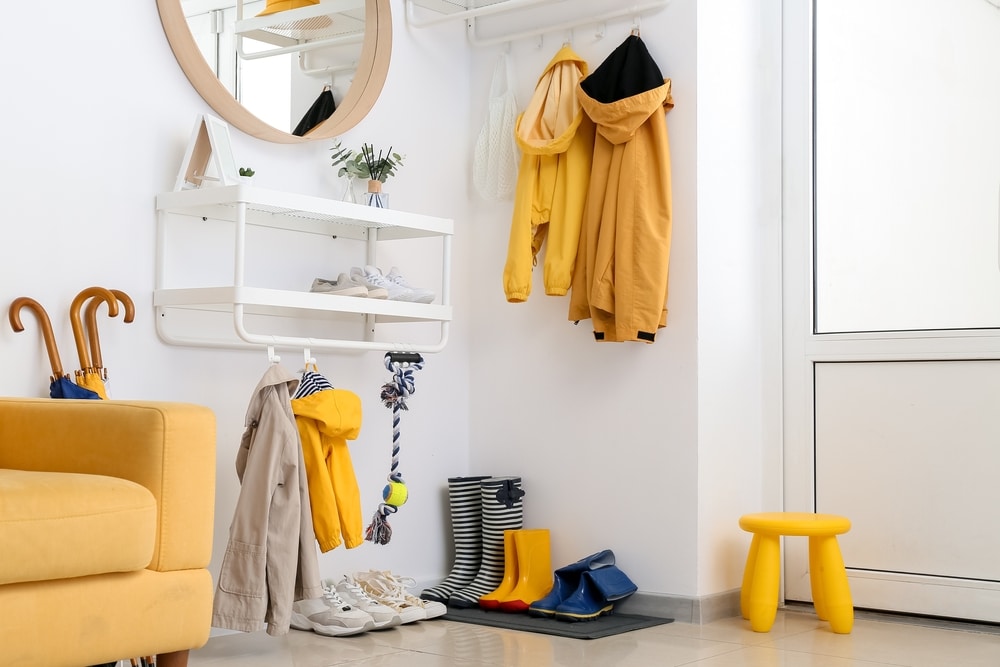
Entryways are supposed to be simple. You come in, you drop a few things, you move on. And yet, for many homes, the entryway becomes a permanent mess zone—shoes piled up, bags stacked on chairs, mail scattered across any flat surface. No matter how often it’s cleaned or reorganized, it seems to overflow again almost immediately. The problem usually isn’t effort or discipline. It’s that the entryway storage was never set up to handle real life.
An entryway is one of the hardest-working spaces in a home. It absorbs everything coming in and going out. It deals with rush, distraction, weather, kids, pets, and habits formed on autopilot. When storage doesn’t match those realities, clutter isn’t a failure—it’s an inevitable outcome.
This article breaks down why entryway storage so often overflows, and how to set it up in a way that actually holds up day after day, without constant resetting.
Why Entryway Storage Fails So Easily
Most entryway storage systems are designed for ideal behavior, not real behavior. They assume shoes will be paired neatly, bags will be hung carefully, and items will be sorted immediately. In reality, people are tired, rushed, or distracted when they enter the house.
The entryway is also a transition space, not a destination. People don’t linger there. They don’t want to make decisions there. That means any storage system that requires extra steps or thought will eventually be ignored.
Overflow happens when entryway storage asks too much of the people using it. The fix isn’t stricter rules—it’s smarter design.
The Real Job of Entryway Storage
Before choosing shelves, hooks, or benches, it helps to redefine what entryway storage is actually for. Its job is not to store everything permanently. Its job is to catch items temporarily and guide them to their next step.
Shoes aren’t meant to live forever in the entryway. Neither are bags, mail, or jackets. The entryway is a buffer zone. It needs to manage flow, not hoard items.
When storage is designed with this purpose in mind, overflow becomes much less likely.
Why “More Storage” Often Makes the Problem Worse
A common response to cluttered entryways is to add more storage. More hooks, more shelves, bigger cabinets. While this feels logical, it often backfires.
When entryway storage expands without clear limits, it invites accumulation. Items that should move on stay put because there’s space for them. Shoes multiply. Bags linger. Seasonal items mix with daily ones.
Overflow isn’t always caused by too little storage. It’s often caused by storage that’s too forgiving.
The Importance of Clear Categories
Entryway storage works best when categories are obvious and limited. Shoes go here. Bags go there. Keys live in one specific spot. When categories are vague or overlapping, items drift.
For example, a bench that holds shoes, bags, mail, and random items quickly becomes a catch-all. It looks useful at first but fills up fast because nothing has a defined boundary.
Clear categories act like invisible walls. They tell items where they belong and, just as importantly, where they don’t.
Designing Storage for Daily Use Only
One of the most effective ways to prevent overflow is to design entryway storage exclusively for daily-use items. Anything not used at least several times a week doesn’t belong there.
This includes seasonal shoes, backup bags, sports gear used occasionally, and items waiting for donation or return. These things feel convenient to keep near the door, but they quietly crowd out what actually needs to be there.
Daily-use-only storage stays functional because it naturally limits volume.
Why Shoe Storage Is the Biggest Trouble Spot
Shoes are usually the first thing to overwhelm an entryway. They’re bulky, irregular, and often used by multiple people. Traditional shoe racks often fail because they assume people will pair and place shoes neatly every time.
Entryway storage for shoes works best when it allows for imperfect behavior. Open storage that lets shoes slide in quickly without stacking or precise alignment is far more sustainable.
When shoe storage requires too much effort, shoes end up everywhere else instead.
Managing Bags Without Letting Them Take Over
Bags are another major source of overflow. Backpacks, purses, tote bags, gym bags—they all tend to land in the entryway because they’re used in transition.
The mistake is giving bags unlimited space. When there’s room for every bag someone owns, they all end up there.
Effective entryway storage limits bag space intentionally. Only the bags currently in rotation should have a spot. Everything else belongs elsewhere.
This simple constraint prevents buildup without requiring constant policing.
Why Hooks Work Better Than Shelves for Entryways
Shelves look tidy in photos, but hooks often perform better in real life. Hanging something requires less precision than placing it neatly on a shelf.
Entryway storage that relies heavily on shelves tends to overflow because items get stacked, forgotten, or pushed aside. Hooks keep items visible and accessible, which encourages movement instead of accumulation.
Visibility is a powerful tool in keeping storage from overflowing.
The Role of Drop Zones (And Why They Must Be Small)
Every entryway needs a drop zone for small items like keys, phones, wallets, or mail. But this zone must be intentionally limited.
Large surfaces invite clutter. Small surfaces force decisions. A compact tray or narrow shelf naturally caps how much can accumulate before it needs attention.
The goal isn’t to eliminate drop zones—it’s to prevent them from becoming permanent storage.
How Mail Quietly Wrecks Entryway Storage
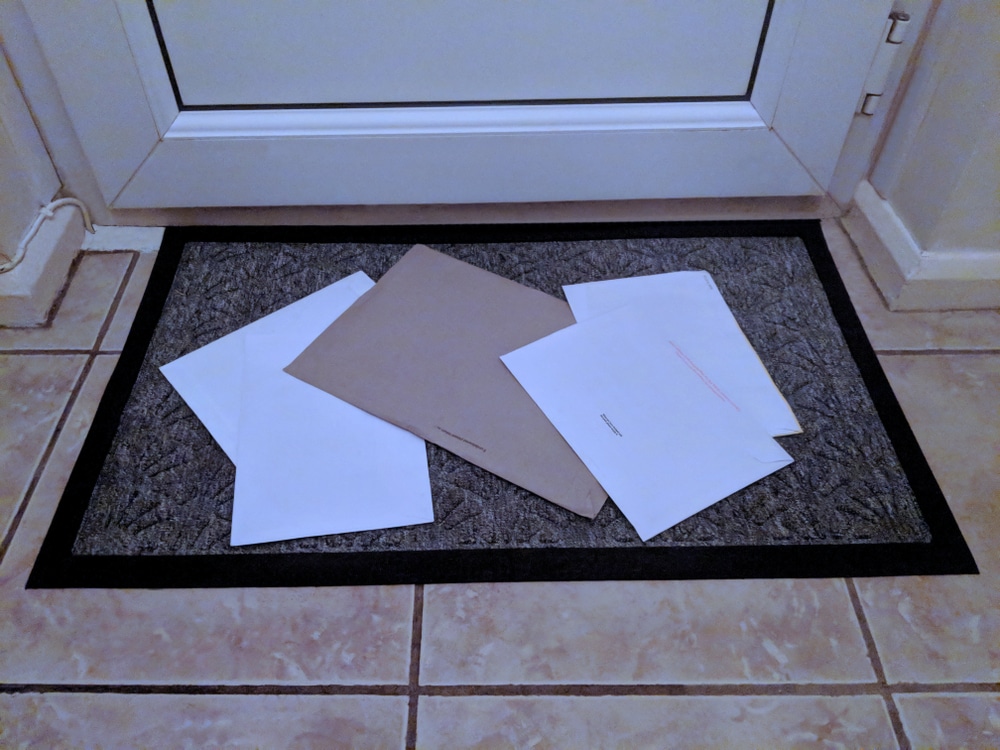
Mail is one of the sneakiest contributors to overflow. It arrives daily, requires decisions, and doesn’t feel urgent until it piles up.
When entryway storage doesn’t include a clear, limited place for mail, it spreads quickly to other surfaces. When it does include one—but without rules—it piles up there instead.
The key is treating mail as a short-term visitor, not a resident. Entryway storage should support that mindset.
Why Closed Storage Isn’t Always Better
Closed cabinets can hide clutter, which feels like a win—until they overflow silently. When items disappear behind doors, they’re easier to forget and harder to manage.
Entryway storage benefits from a mix of open and closed elements. Open storage keeps daily items visible and moving. Closed storage can handle less frequent items, but only if it’s limited and intentional.
Too much hidden space often leads to delayed overflow instead of prevention.
Setting Physical Limits to Prevent Creep
Overflow happens gradually. One extra pair of shoes. One more bag. One extra stack of mail. Without physical limits, these additions go unnoticed until the space feels unmanageable.
Good entryway storage builds in stopping points. Only so many hooks. Only so much shoe space. Only one mail tray.
When the space fills up, it signals that something needs to move on. That signal is essential for long-term function.
Why Entryway Storage Must Be Easy to Reset
No system stays perfect. What matters is how easy it is to reset. Entryway storage should allow for quick, low-effort resets that don’t feel like chores.
If restoring order takes more than a few minutes, it won’t happen regularly. Systems that rely on folding, sorting, or stacking tend to fail for this reason.
Simple, forgiving storage makes resets automatic instead of overwhelming.
How Households with Multiple People Avoid Overflow
Shared entryways add complexity. Multiple people mean multiple habits, schedules, and items. Entryway storage needs to reflect that reality.
Assigning clear zones—even loosely—helps prevent overlap. When everyone knows where their daily items go, clutter is less likely to mix and spread.
The goal isn’t strict enforcement. It’s reducing friction and confusion.
Why Entryway Storage Is a Flow Problem, Not a Tidiness Problem
Most overflowing entryways aren’t messy—they’re congested. Items enter and never leave because the system doesn’t encourage movement.
Good entryway storage supports flow. Items come in, pause briefly, then move on to their next home. When flow stops, overflow begins.
Designing for flow changes how the space functions entirely.
Seasonal Adjustments Matter More Than People Think
Entryway needs change with seasons. Boots replace shoes. Coats get heavier. Accessories multiply. Storage that works in summer may fail in winter.
Successful entryway storage adapts. It doesn’t stay frozen year-round. Rotating items seasonally prevents overflow without requiring more space.
This adjustment is often the missing piece in otherwise good systems.
How to Know If Your Entryway Storage Is Working
A working system doesn’t stay perfectly tidy. It stays manageable. Items return to their spots naturally. Overflow doesn’t happen suddenly or dramatically.
If you can reset your entryway quickly and find what you need without effort, the storage is doing its job.
If clutter constantly reappears despite regular cleaning, the system—not the people—needs adjustment.
Common Entryway Storage Mistakes to Avoid
One common mistake is storing “just in case” items in the entryway. Another is using deep storage that hides problems instead of solving them. Over-decorating the space can also reduce usable storage and increase frustration.
Entryway storage should prioritize function over appearance. When function is right, the space usually looks better anyway.
Why Less Storage Often Works Better
This may sound counterintuitive, but reducing storage often improves entryway organization. Less space forces better decisions. It prevents accumulation. It keeps items moving.
When entryway storage is intentionally constrained, it becomes self-regulating. Overflow becomes visible early, when it’s easy to address.
More storage isn’t the answer. Better limits are.
Entryway Storage That Respects Real Life
An entryway will never be perfect. It doesn’t need to be. It needs to work under pressure, during busy moments, and with imperfect habits.
Entryway storage that doesn’t overflow is designed around reality, not ideals. It limits what stays, supports easy behavior, and encourages flow instead of accumulation.
When the system matches how people actually live, clutter stops feeling like a personal failure—and starts feeling manageable. A calm entryway isn’t about doing more. It’s about setting things up so less effort is required every day.