
Some DIY projects have terrible PR. They look complicated, technical, and way out of reach for “normal people.” You see a finished result online and immediately assume it required professional tools, advanced skills, and an entire weekend of frustration. In reality, many of the most impressive-looking upgrades fall into the category of easy DIY projects — they just look intimidating because we’re not used to seeing the simple steps behind them.
This disconnect is why so many people underestimate what they’re capable of at home. They don’t lack skill. They lack context. When you only see the final result, your brain fills in the blanks with difficulty, risk, and effort. But once you understand how these projects actually work, the fear drops away fast.
This article is about those exact projects. The ones people assume are “too hard,” but turn out to be surprisingly manageable once you look a little closer.
Why Some DIY Projects Seem Harder Than They Are
A big reason DIY feels intimidating is that we’re exposed almost exclusively to polished outcomes. Finished kitchens, perfect shelves, crisp accent walls — rarely the messy, straightforward process in between. Without seeing the steps, the brain assumes complexity.
Another factor is language. DIY content often uses terms that sound technical even when the task itself isn’t. Words like “install,” “mount,” or “upgrade” trigger caution, even when the actual action is just measuring, drilling a few holes, or tightening screws. Easy DIY projects get mislabeled as advanced simply because of how they’re described.
There’s also fear of permanence. Many people avoid projects not because they’re hard, but because they’re afraid of doing something irreversible. Once you realize how forgiving most of these projects are, the hesitation fades quickly.
The Illusion of Skill Versus the Reality of Steps
Most DIY success has less to do with skill and more to do with following a sequence. If you can measure, align, and take your time, you can complete far more projects than you think. Easy DIY projects often succeed because they’re built around repetition and simple actions rather than expertise.
Mistakes are also far less catastrophic than people imagine. Holes can be filled, paint can be repainted, and hardware can be swapped again. DIY rarely fails because someone “wasn’t good enough.” It fails because expectations were unrealistic or rushed.
Once you accept that progress matters more than perfection, these projects become far less intimidating.
DIY Project #1: Installing Floating Shelves
Floating shelves look sleek and architectural, which makes them seem complicated. In reality, installing them usually involves finding studs or anchors, leveling a bracket, and tightening screws. The visual payoff is huge compared to the effort required.
This is one of those easy DIY projects where patience matters more than strength or skill. Taking time to measure and level properly does most of the work for you. Once installed, the shelf instantly changes how a room feels, making it look more intentional and designed.
DIY Project #2: Replacing Light Fixtures or Lampshades
Lighting upgrades often sound electrical and therefore dangerous, but many changes don’t involve wiring at all. Swapping lampshades, updating plug-in fixtures, or replacing basic ceiling fixtures with clear instructions is far more approachable than it seems.
Because lighting affects mood so strongly, this project delivers an immediate transformation. It’s a classic example of an easy DIY project that looks far more advanced than it actually is once you see how few steps are involved.
DIY Project #3: Painting Doors, Trim, or an Accent Area
Full-room painting feels overwhelming, but targeted painting is a completely different experience. Doors, trim, or a single wall can be refreshed in a short amount of time, with minimal disruption.
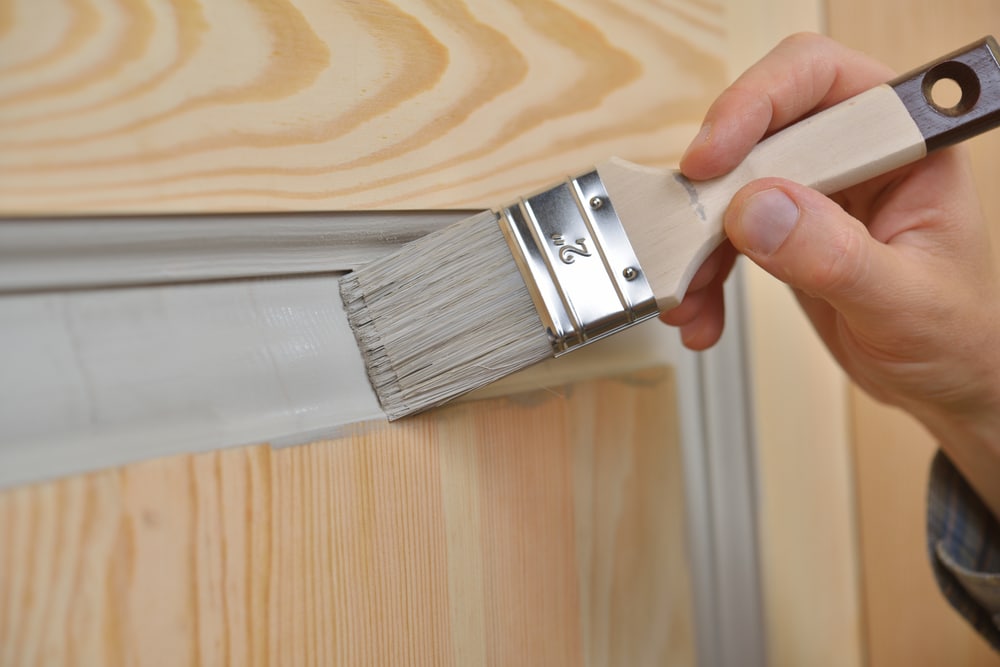
This project looks hard because it feels permanent, but paint is one of the most forgiving materials in DIY. If you don’t love the result, you can change it. That flexibility makes painting one of the safest and most impactful easy DIY projects around.
DIY Project #4: Updating Cabinet Hardware
Cabinet hardware upgrades are often dismissed as too fiddly or time-consuming, but they’re among the simplest projects you can do. Removing old hardware and replacing it with new pieces requires basic tools and minimal precision.
Because hardware sits at eye and hand level, the change is immediately noticeable. This makes it one of those easy DIY projects where the reward far outweighs the effort.
DIY Project #5: Adding Peel-and-Stick Wall Features
Peel-and-stick materials have improved dramatically, yet many people still associate them with cheap or unreliable results. Modern versions are designed to be repositioned and removed, which makes them incredibly forgiving.
These projects look complex because they create bold visual impact, but the process itself is slow, careful placement rather than technical skill. It’s another example of how easy DIY projects often rely on patience instead of expertise.
DIY Project #6: Installing Simple Storage Solutions
Storage upgrades often sound like construction, but many systems are designed specifically for DIY installation. Hooks, rails, and modular storage pieces usually require little more than basic alignment and fastening.
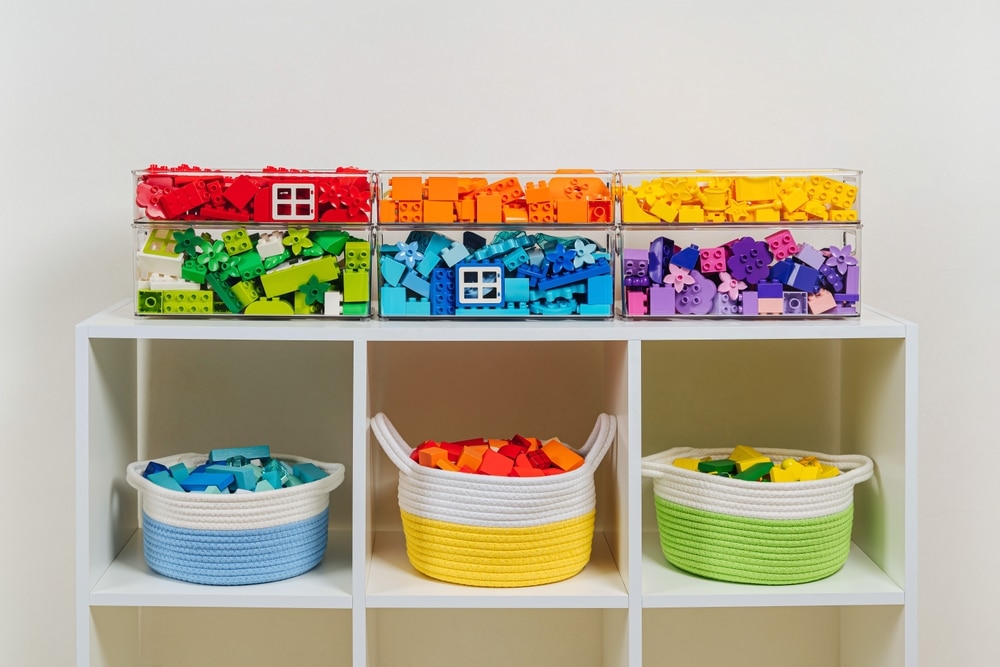
Because these upgrades improve function as well as appearance, they tend to feel especially satisfying. Easy DIY projects that solve daily annoyances often become favorites for that reason alone.
DIY Project #7: Refreshing Furniture With Paint or New Hardware
Furniture makeovers look dramatic because the before-and-after contrast is so strong. The actual process, however, is usually straightforward. Cleaning, light sanding, and painting follow a predictable sequence that’s easy to learn.
This is one of those easy DIY projects where imperfections often add character rather than ruin the result. The pressure to be flawless disappears once you realize that the goal is improvement, not factory perfection.
DIY Project #8: Installing Wall Hooks or Racks
Wall-mounted hooks and racks look like structural upgrades, but they’re typically simple installations. Once you’ve measured placement and secured them properly, the project is done.
Because these upgrades immediately reduce clutter, the impact feels larger than the effort. It’s a practical example of an easy DIY project that improves daily life without demanding much in return.
Why These Easy DIY Projects Feel So Rewarding
The satisfaction from these projects comes from disproving your own assumptions. You expect stress, difficulty, or regret, and instead you get completion and confidence. That emotional shift is powerful.
Each finished project expands what you believe you can handle next. DIY stops feeling like a category reserved for “handy people” and starts feeling like a set of learnable actions anyone can attempt.
Because easy DIY projects don’t require huge investment or commitment, they encourage experimentation. That mindset makes home improvement feel lighter and more playful.
Common Reasons People Avoid DIY (Even When It’s Easy)
Fear of making mistakes is the biggest barrier. But most DIY mistakes are fixable, and many are invisible once the project is complete. The cost of avoiding the project often outweighs the cost of fixing a small error.
Another barrier is over-preparation. Watching endless tutorials and reading conflicting advice can make even simple projects feel complicated. In many cases, starting with clear instructions and learning as you go works better.
Waiting for confidence before starting is another trap. Confidence usually comes after finishing, not before.
How to Choose Your First “Looks Hard” DIY Project
The best first project is one that mildly annoys you now. Fixing something you interact with daily creates immediate positive feedback. That feedback builds motivation far more effectively than choosing a project just because it looks impressive.
Projects that are easy to undo also make great starting points. When reversibility is high, fear drops dramatically. That’s why so many easy DIY projects feel safe once you understand them.
Hard-Looking Doesn’t Mean Hard
Many of the most impressive home upgrades are built on simple actions repeated carefully. They look difficult because we rarely see the steps, not because they require special talent.
Easy DIY projects prove that improvement doesn’t have to be intimidating. With patience, basic tools, and realistic expectations, you can accomplish far more than you think.
Sometimes the hardest part of DIY isn’t the project itself. It’s believing you can start.