

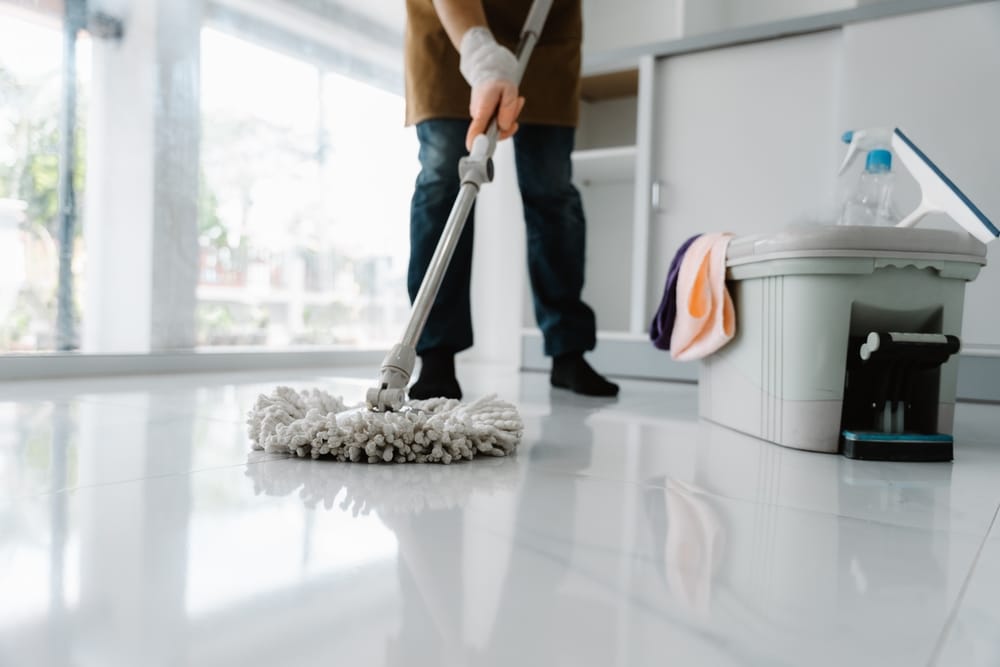
Tile floors are loved for their durability, shine, and easy maintenance. But over time, even the most beautiful tiles can start to look dull and hazy. If your once glossy surface now appears cloudy no matter how often you mop, you are not alone. Many homeowners struggle with this frustrating issue and assume their tiles are permanently damaged. The good news is that in most cases, restoring the shine is completely possible. When you learn how to properly clean your tile floors, understand what causes the haze, and avoid common mistakes, you can bring back that fresh, polished look without replacing a single tile.
What Causes Tile Floors to Look Cloudy?
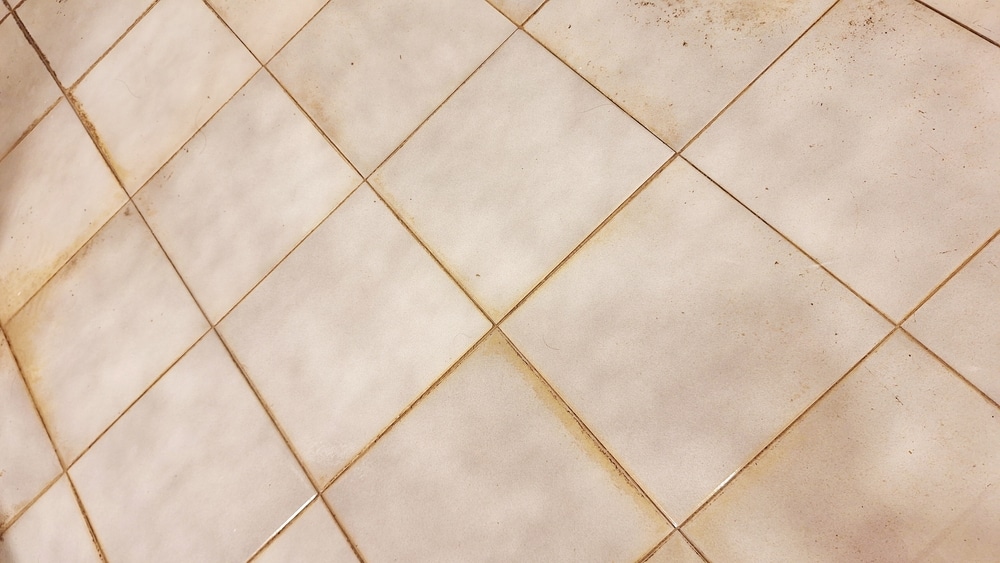
Before you can fix the problem, it helps to understand why it happens. Cloudy tile floors are usually the result of residue buildup. This residue can come from cleaning products, hard water minerals, soap, or even dirt that was not fully removed during mopping.
One of the biggest culprits is using too much cleaner. Many people believe that more product equals cleaner floors. In reality, excess detergent leaves behind a thin film. Over time, that film builds up and creates the cloudy appearance you see. If you regularly clean your tile floors with heavy cleaners and do not rinse thoroughly, this buildup becomes more noticeable.
Hard water is another common issue. Water that contains high levels of minerals like calcium and magnesium can leave deposits behind after it dries. These deposits create a white or gray haze that dulls the surface. In bathrooms and kitchens, this problem is especially common.
Finally, grout residue or improper installation can also contribute. If grout haze was never fully removed after installation, the surface may have looked slightly dull from the beginning.
How to clean your tile floors the right way
If your floors already look cloudy, do not panic. The solution often involves stripping away residue and starting fresh. The key is to clean your tile floors using the right method and the right products.
Start by sweeping or vacuuming thoroughly. Loose dirt and grit can scratch tile during mopping, which only makes dullness worse. Once the surface is free of debris, prepare a gentle cleaning solution. In many cases, warm water mixed with a small amount of mild dish soap is enough.
Mop the floor with a damp, not soaking wet, mop. Too much water can seep into grout lines and create additional problems. After mopping with your cleaning solution, rinse the floor with clean water. This step is crucial. Skipping the rinse is one of the main reasons residue builds up in the first place.
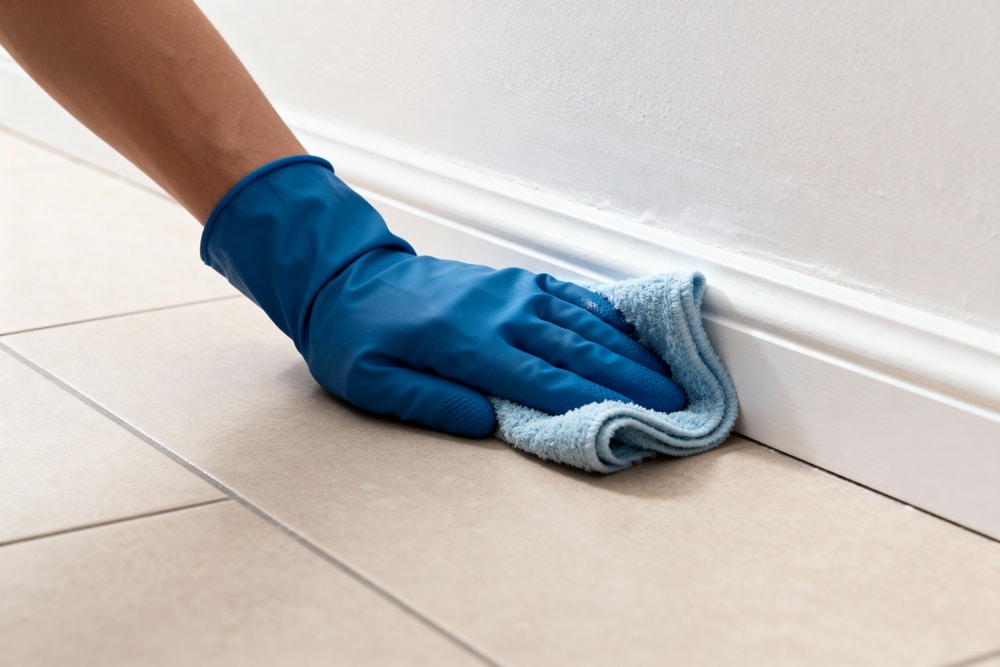
Dry the floor with a microfiber cloth or towel. Allowing water to air dry can leave mineral spots behind, especially in areas with hard water.
If buildup is severe, you may need a stronger approach. A mixture of equal parts white vinegar and water can help dissolve mineral deposits. However, vinegar should not be used on natural stone tiles like marble or travertine, as it can cause damage. Always check what type of tile you have before trying acidic solutions.
Common Cleaning Mistakes That Create Haze
Many homeowners unknowingly make small errors that lead to cloudy floors. One common mistake is using all purpose cleaners that are not designed for tile. These products can leave a sticky residue that traps dirt and dulls the finish.
Another mistake is failing to change mop water frequently. When you mop with dirty water, you are essentially spreading grime around instead of removing it. To truly clean your tile floors, the water should stay as clean as possible throughout the process.
Using too much product is also a frequent issue. Even cleaners labeled as safe for tile can leave buildup if used excessively. Always follow the manufacturer’s instructions and measure carefully.
Finally, neglecting grout can affect the overall appearance. Dirty grout lines make tiles look dull, even if the surface is clean. Scrubbing grout periodically with a soft brush and appropriate cleaner can dramatically improve the look of the entire floor.
Deep Cleaning for Stubborn Cloudiness
If regular cleaning does not solve the issue, it may be time for a deeper treatment. Over time, layers of residue can become compacted and harder to remove with basic mopping.
One effective method is using a baking soda paste. Mix baking soda with a small amount of water until it forms a thick paste. Apply it to problem areas and gently scrub with a soft brush or sponge. This mild abrasive can help lift stubborn buildup without scratching most ceramic or porcelain tiles.
For very persistent haze, commercial tile cleaners specifically designed to remove buildup may be necessary. When you clean your tile floors with these stronger products, it is important to rinse thoroughly afterward to prevent new residue from forming.
Steam mops can also be helpful. The high temperature helps loosen grime and mineral deposits without requiring heavy chemicals. However, check that your tile and grout are properly sealed before using steam, as excessive heat and moisture can sometimes weaken grout over time.
Preventing Cloudy Tile Floors in the Future
Once your floors are restored, prevention becomes the priority. The way you clean your tile floors moving forward will determine whether the cloudiness returns.
First, simplify your cleaning routine. You do not need strong chemicals for regular maintenance. Warm water and a mild cleaner used sparingly are usually sufficient. Always rinse after mopping, even if the cleaner claims no rinse is needed.
Second, dry the floor after cleaning. This small step makes a big difference, particularly in areas with hard water. By removing excess moisture, you reduce the chance of mineral spots forming.
Third, consider using distilled water for mopping if hard water is a major issue in your home. This eliminates mineral deposits altogether.
Regular sweeping also helps. Dirt and sand can create tiny scratches that make tiles look dull. By removing debris frequently, you preserve the smooth surface that reflects light and creates shine.
Understanding Different Tile Types
Not all tiles are the same, and the way you clean your tile floors should depend on the material. Ceramic and porcelain tiles are generally durable and resistant to most household cleaners. They are the easiest to maintain and least likely to be damaged by mild acidic solutions.
Natural stone tiles, on the other hand, require more caution. Marble, limestone, and travertine are sensitive to acidic substances like vinegar. Using the wrong cleaner can etch the surface, making it permanently dull.
Glazed tiles have a protective coating that helps resist stains and moisture. Unglazed tiles are more porous and may need sealing to prevent dirt from penetrating the surface.
Knowing your tile type ensures you choose the safest and most effective cleaning method. When in doubt, consult the manufacturer’s recommendations or test any new cleaner in a small, hidden area first.
When Professional Help Is Worth It
Sometimes, despite your best efforts, the haze persists. In these cases, professional cleaning services may be worth considering. Professionals have access to specialized equipment and solutions that can strip heavy buildup safely.
If grout lines are severely discolored or damaged, regrouting or sealing may be necessary. A professional can assess whether the issue is surface residue or something deeper within the tile or grout.
While most homeowners can successfully clean your tile floors on their own, there is no shame in calling for help when needed. Proper restoration can extend the life of your flooring and protect your investment.
Bringing Back the Shine
Cloudy tile floors are rarely a sign that your flooring is ruined. In most cases, they are simply asking for a reset. By removing residue, adjusting your cleaning routine, and using the right techniques, you can restore clarity and shine.
The key takeaway is consistency and moderation. Use less product, rinse thoroughly, and dry the surface when possible. When you clean your tile floors with care instead of overloading them with chemicals, you allow their natural finish to stand out.
With a little patience and the right approach, your tiles can look as bright as the day they were installed. Maintaining that shine does not require expensive tools or complicated methods, just informed habits and regular attention. Once you develop a smarter routine and continue to clean your tile floors properly, you will likely never see that cloudy haze again.
Do you want more amazing tips to clean your home? Then visit our Cleaning & Maintenance page right here