

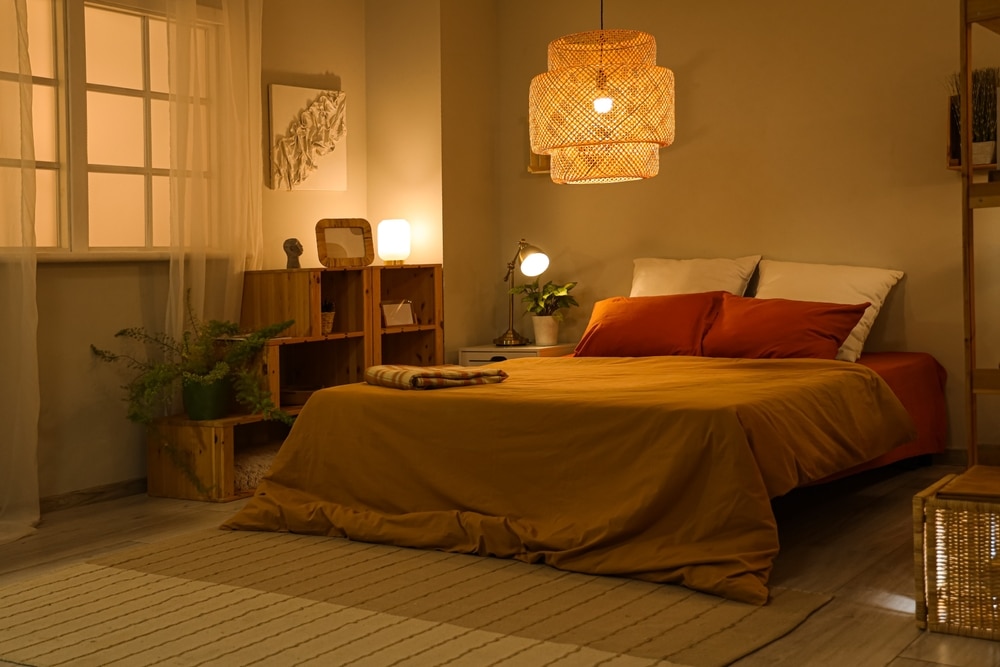
Bedroom lighting has a bigger impact on how a room feels than almost any other design choice. It affects how relaxed you feel at night, how easy it is to wake up in the morning, and whether the room feels calm or slightly uncomfortable without you knowing why. And yet, lighting is often one of the last things people update—usually because it sounds expensive or complicated. In reality, budget bedroom lighting upgrades are some of the easiest and most effective changes you can make, without touching wiring or buying anything fancy.
Lighting doesn’t need to be dramatic to be transformative. Small, thoughtful adjustments can change the entire mood of a bedroom, making it feel warmer, more intentional, and far more comfortable to spend time in. When lighting supports rest instead of fighting it, the room starts working for you instead of against you.
This article breaks down how to update bedroom lighting on a budget, focusing on comfort, atmosphere, and real-life use rather than design trends or technical complexity.
Why Bedroom Lighting Feels Wrong So Often
Many bedrooms technically have enough light, but still feel off. That’s because most bedrooms rely on a single overhead light designed for visibility, not comfort. One bright ceiling fixture may make the room functional, but it rarely makes it relaxing.
Harsh, centralized light creates shadows, flattens the room, and keeps the brain in an alert state. This is the opposite of what a bedroom should do. Budget bedroom lighting improvements work because they shift the focus from “lighting the room” to “supporting how the room is used.”
The goal isn’t more light. It’s better light.
The Difference Between Daylight Lighting and Nighttime Lighting
Bedrooms serve two very different purposes depending on the time of day. During the day, light helps with tasks like getting dressed, cleaning, or reading. At night, light should encourage rest and signal the body to slow down.

Most bedrooms fail because the lighting doesn’t adapt to this shift. Bright, cool-toned lighting that works in the morning feels uncomfortable at night. Soft, warm lighting that’s perfect for evenings can feel insufficient during the day.
Budget bedroom lighting upgrades often focus on layering light so the room can shift easily between these modes without expensive fixtures or complex systems.
Why Layered Lighting Matters More Than Brightness
Layered lighting simply means having multiple light sources at different heights and intensities. Instead of relying on one strong light, the room uses several softer ones.
This approach instantly makes a bedroom feel more comfortable. Light becomes adjustable, not overpowering. Shadows soften. The room feels deeper and calmer.
Layered lighting is one of the most effective budget bedroom lighting strategies because it relies on placement and balance rather than expensive equipment.
How Light Placement Changes How a Bedroom Feels
Where light comes from matters as much as how bright it is. Overhead lighting shines down, which can feel harsh and expose every surface. Lower light sources—near eye level or below—feel more natural and relaxing.
Placing light near bedsides, corners, or walls creates a softer glow that wraps the room instead of flooding it. This makes the bedroom feel intentional and cozy, even if the fixtures themselves are simple.
Thoughtful placement is free. It’s one of the biggest advantages of budget bedroom lighting updates.
The Power of Warm Light in a Rest Space
Light temperature plays a huge role in how the body responds to a space. Cooler light signals alertness. Warmer light signals relaxation.
Bedrooms benefit almost universally from warmer tones in the evening. This doesn’t mean the room has to be dim—it means the light should feel gentle instead of sharp.
Switching to warmer light sources is one of the fastest and most noticeable budget bedroom lighting improvements. The room instantly feels calmer, even if nothing else changes.
Why Overhead Lighting Shouldn’t Do All the Work
Overhead lighting is useful, but it shouldn’t be the only source of light in a bedroom. When it is, the room often feels flat and clinical.
Using overhead light only when needed, and relying on softer sources the rest of the time, changes how the room is experienced. It feels less like a utility space and more like a place meant for rest.
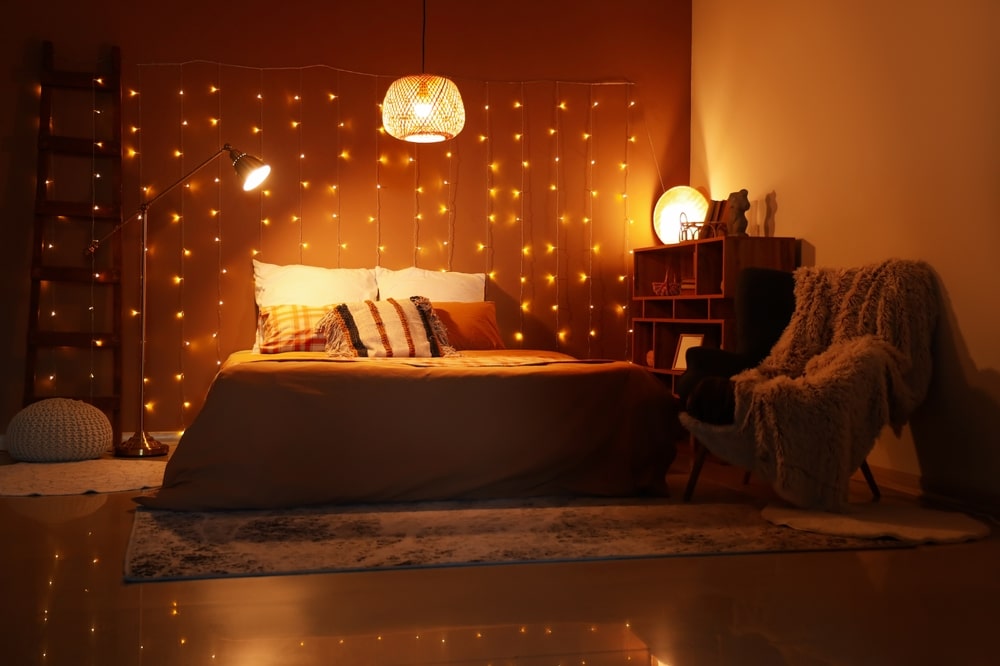
Budget bedroom lighting works best when the ceiling light becomes optional instead of essential.
Using Light to Make a Bedroom Feel Larger
Lighting affects perceived space. Poor lighting can make even a large bedroom feel cramped, while well-placed light can make a small room feel open.
Light directed toward walls or corners creates depth. Shadows soften edges. The eye moves more easily through the space. These effects don’t require new furniture or structural changes.
For smaller bedrooms, budget bedroom lighting upgrades often deliver more impact than layout changes.
Why Soft Shadows Matter
Not all shadows are bad. Harsh shadows create contrast that feels tense. Soft shadows create depth without discomfort.
Soft, diffused light allows shadows to exist without dominating the space. This makes the room feel layered and natural.
Budget bedroom lighting solutions that diffuse light—rather than focusing it—tend to feel more expensive than they are.
Avoiding Lighting That Fights Sleep
One of the most common bedroom lighting mistakes is using light that keeps the brain alert late into the evening. Bright, cool-toned lighting close to bedtime interferes with rest.
Updating bedroom lighting on a budget often means removing friction rather than adding features. Light should help you wind down, not push you to stay awake longer than intended.
When lighting aligns with sleep, the room becomes more restorative without additional effort.
How Bedroom Lighting Affects Mood and Stress
Lighting influences emotional state. Harsh lighting can increase tension. Gentle lighting can reduce it.
Bedrooms are where stress should ease, not accumulate. Budget bedroom lighting improvements often have an emotional payoff that exceeds expectations. People report feeling calmer, more settled, and more comfortable in their space after small lighting changes.
This isn’t aesthetic—it’s psychological.
Why Matching Lighting to Routine Matters
Every bedroom has a rhythm. Some people read at night. Others scroll, journal, or unwind quietly. Lighting should support those habits, not interrupt them.
When lighting aligns with routine, the room feels intuitive. You stop adjusting constantly. You stop tolerating discomfort.
Budget bedroom lighting works best when it responds to how the room is actually used.
The Mistake of Over-Lighting a Bedroom
More light isn’t better in a bedroom. Over-lighting removes contrast and makes the space feel exposed.

A well-lit bedroom still has areas of softness and shadow. That balance is what makes it feel safe and calming.
Budget bedroom lighting upgrades often involve reducing intensity rather than increasing it.
Why Simple Changes Feel So Dramatic
Lighting changes feel dramatic because they alter perception. The walls haven’t moved. The furniture hasn’t changed. But the room feels different.
This contrast makes lighting upgrades feel more impactful than many larger projects. Budget bedroom lighting delivers a high emotional return for relatively little effort.
That’s why people often wish they’d addressed lighting sooner.
Making the Bedroom Feel Finished
Rooms without intentional lighting often feel incomplete, no matter how tidy they are. Lighting provides closure. It ties the room together visually and emotionally.
Once lighting is right, the room feels settled. You stop noticing what’s missing.
Budget bedroom lighting plays a key role in making a bedroom feel done, not just functional.
Avoiding Trend-Based Lighting Choices
Trendy lighting can feel exciting at first but age quickly. Bedrooms benefit from timeless, understated lighting that supports rest long-term.
Budget bedroom lighting choices work best when they prioritize comfort over statement. Quiet solutions age better and adapt more easily as styles change.
Subtle lighting almost always lasts longer than dramatic lighting.
Why Lighting Is the Most Forgiving Upgrade
Lighting is flexible. It’s easy to adjust, move, or replace. Mistakes aren’t permanent. This makes it ideal for budget-conscious updates.
Unlike structural changes or furniture purchases, lighting allows experimentation without long-term commitment.
Budget bedroom lighting invites exploration rather than pressure.
How to Know When Bedroom Lighting Is Working
You’ll know the lighting is right when you stop thinking about it. The room feels comfortable at different times of day. You don’t squint. You don’t feel overstimulated at night.
When lighting supports rest naturally, the bedroom becomes a place you want to be in, not just a place you sleep.
Gain Comfort With Small Changes
Updating bedroom lighting on a budget isn’t about doing more. It’s about doing the right things with intention. Thoughtful placement, warmer tones, and layered light transform bedrooms without requiring expensive upgrades.
Budget bedroom lighting proves that comfort isn’t a luxury. It’s a result of alignment—between light, space, and how you live.
When lighting works with your body instead of against it, the bedroom becomes what it should have been all along: calm, supportive, and quietly restorative.