
Wooden floors bring warmth, texture, and character to a home in a way few other materials can. They age beautifully when treated well—and noticeably when they’re not. Scratches, dull patches, gaps, and discoloration don’t usually appear overnight. They build slowly, through everyday habits that feel harmless at the time. Learning how to maintain wooden floor surfaces properly isn’t about preserving perfection. It’s about slowing wear so the floor continues to look good and feel solid for years instead of aging prematurely.
Wood floors are resilient, but they’re not indifferent. They respond to friction, moisture, sunlight, and pressure every single day. When those forces aren’t managed intentionally, damage accumulates quietly. The good news is that most wear can be prevented with small, consistent choices rather than heavy maintenance or constant refinishing.
This article breaks down how to maintain wooden floors in a realistic, sustainable way—one that protects them without turning floor care into a daily chore.
Why Wooden Floors Wear Faster Than Expected
Most floor damage doesn’t come from accidents. It comes from repetition. Tiny particles of grit dragged under shoes. Repeated pressure in the same walking paths. Moisture left behind just a little too long. Over time, these small actions wear down protective finishes and expose the wood beneath.
Because the damage builds gradually, it’s easy to miss until it becomes obvious. By the time scratches catch the light or boards look dull, the wear has already progressed. Maintaining wooden floor surfaces means interrupting this slow buildup before it becomes visible.
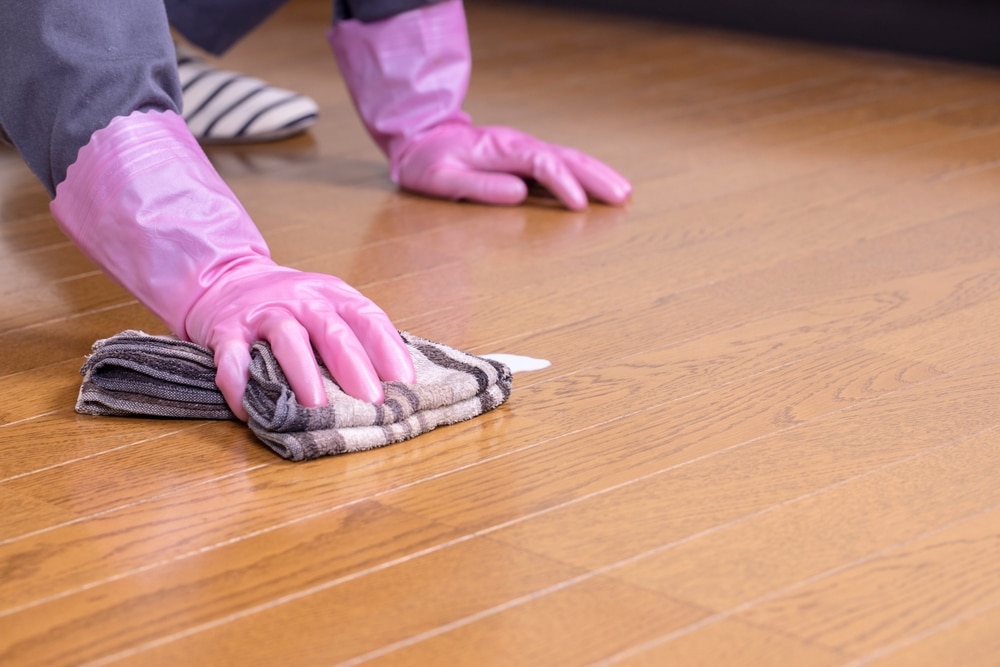
Prevention always costs less effort than repair.
The Difference Between Dirt and Grit
Not all dirt is equal. Dust and soft debris are mostly cosmetic. Grit—tiny hard particles like sand or soil—is what actually damages wooden floors.
Grit acts like sandpaper underfoot. Every step grinds it into the finish, creating micro-scratches that dull the surface over time. These scratches trap more dirt, accelerating wear.
This is why entryways play such a critical role in maintaining wooden floor longevity. Reducing grit at the door protects every room beyond it.
Why Moisture Is Wood’s Quiet Enemy
Wood and water have a complicated relationship. Occasional moisture isn’t catastrophic, but repeated exposure weakens finishes, causes swelling, and can lead to gaps or warping.
Spills that sit too long, damp mopping, or moisture tracked in from outside slowly compromise the floor’s protective layer. Even humidity fluctuations can stress wood over time.
Maintaining wooden floor surfaces means managing moisture proactively, not just reacting to visible damage.
Cleaning Without Stripping the Finish
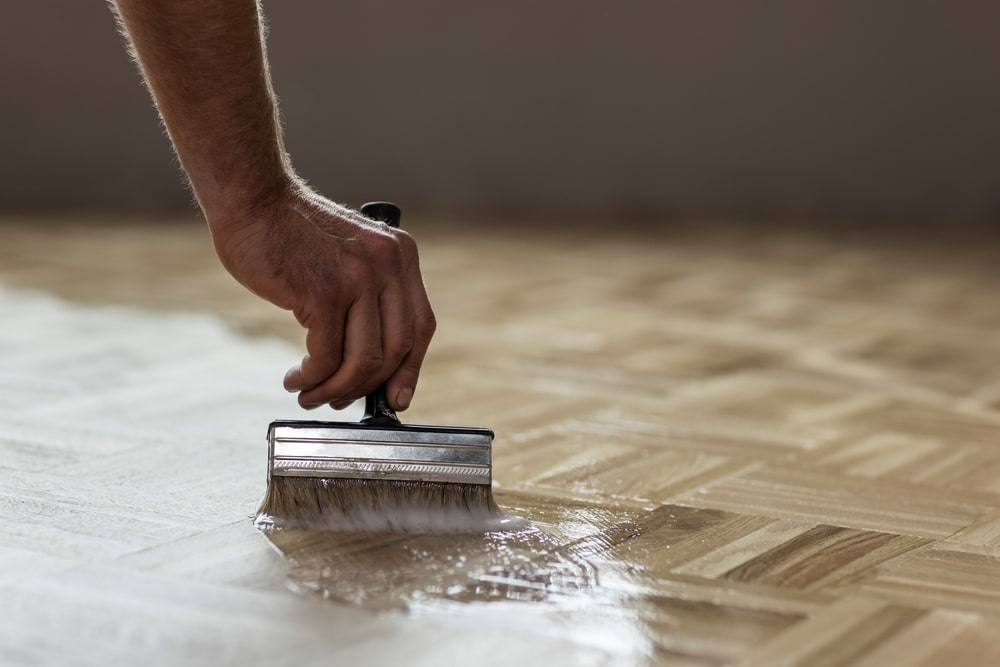
Cleaning is essential, but aggressive cleaning often causes more harm than good. Harsh chemicals, excessive water, or abrasive tools gradually strip protective finishes, leaving wood vulnerable.
Wood floors don’t need to feel squeaky-clean to be clean. Gentle, regular cleaning removes grit and residue without eroding the finish. When finishes stay intact, floors resist wear far longer.
Maintaining wooden floor surfaces is about protecting what’s already there, not scrubbing it away.
Why Foot Traffic Patterns Matter
Every home has natural walking paths. Hallways, doorways, and areas around furniture receive far more foot traffic than the rest of the floor. These zones wear faster because pressure and friction are concentrated.
Ignoring traffic patterns leads to uneven aging. Some areas dull quickly while others remain untouched. Over time, this contrast becomes noticeable and difficult to correct.
Strategic protection in high-traffic areas is one of the smartest ways to maintain wooden floor appearance long-term.
Furniture: The Most Overlooked Source of Damage
Furniture doesn’t need to move often to damage floors. Even stationary pieces can cause wear through micro-movements, pressure, and vibration.
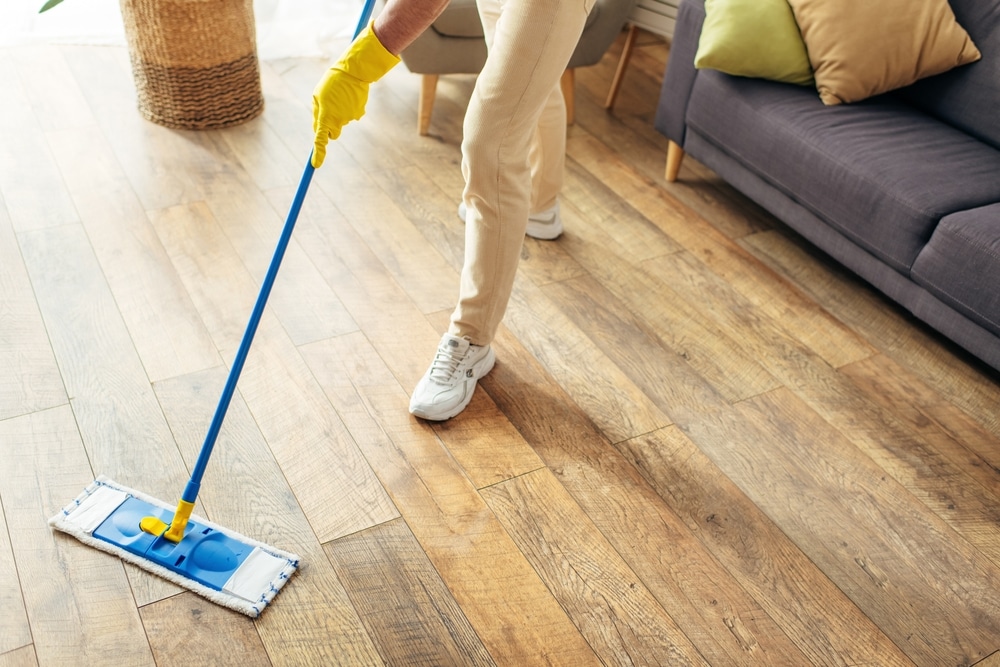
Chairs, tables, and beds shift slightly with use. Without protection, their contact points grind into the floor’s finish. Over time, this creates marks that don’t disappear with cleaning.
Maintaining wooden floor surfaces includes paying attention to what rests on them—not just what moves across them.
Sunlight and Uneven Aging
Sunlight affects wood more than many people realize. Prolonged exposure causes fading and color changes that can be difficult to reverse. Areas near windows often age differently from shaded sections of the same floor.
This uneven aging becomes noticeable when rugs or furniture are moved, revealing darker or lighter patches underneath. While some change is natural, unbalanced exposure accelerates the effect.
Managing light exposure helps wooden floors age more evenly and gracefully.
Why Small Scratches Matter
Tiny scratches may seem cosmetic, but they play a larger role in long-term damage. Scratches break the seal that protects the wood beneath, making it easier for moisture and dirt to penetrate.
As scratches accumulate, the floor becomes harder to keep clean. Dirt clings to damaged areas, which leads to more abrasion and faster wear.
Maintaining wooden floor surfaces means addressing small issues before they multiply.
The Role of Routine Over Occasional Deep Care
Wood floors respond better to consistent, gentle care than to occasional intense maintenance. Waiting until floors look worn before taking action often means the damage is already advanced.
Regular habits—keeping grit under control, managing moisture, and protecting high-contact areas—reduce the need for heavy intervention later.
Routine care preserves both appearance and structural integrity.
Why Over-Maintenance Can Be Just as Harmful
More care isn’t always better. Excessive polishing, frequent refinishing, or overuse of products can create buildup or thin protective layers prematurely.
Wood floors benefit from restraint. Each intervention should serve a purpose, not just respond to anxiety about wear.
Maintaining wooden floor surfaces means knowing when to act—and when to leave them alone.
How Seasonal Changes Affect Wooden Floors
Wood expands and contracts with changes in humidity and temperature. Seasonal shifts stress the material, especially in climates with large fluctuations.
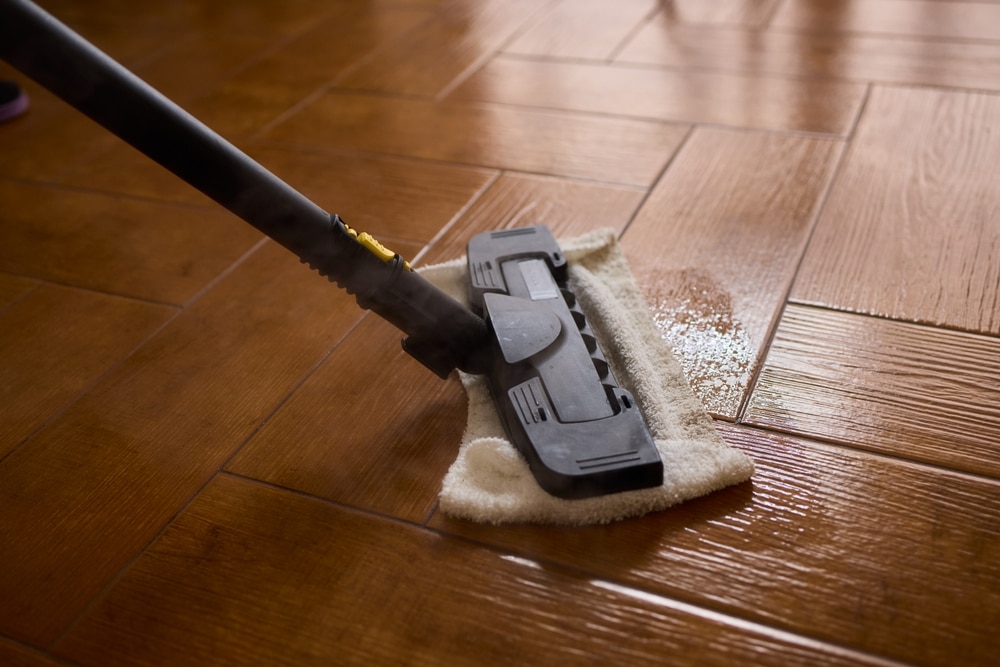
Cracks, gaps, or slight movement are often signs of environmental stress rather than neglect. Supporting stable conditions reduces this stress and helps floors remain structurally sound.
Understanding these cycles helps set realistic expectations and prevents unnecessary worry.
Why Prevention Always Wins
Once wood is worn down, restoring it requires sanding, refinishing, or replacement. These processes are costly, disruptive, and finite—wood can only be refinished so many times.
Preventing wear preserves options. A well-maintained floor retains its protective layers longer and needs fewer major interventions over its lifetime.
Maintaining wooden floor surfaces is ultimately about preserving flexibility and value.
How Floors Affect the Feel of the Whole Home
Floors influence how a home feels more than most people realize. Dull, scratched floors make spaces feel tired. Well-maintained floors make rooms feel cleaner, warmer, and more intentional—even without other upgrades.
Because floors span entire rooms, their condition shapes perception instantly. Maintaining them quietly improves the entire home experience.
This is why floor care often delivers more impact than visible decor changes.
Common Wooden Floor Maintenance Mistakes
Common mistakes include using too much water, relying on harsh cleaners, ignoring entryway grit, dragging furniture, and waiting too long to address minor damage.
These habits don’t feel destructive in the moment, but their effects accumulate steadily over time.
Avoiding them is often enough to dramatically extend floor life.
Knowing When Maintenance Is Working
You’ll know your maintenance approach is effective when floors age evenly instead of unevenly. When cleaning stays easy. When scratches appear slowly instead of suddenly.
Well-maintained wooden floors don’t demand attention. They simply continue to look good without constant effort.
That quiet reliability is the goal.
Care That Pays Off Over Time
Maintaining wooden floors isn’t about keeping them flawless. It’s about helping them age with dignity instead of damage. Small, consistent habits protect finishes, reduce wear, and preserve the character that makes wood floors special in the first place.
When you maintain wooden floor surfaces thoughtfully, you extend their lifespan, reduce long-term costs, and keep your home feeling solid and welcoming.
The best floor care doesn’t draw attention to itself. It works quietly in the background—letting the wood do what it does best: look better with time.