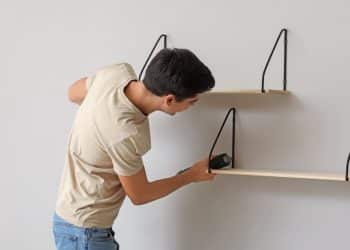

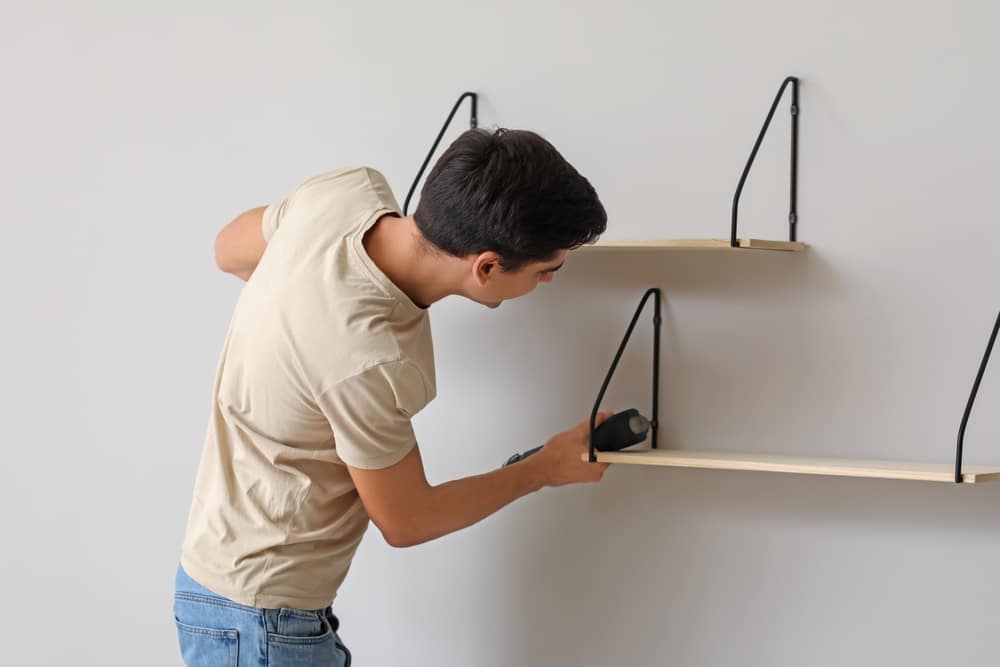
Wall shelves are one of those upgrades that seem simple until you actually think about doing them. On the surface, it feels like a small project. In practice, many people hesitate because they imagine needing specialized tools, perfect measurements, or professional experience. The truth is, most shelves don’t fail because someone lacked professional tools. They fail because the setup didn’t respect how walls, weight, and alignment actually work. With the right approach, you can install wall shelves securely and cleanly using basic tools, without turning the process into a stressful or permanent-feeling ordeal.
Installing shelves isn’t about being handy. It’s about understanding a few fundamentals and letting those guide your decisions. When those fundamentals are respected, the process becomes far less intimidating than it looks.
Why Installing Wall Shelves Feels Harder Than It Is
Wall shelves feel serious because they involve commitment. You’re making holes. You’re fixing something in place. You’re deciding where an object will live long-term. That psychological weight makes the task feel more complex than it actually is.
In reality, installing wall shelves follows a predictable sequence. Walls behave consistently. Hardware behaves consistently. Problems usually arise not from lack of skill, but from rushing or guessing. When people slow down and work deliberately, shelves tend to go up smoothly—even without professional tools.
The challenge is rarely technical. It’s mental.
Understanding What Your Wall Can Handle
Before you install wall shelves, it helps to understand the surface you’re working with. Most interior walls are drywall, plaster, or masonry. Each type can support shelves safely when treated appropriately, but none of them respond well to guesswork.
Drywall is often underestimated. When paired with proper anchors, it can hold a surprising amount of weight. Plaster requires a gentler approach to avoid cracking. Masonry is solid but unforgiving if rushed. None of these surfaces require professional tools to work with, but all of them require patience.
Knowing what your wall is made of removes uncertainty and prevents overcompensation, which is where most mistakes begin.
Why Shelf Choice Matters More Than Tools
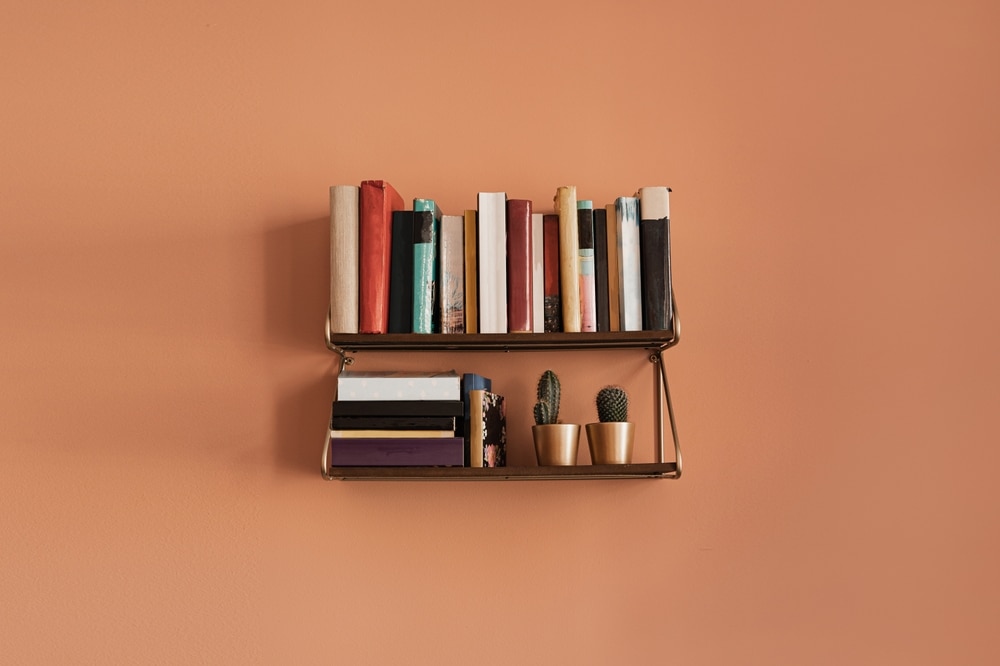
One of the biggest factors in successful installation is the shelf itself. Some shelves are designed to be forgiving. Others assume perfect conditions and professional-grade mounting.
If your goal is to install wall shelves without specialized tools, the design of the shelf matters more than the equipment you use. Shelves with visible brackets tend to distribute weight more reliably and tolerate minor imperfections in alignment. Floating shelves often look cleaner but demand more precision and structural support.
Choosing a shelf that matches your comfort level makes the entire process smoother and more predictable.
The Role of Alignment in Shelf Stability
Crooked shelves don’t just look off—they tend to feel unstable, even when they’re technically secure. This is why alignment is more important than force. Tightening hardware aggressively won’t compensate for poor placement.
When you install wall shelves carefully aligned from the start, the hardware does less work. The shelf sits naturally, weight is distributed evenly, and the wall experiences less stress over time.
Alignment isn’t about perfection. It’s about consistency. A shelf that’s consistently aligned with its surroundings feels intentional, even if the wall itself isn’t perfectly straight.
Why Measuring Is the Real Skill
Most shelf problems can be traced back to rushed measuring. Shelves that feel awkwardly placed, too high, too low, or slightly off-center usually weren’t measured thoughtfully.
Before you install wall shelves, it helps to pause and consider how the shelf will actually be used. Will it be seen up close or from across the room? Will it hold functional items or decorative ones? Will it align with furniture, door frames, or other architectural elements?
When placement responds to context instead of guesswork, shelves feel natural instead of forced.
Installing Shelves Without Overloading the Wall
One common mistake is assuming shelves need to hold more weight than they realistically will. This leads to over-tightening, oversized hardware, or unnecessary stress on the wall.
In reality, most wall shelves carry modest loads. Books, decor, plants, and everyday items rarely push limits when shelves are mounted thoughtfully. The goal isn’t to make the shelf indestructible. It’s to make it stable under real use.
Understanding realistic weight expectations allows you to install wall shelves confidently without resorting to excessive force or professional-grade equipment.
Why Anchors Matter More Than Power
Many people associate shelf security with drilling power or heavy tools. In practice, the type of anchor matters far more than the force applied.
Anchors are designed to distribute weight across a larger area of wall, reducing stress on any single point. When used correctly, they make shelf installation forgiving and reliable, even without hitting studs.
Installing wall shelves successfully often comes down to letting anchors do their job instead of trying to overpower the wall.
The Danger of Rushing the Process
Rushing is the fastest way to create visible mistakes. Misaligned holes, uneven shelves, and damaged wall surfaces usually happen when steps are skipped or compressed.
Installing shelves without professional tools actually benefits from a slower pace. Without high-powered equipment, you’re naturally encouraged to check alignment, adjust placement, and reassess before committing.
This slower rhythm often produces better results than fast, forceful installation.
Why Small Adjustments Make a Big Difference
Shelves don’t need to be reinstalled from scratch to improve. Small adjustments during installation—slight repositioning, minor leveling corrections, or tightening hardware evenly—can dramatically change the final look and feel.
When you install wall shelves thoughtfully, you allow room for these adjustments. You’re not fighting the wall or the hardware. You’re working with them.
That flexibility is what makes basic tools sufficient.
How Shelf Placement Affects the Room
Shelves aren’t just functional objects. They shape how a room feels. Poorly placed shelves can make a space feel cluttered or top-heavy. Well-placed shelves create balance and rhythm.
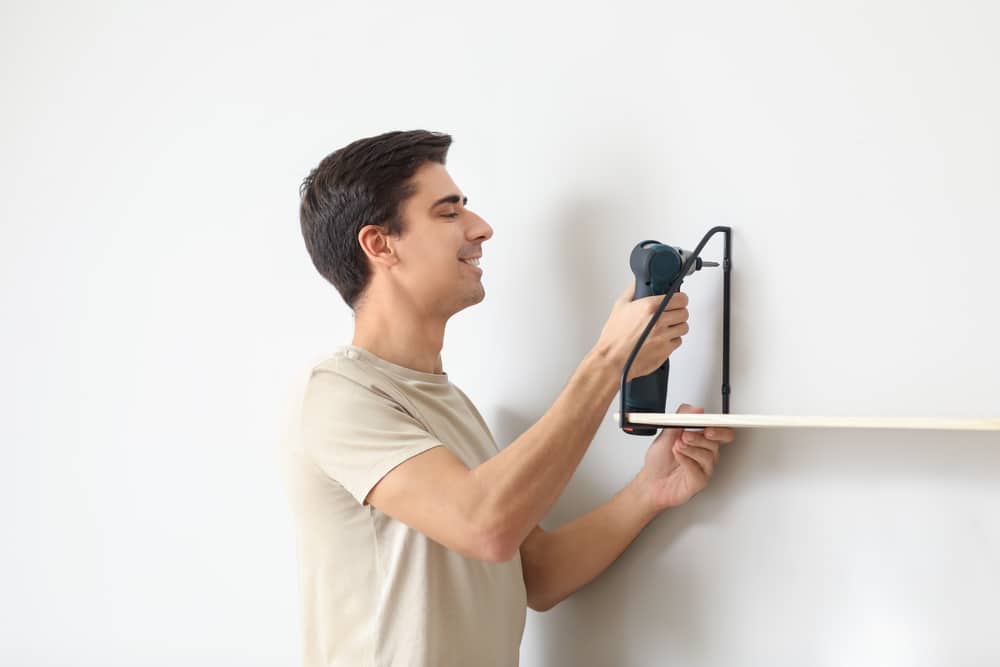
Installing wall shelves with intention means considering spacing, sightlines, and proportion. A shelf that’s too close to the ceiling or too low above furniture can feel awkward, even if it’s mounted securely.
Placement decisions often matter more than installation technique.
Avoiding Common Shelf Installation Mistakes
The most common mistakes include uneven spacing, ignoring wall irregularities, overtightening hardware, and placing shelves without considering use. These errors aren’t caused by lack of tools—they’re caused by lack of pause.
Installing wall shelves successfully requires attention more than strength. When attention is present, mistakes become rare.
Why Basic Tools Are Usually Enough
Professional tools exist to save time, not to guarantee quality. For a small number of shelves, basic tools allow more control and awareness than fast, powerful ones.
When you install wall shelves slowly and deliberately, basic tools become an advantage. You feel resistance, notice alignment changes, and respond before problems compound.
This is why many professional-looking installations are done with surprisingly simple equipment.
Knowing When to Stop Adjusting
Perfection is the enemy of completion. At some point, adjusting a shelf further stops improving it. Knowing when to stop is part of a successful installation.
A shelf that is level, secure, and visually balanced doesn’t need microscopic refinement. Once it feels stable and looks right at a glance, it’s done.
Installing wall shelves well includes trusting the result.
The Confidence That Comes From Doing It Yourself
There’s a quiet confidence that comes from completing a home project without outsourcing it. Installing shelves yourself—even with basic tools—changes how you relate to your space.
You stop seeing walls as fragile or intimidating. You start seeing them as adaptable. That confidence often leads to other small upgrades that feel manageable instead of overwhelming.
Installing wall shelves becomes less about the shelf and more about capability.
Simple Tools, Solid Results
Installing wall shelves without professional tools isn’t about cutting corners. It’s about understanding fundamentals and respecting the process. When alignment, placement, and support are handled thoughtfully, the tools themselves become secondary.
A well-installed shelf doesn’t announce how it was mounted. It simply feels like it belongs. And when that happens, the effort fades into the background—exactly where good DIY work should live.
Sometimes the smartest projects aren’t the ones done with the most equipment. They’re the ones done with the most care.