

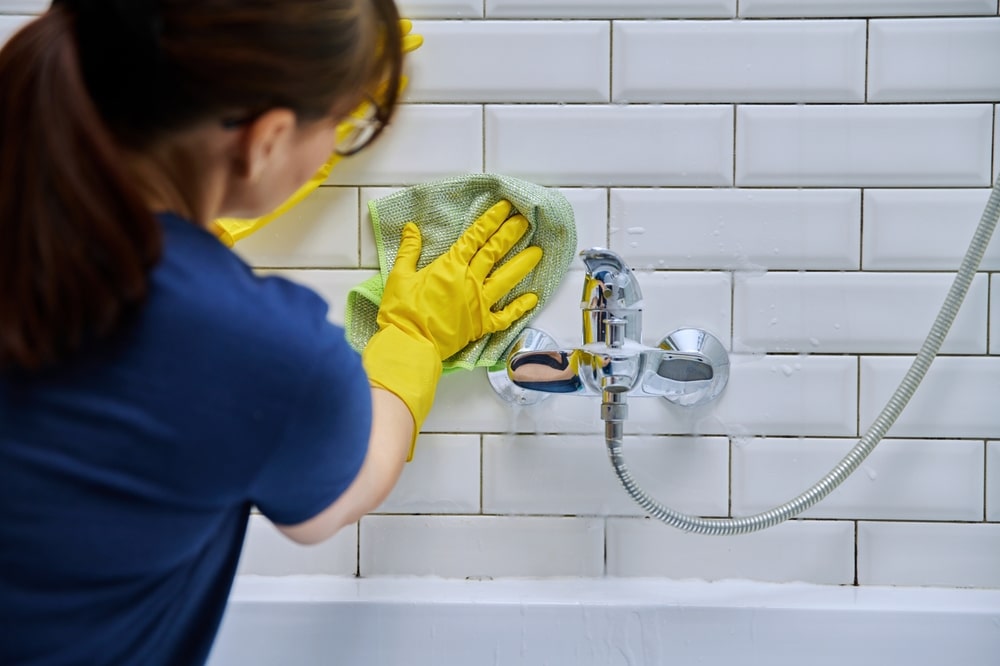
Bathroom tiles are designed to handle moisture, heat, and daily use, yet they’re often the surfaces that make a bathroom feel dirty the fastest. Even when everything else looks fine, dull tiles or darkened grout can make the entire space feel neglected. Learning how to clean bathroom tiles properly isn’t about scrubbing harder or using harsher products. It’s about understanding what actually causes buildup and how to remove it without damaging the surface or turning cleaning into a constant battle.
Tiles and grout behave very differently from smooth surfaces like countertops or glass. They trap residue, hold moisture, and react to cleaning products in ways that aren’t always obvious. When cleaned incorrectly, they don’t just stay dirty—they often get worse over time. The good news is that with the right approach, tiles and grout can stay cleaner for longer with less effort.
Why Bathroom Tiles Get Dirty So Quickly
Bathrooms are the perfect environment for buildup. Warmth, moisture, soap residue, and minerals from water all combine to create films and stains that don’t rinse away easily. Every shower leaves behind a mix of soap scum, skin oils, and minerals that settle onto tile surfaces and into grout lines.
Unlike smooth, sealed surfaces, grout is porous. It absorbs moisture and residue instead of repelling it. That’s why grout darkens long before tiles look dirty. Over time, this absorption leads to discoloration that regular wiping won’t remove.
Understanding this helps explain why cleaning bathroom tiles properly requires more than a quick wipe-down.
The Difference Between Tile and Grout Cleaning
Tiles and grout may sit next to each other, but they shouldn’t be treated the same way. Tile surfaces are usually glazed or sealed, which makes them easier to clean and more resistant to staining. Grout, on the other hand, is rough and absorbent.
When people try to clean bathroom tiles using one method for everything, grout often gets neglected or damaged. Harsh scrubbing that might be tolerable on tile can wear grout down. Gentle cleaners that work on tile may not penetrate grout at all.
Effective cleaning respects the differences between these materials instead of forcing one solution to do everything.
Why Harsh Cleaners Often Make Things Worse
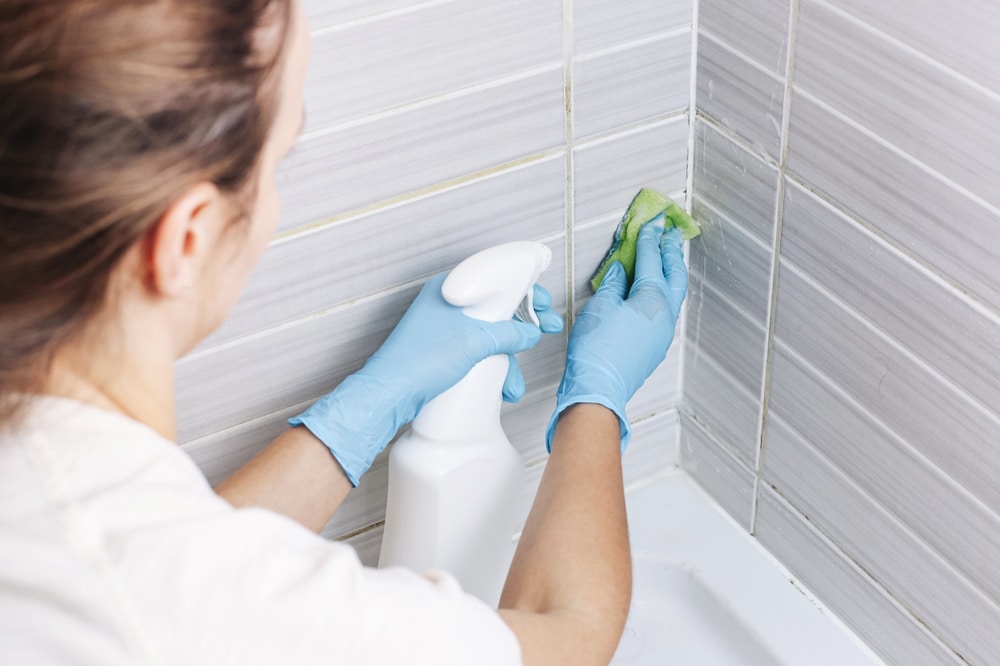
It’s tempting to reach for strong cleaners when tiles and grout look bad, but harsh chemicals can backfire. Many aggressive products strip protective finishes from tiles or weaken grout over time. This makes surfaces more porous, which leads to faster buildup in the future.
Acidic cleaners may remove mineral deposits temporarily, but repeated use can etch tile surfaces and degrade grout. Abrasive powders can scratch tiles, creating tiny grooves where dirt collects more easily.
Cleaning bathroom tiles properly means choosing methods that remove buildup without damaging the surfaces you’re trying to protect.
Preparing the Area Before Cleaning
Before applying any cleaner, it’s important to remove loose dirt and residue. A quick rinse or wipe removes surface debris and prevents you from spreading grime around while cleaning.
This step is often skipped, but it makes a noticeable difference. Cleaners work better when they’re not fighting loose dirt first. Preparation also helps you see where buildup is concentrated, especially in grout lines and corners.
Taking a few minutes to prep the area saves time and effort later.
Using Moisture and Time Instead of Force
One of the most effective ways to clean bathroom tiles is to let moisture and dwell time do the work. Many residues soften when given time to break down, reducing the need for heavy scrubbing.
Applying a cleaner and allowing it to sit briefly gives it time to penetrate soap scum and mineral deposits. This approach is especially helpful for grout, which needs time for cleaning agents to soak in.
Force should be the last resort, not the starting point. The more you rely on time instead of pressure, the less wear you put on tiles and grout.
Clean Bathroom Tiles Without Dulling the Surface
To clean bathroom tiles properly, focus on lifting residue rather than grinding it away. Gentle agitation with a soft brush or cloth is usually enough once buildup has softened.
Pay attention to areas that collect residue fastest, such as around faucets, along edges, and where water pools. These spots often need more frequent attention but not more aggressive cleaning.

Rinsing thoroughly after cleaning is essential. Leftover product residue can attract dirt and make tiles look cloudy or streaky.
Tackling Grout Without Destroying It
Grout requires patience. Because it absorbs moisture and residue, it takes longer to clean and dry. Scrubbing too aggressively can erode grout, making it more vulnerable to future staining.
Using a soft brush and controlled pressure helps clean grout without damaging it. Repeated gentle passes are more effective than one harsh attempt. This approach preserves the grout while gradually lifting discoloration.
Drying grout thoroughly after cleaning also matters. Leaving it damp encourages mold and mildew growth, undoing your work quickly.
Why Ventilation Matters More Than Products
A bathroom that stays damp will always struggle with tile and grout cleanliness. Poor ventilation allows moisture to linger, which feeds mold, mildew, and mineral buildup.
Even the best cleaning routine won’t last if moisture isn’t managed. Using ventilation during and after showers helps tiles dry faster and reduces residue buildup over time.
Cleaning bathroom tiles properly includes addressing the environment, not just the surface.
How Often Tiles and Grout Actually Need Cleaning
Tiles don’t need deep cleaning every day. In fact, over-cleaning can be just as harmful as neglect. Light maintenance, such as wiping down wet areas after use, prevents heavy buildup without stressing the surfaces.
Grout benefits from periodic deeper cleaning rather than constant scrubbing. This keeps it cleaner overall while reducing wear.
Consistency matters more than intensity. Small, regular efforts prevent the need for exhausting deep cleans.
Common Mistakes That Keep Tiles Looking Dirty
One common mistake is leaving cleaning residue behind. Another is using too much product, which creates buildup instead of removing it. Ignoring grout until it looks bad is also a frequent issue.
Mixing incompatible cleaners can cause damage or leave films that attract dirt. Using rough tools can permanently dull tiles, making them harder to keep clean.
Avoiding these mistakes makes cleaning easier and more effective over time.
When Stains Don’t Fully Disappear
Not all grout discoloration is removable. Deep stains or long-term damage may remain even after proper cleaning. In these cases, cleaning still improves hygiene and appearance, but expectations need to be realistic.
Sealing grout after cleaning can help prevent future staining and make maintenance easier. This step doesn’t make grout stain-proof, but it slows absorption significantly.
Understanding what cleaning can and can’t fix helps avoid frustration.
Why Proper Cleaning Makes Bathrooms Feel Newer
Clean tiles reflect light better, making bathrooms feel brighter and fresher. Even small improvements in grout color can dramatically change how clean a space feels.
Because tiles cover large areas, their condition has an outsized impact on perception. When tiles and grout look good, the entire bathroom feels better maintained, even if nothing else has changed.
This is why learning how to clean bathroom tiles properly is such a valuable skill.
Maintaining Results Without Extra Effort
Once tiles and grout are clean, maintaining them is much easier. Quick rinses, occasional wipe-downs, and good ventilation prevent buildup from taking hold again.
This maintenance approach reduces the need for deep cleaning and keeps the bathroom consistently pleasant without constant work.
The goal isn’t perfection—it’s stability.
Useful Tips for a Cleaner Bathroom
Cleaning bathroom tiles properly isn’t about brute force or harsh chemicals. It’s about understanding how tiles and grout behave and working with those properties instead of against them.
Gentle methods, adequate time, and consistent habits protect surfaces and keep bathrooms looking clean longer. When tiles and grout are treated thoughtfully, cleaning becomes easier, faster, and far less frustrating.
A bathroom that feels clean isn’t the result of constant scrubbing. It’s the result of the right approach, applied steadily over time.