

Cheap home fixes are tempting for a very simple reason: they promise relief. Something is broken, annoying, or worn out, and a quick, low-cost solution feels like the responsible choice. You save money now, avoid a bigger decision, and move on with your day. On the surface, it looks smart. In reality, cheap home fixes are one of the most common ways homeowners quietly lose money over time.
The issue isn’t that saving money is bad. It’s that many “cheap” fixes aren’t actually solutions. They’re delays. They patch over symptoms without addressing the cause, which means the problem comes back—often worse, often more expensive, and almost always at the worst possible time. What feels like a smart shortcut today frequently turns into a costly detour later.
Understanding why cheap home fixes backfire isn’t about fear-mongering or pushing expensive renovations. It’s about recognizing where quick fixes make sense and where they quietly create long-term problems.
Cheap Fixes Feel Smart Because They Solve the Immediate Problem
When something breaks or stops working properly, the discomfort is immediate. A leaky faucet, a loose cabinet door, a drafty window, or a flickering light creates daily irritation. Cheap home fixes appeal because they remove that irritation quickly, with minimal effort and minimal spending.
The brain loves immediate relief. It rewards you for “doing something,” even if that something doesn’t fully solve the issue. As soon as the annoyance goes away, the fix feels successful. There’s no obvious downside—yet.
This is where the trap begins. The absence of immediate consequences makes cheap home fixes feel like wins, even when they’re simply postponing the real work.
Temporary Solutions Have a Way of Becoming Permanent
One of the biggest problems with cheap home fixes is that they’re rarely treated as temporary. The plan might be to “fix it properly later,” but once the issue stops being annoying, urgency disappears. Days turn into months. Months turn into years.
During that time, the underlying problem continues quietly. A small leak still causes moisture damage. A poorly sealed window still increases heating costs. A low-quality repair continues to stress surrounding materials. The home absorbs that strain until the issue resurfaces—usually in a more expensive form.
What started as a money-saving choice becomes a long-term liability simply because the fix was never designed to last.
Cheap Home Fixes Often Ignore Root Causes
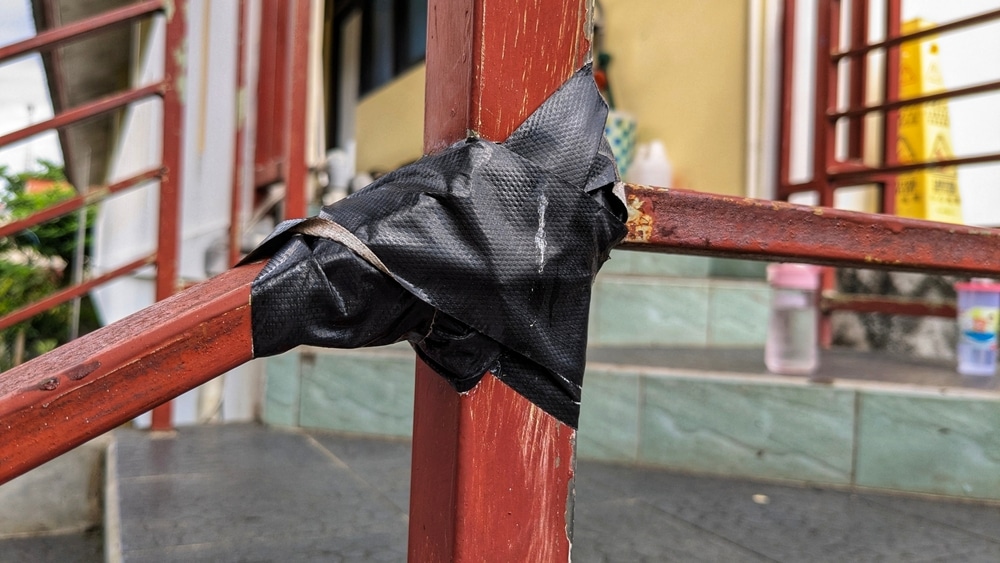
A common thread in failed cheap home fixes is that they focus on symptoms instead of causes. A crack is filled, but the structural movement behind it isn’t addressed. A stain is painted over, but the moisture source remains. A loose part is tightened, but the worn component causing the looseness isn’t replaced.
These fixes look fine for a while, which reinforces the belief that the problem is solved. But because the root cause is still active, the fix has an expiration date.
This is why cheap home fixes often lead to repeat spending. You pay once to hide the issue, then again to address it properly, and sometimes a third time to repair the damage that occurred in between.
The Cost of Replacing Cheap Materials Again and Again
Low-cost materials are often chosen because they fit the budget in the moment. But cheaper materials usually wear out faster, fail sooner, or perform worse under normal use. That means they need to be replaced more often.
Replacing something once with a cheap option might save money. Replacing it two or three times almost never does. Over time, the cost of repeated cheap home fixes often exceeds the price of a single, higher-quality solution.
There’s also the cost of labor, time, and disruption to consider. Even DIY fixes require effort, tools, and mental energy. Repeating the same repair again and again is rarely worth the initial savings.
Cheap Fixes Can Create Secondary Damage
Some cheap home fixes don’t just fail—they cause new problems. Using the wrong sealant, applying incompatible materials, or skipping proper preparation can lead to damage that didn’t exist before.
For example, trapping moisture with the wrong paint or filler can accelerate rot or mold. Over-tightening cheap hardware can strip screws or crack surrounding materials. Improvised fixes can put stress on parts of the home that weren’t designed to handle it.

These secondary issues are where costs escalate quickly. What could have been a straightforward repair turns into a larger, more complex project because the initial fix made things worse.
The Hidden Cost of Energy Inefficiency
Cheap home fixes often overlook efficiency. Temporary seals, low-quality insulation patches, or poorly fitting replacements may stop drafts or leaks temporarily, but they rarely perform well long-term.
Over time, inefficiency shows up in higher energy bills. Heat escapes. Cool air leaks. Systems work harder than they should. These ongoing costs are easy to miss because they’re spread out over months and years.
When viewed over time, many cheap home fixes quietly drain money through increased utility costs, even if the fix itself seemed inexpensive.
Stress and Uncertainty Add Their Own Price
There’s also a psychological cost to cheap home fixes. Living with something you know isn’t truly fixed creates low-level stress. You wonder when it will fail again, whether it’s causing hidden damage, or if you’ll have to deal with it during a busy or expensive time.
That uncertainty affects how people experience their home. Instead of feeling stable and reliable, the space feels fragile. That emotional cost doesn’t show up on a receipt, but it matters.
Homes feel better when repairs are done with confidence, not crossed fingers.
When Cheap Home Fixes Actually Make Sense
Not all cheap home fixes are bad. Some problems truly are minor and don’t justify a larger investment. Cosmetic issues, temporary solutions in short-term living situations, or fixes that buy time while planning a proper repair can be reasonable choices.
The key difference is intention. A cheap fix makes sense when it’s knowingly temporary and doesn’t risk causing further damage. It becomes a problem when it’s used to avoid addressing something that will inevitably worsen.
Understanding this distinction helps prevent unnecessary overspending without falling into the trap of false savings.
The Long-Term Value of Doing It Right Once
A well-chosen repair doesn’t just fix a problem—it stabilizes it. It removes uncertainty, prevents secondary damage, and reduces the need for repeated intervention. Even if it costs more upfront, it often costs less over the life of the home.
Doing it right once also saves time and mental energy. You stop revisiting the same issue. You stop budgeting for it repeatedly. You stop worrying about when it will fail again.
That sense of resolution is one of the most underrated benefits of investing in proper fixes.
How to Decide Whether a Cheap Fix Is Worth It
Before choosing a cheap home fix, it helps to ask a few simple questions. Will this address the cause or just the symptom? Could this create additional damage if it fails? How likely is it that I’ll have to redo this within a year?
If the answer points toward repetition or risk, the fix probably isn’t as cheap as it looks. Spending a bit more upfront may be the more economical choice in the long run.
The goal isn’t to avoid affordable solutions. It’s to avoid false economies.
Cheap Is Not the Same as Affordable
Cheap home fixes feel affordable because they cost less today. But affordability is about total cost over time, not the size of a single purchase. When a fix needs constant attention, causes additional damage, or increases ongoing expenses, it stops being affordable very quickly.
A smart home budget balances short-term relief with long-term stability. Sometimes that means choosing the less expensive option. Other times it means paying a little more to avoid paying a lot later.
The cheapest fix isn’t always the one with the lowest price tag. It’s the one you only have to do once.