

A cleaning routine doesn’t have to take over your weekends or make you feel like you’re constantly behind. In fact, the most effective cleaning routine is usually the simplest one—the kind that quietly supports your health without demanding perfection. A healthier home isn’t built through marathon cleaning sessions or obsessive scrubbing. It’s built through small, consistent habits that keep dirt, dust, and stress from piling up in the first place.
Many people think they need more time, better products, or stronger motivation to keep their home clean. What they actually need is a cleaning routine that fits into real life. One that works on busy weekdays, survives skipped days, and doesn’t fall apart the moment you’re tired. When a cleaning routine feels manageable instead of overwhelming, it stops being something you dread and starts becoming something that simply happens.
This article walks through a simple cleaning routine designed to support a healthier home without turning cleaning into a full-time job. No perfection required, no guilt attached, and no unrealistic standards involved.
Why a Simple Cleaning Routine Works Better Than Deep Cleaning
Many households rely on occasional deep cleaning days to reset their home, but this approach often creates more stress than results. Deep cleaning tends to be reactive, happening only after mess and grime have already built up. By the time you start cleaning, the task feels heavy, time-consuming, and mentally draining. This cycle makes cleaning feel like a burden rather than a habit.
A simple cleaning routine works differently because it focuses on prevention instead of rescue. When small tasks are done consistently, dirt and bacteria never get the chance to settle in deeply. Surfaces stay cleaner, air feels fresher, and clutter becomes easier to manage. Instead of feeling overwhelmed by everything that needs to be done, you stay ahead with minimal effort.
There’s also a mental benefit. Knowing that your home is being lightly maintained throughout the week reduces background stress. You’re not constantly noticing what’s dirty or thinking about when you’ll have time to clean. A simple cleaning routine removes that mental clutter, creating a calmer environment that supports both physical and emotional health.
What Makes a Cleaning Routine Stick Long-Term
The biggest mistake people make when creating a cleaning routine is aiming too high. When a routine requires too much time, energy, or discipline, it becomes fragile. One busy day is enough to throw everything off, and once the routine breaks, restarting feels harder than starting from scratch.
A cleaning routine sticks when it’s designed around habits, not motivation. Motivation comes and goes, but habits quietly carry on. When cleaning tasks are short, predictable, and easy to fit into daily life, they stop feeling like tasks at all. They become part of how you move through your home.
Flexibility is another key factor. A cleaning routine that only works under perfect conditions won’t last. Life changes, schedules shift, and energy levels fluctuate. The most successful routines allow for missed days without collapsing entirely. When your cleaning routine forgives inconsistency, you’re more likely to return to it instead of giving up.
A Simple Daily Cleaning Routine That Feels Effortless
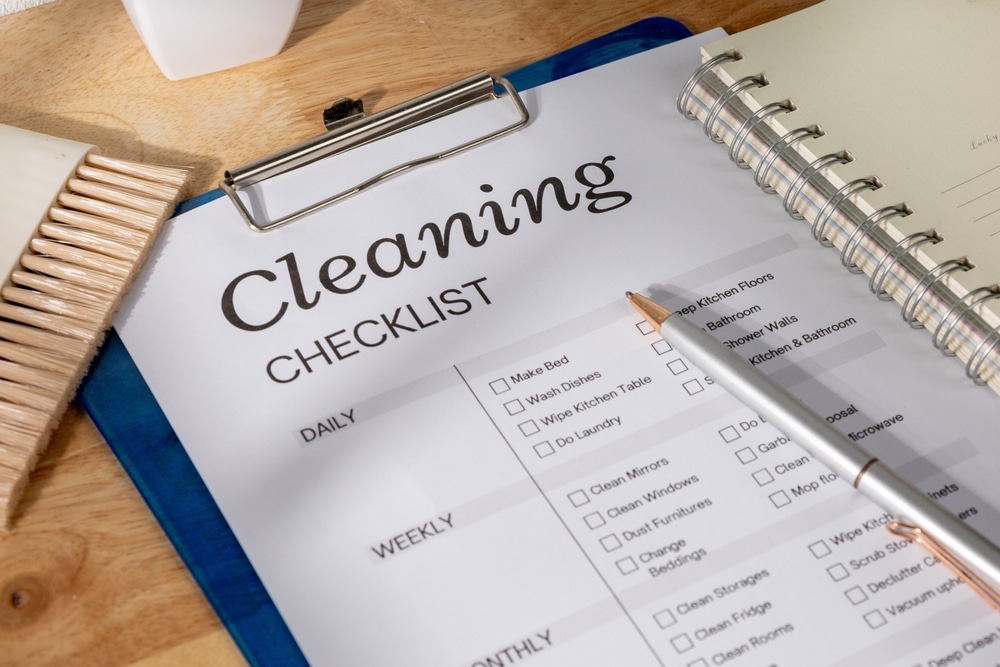
A daily cleaning routine doesn’t mean cleaning your entire house every day. It means doing just enough to keep your home in a healthy, livable state. These small daily actions prevent buildup and make everything else easier later. When daily cleaning is light and quick, it becomes surprisingly easy to maintain.
Daily cleaning focuses on the areas that affect health and comfort the most. Wiping down frequently touched surfaces, managing clutter before it spreads, and keeping floors reasonably clean all contribute to better air quality and fewer allergens. These tasks don’t require special tools or long blocks of time. They work because they’re repeated often, not because they’re done perfectly.
The beauty of a daily cleaning routine is that it adapts to your energy level. On good days, you might do a little extra without thinking about it. On low-energy days, you still do the basics, and that’s enough. Over time, this consistency creates a home that feels clean without ever requiring a major reset.
The Weekly Cleaning Routine That Supports a Healthier Home
While daily habits handle maintenance, a weekly cleaning routine provides structure and deeper care. This is where you address the tasks that don’t need daily attention but still play a big role in keeping your home healthy. Dust buildup, bathroom hygiene, and fabric freshness all benefit from weekly care.
A weekly cleaning routine works best when it’s spread out mentally, even if it’s done in one session. Knowing that these tasks only need attention once a week reduces pressure during the rest of the week. You’re not constantly worrying about what you should be cleaning because you already have a rhythm in place.
Health-wise, weekly cleaning helps control allergens, bacteria, and mold before they become problems. It also keeps your home smelling fresher and feeling lighter. When weekly cleaning becomes a familiar pattern rather than an exhausting chore, it reinforces the sense that your home is under control, even when life feels busy.
Cleaning the Kitchen Without Turning It Into a Chore
The kitchen plays a central role in both health and daily life, which is why it often feels like the hardest room to keep clean. A simple cleaning routine for the kitchen focuses on hygiene rather than perfection. Clean counters, a manageable sink, and reasonably tidy surfaces make a bigger difference than spotless cabinets.
Food preparation areas benefit most from consistent light cleaning. When spills and crumbs are handled quickly, bacteria have fewer chances to spread. This also makes cooking more enjoyable because you’re not constantly working around mess. Over time, this routine keeps the kitchen feeling usable and welcoming instead of stressful.
A healthier home starts with a kitchen that supports good habits instead of fighting them. When cleaning is integrated naturally into cooking and mealtime routines, it becomes part of the flow of the day rather than a separate task.
Keeping the Bathroom Clean Without Constant Scrubbing
Bathrooms are another space where small habits make a big difference. A cleaning routine that focuses on regular upkeep prevents grime and mold from taking hold. When moisture and bacteria are managed consistently, deep cleaning becomes far less necessary.
The key to a simple bathroom cleaning routine is repetition, not intensity. Light weekly cleaning keeps surfaces fresh, while daily habits like quick wipes and proper ventilation reduce buildup. This approach keeps the bathroom healthier without turning cleaning into an exhausting process.
A clean bathroom also affects how the entire home feels. It’s one of those spaces where cleanliness directly impacts comfort and peace of mind. When your cleaning routine keeps the bathroom under control, everything else feels easier by comparison.
Maintaining Living Areas for Better Air and Less Stress
Living areas tend to collect dust, clutter, and unseen allergens faster than we realize. A simple cleaning routine here focuses on air quality and visual calm. Regular dusting, light vacuuming, and clutter management all contribute to a healthier home environment.
When living spaces are lightly maintained, they become easier to reset. Instead of spending hours cleaning before guests arrive or at the end of the week, a few minutes of upkeep keeps everything in check. This reduces stress and makes the home feel consistently comfortable.
Clean living areas also support mental health. When surfaces are clear and the air feels fresh, it’s easier to relax and focus. A cleaning routine that supports these spaces quietly improves daily life without demanding attention.
Creating a Bedroom Cleaning Routine That Supports Better Sleep
Bedrooms are often overlooked in cleaning routines, even though they directly affect sleep quality. Dust, fabrics, and clutter can all impact air quality and mental rest. A simple cleaning routine in the bedroom focuses on freshness rather than appearance.
Keeping bedding clean, surfaces dust-free, and floors lightly maintained helps create a healthier sleeping environment. This doesn’t require daily effort, but it does benefit from regular attention. When the bedroom feels calm and clean, it becomes easier to unwind at the end of the day.
A healthier home includes spaces that support rest, not just productivity. When your cleaning routine includes the bedroom in a gentle, consistent way, it improves both physical comfort and overall well-being.
How a Cleaning Routine Improves Health Over Time
The health benefits of a cleaning routine often go unnoticed because they build gradually. Fewer allergens in the air, reduced exposure to bacteria, and improved air circulation all contribute to long-term wellness. A simple cleaning routine supports these benefits without requiring harsh chemicals or intense effort.
Mental health also improves when cleaning becomes predictable. The constant background worry about mess disappears, replaced by a sense of control. This mental clarity is one of the most underrated benefits of maintaining a cleaning routine.

Over time, a healthier home environment supports better sleep, fewer irritations, and a calmer daily rhythm. These small improvements add up, making the cleaning routine feel worthwhile without feeling demanding.
Common Mistakes That Make a Cleaning Routine Harder Than It Needs to Be
Many people abandon their cleaning routine because they try to do too much at once. When cleaning feels endless, motivation fades quickly. A routine that’s too strict or too detailed becomes fragile, breaking down as soon as life gets busy.
Another common issue is tying cleaning to mood or energy levels. Waiting until you feel motivated usually means waiting too long. Simple cleaning routines succeed because they don’t depend on how you feel that day. They’re light enough to happen even when motivation is low.
Finally, expecting visible perfection often leads to frustration. A cleaning routine isn’t about creating a flawless home. It’s about creating a healthy, functional space that supports daily life. Letting go of unrealistic standards makes the routine easier to maintain and far more effective.
Adjusting Your Cleaning Routine as Life Changes
No cleaning routine should be fixed forever. As schedules shift, households change, and seasons come and go, routines need to adapt. A routine that worked perfectly last year might need adjusting now, and that’s not a failure. It’s a sign that the routine is serving you, not controlling you.
The simplest routines are also the easiest to modify. When tasks are flexible, you can scale them up or down without starting over. This adaptability is what keeps a cleaning routine sustainable in the long run.
A healthier home doesn’t come from rigid systems. It comes from routines that evolve naturally alongside your life.
Clean Enough Is Healthy Enough
A simple cleaning routine doesn’t aim for perfection, and that’s exactly why it works. It supports a healthier home by focusing on consistency, flexibility, and realism. Instead of chasing an impossible standard, it creates a space that feels good to live in every day.
When cleaning stops being something you dread, it becomes something you barely notice. That’s the true goal of any effective cleaning routine. Start small, stay flexible, and trust that “clean enough” really is enough for a healthier, happier home.
That’s not lazy cleaning. That’s slightly genius.