
Keeping a home clean can feel like a never-ending task. Most people regularly vacuum floors, wipe countertops, and wash dishes, but many household items are often forgotten. The truth is that some things need cleaning far more often than we realize, while others can go much longer between washes. Understanding the right cleaning frequency can improve hygiene, extend the lifespan of your belongings, and even reduce allergens in your home. Creating a practical household cleaning schedule helps prevent both overcleaning and neglect. Knowing what to wash and when can make maintaining a healthy and comfortable living environment much easier.
Why Cleaning Frequency Matters
Not all household items collect dirt, bacteria, and allergens at the same rate. A kitchen sponge, for example, comes into contact with food residue and moisture daily, making it a breeding ground for microbes. Meanwhile, decorative items sitting on a shelf may only gather dust over time. Following a thoughtful household cleaning schedule ensures that frequently used items receive attention before they become unhygienic. It also helps avoid unnecessary washing that can wear out fabrics and materials prematurely. The goal is not perfection but creating a balanced routine that supports cleanliness without adding excessive work to your week.
Towels and Washcloths Need More Attention Than You Think
Many people use bath towels for far too long before washing them. Experts generally recommend washing bath towels after three to four uses. Damp towels create an environment where bacteria and mildew can thrive. Hand towels should be cleaned even more frequently because they are touched by multiple people throughout the day. Washcloths ideally should be washed after each use. Incorporating these items into your household cleaning schedule can significantly improve bathroom hygiene. Fresh towels not only smell better but also reduce the risk of spreading germs and skin irritations among family members.
Bedding and Pillows Affect Sleep Quality
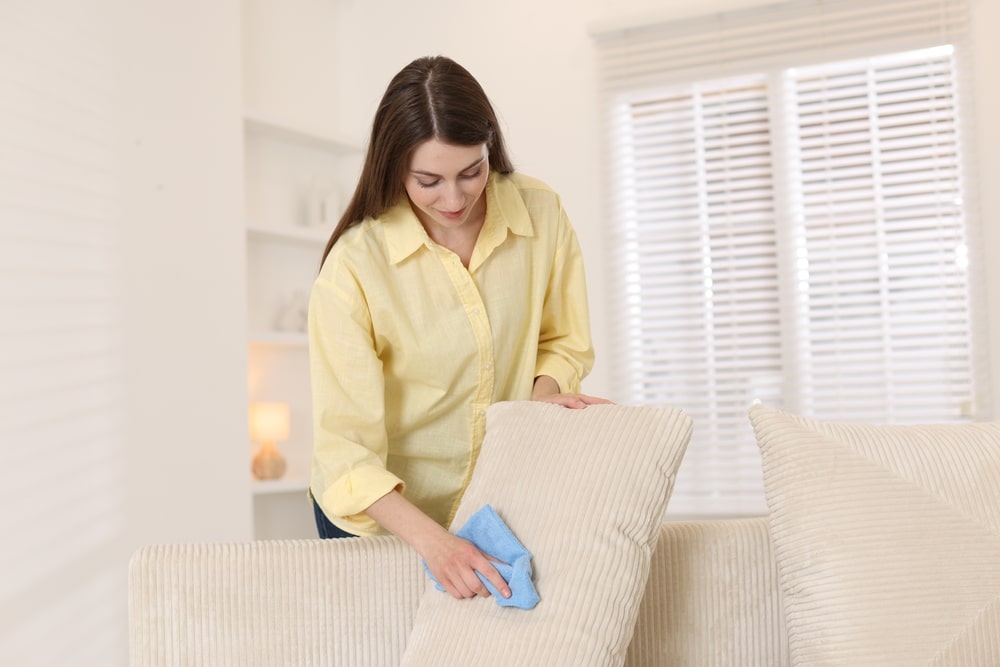
Your bed may look clean, but it accumulates sweat, skin cells, dust mites, and oils every night. Sheets should generally be washed once a week, while pillowcases may benefit from more frequent cleaning, especially for people with allergies or acne-prone skin. Pillows themselves should typically be washed every few months if the manufacturer allows it. A reliable household cleaning schedule should also include rotating and airing out bedding regularly. Maintaining clean bedding contributes to better sleep quality and can help reduce allergy symptoms, making your bedroom a healthier place to rest and recharge.
The Kitchen Contains Hidden Germ Hotspots
The kitchen is one of the busiest areas of any home, which means it often harbors the most germs. Dishcloths should be washed every couple of days, while sponges should be sanitized frequently and replaced regularly. Refrigerator shelves benefit from monthly cleaning, and cabinet handles deserve weekly attention. A well-organized household cleaning schedule can prevent bacteria from spreading throughout food preparation areas. By focusing on high-touch surfaces and frequently used tools, you can keep your kitchen cleaner and safer without needing to spend hours scrubbing every day.
How Often Should Carpets and Rugs Be Cleaned?
Carpets and rugs trap dust, pet dander, pollen, and other particles that would otherwise circulate through the air. Vacuuming high-traffic areas at least once or twice a week is often recommended, while deeper cleaning may only be necessary every six to twelve months depending on usage. Homes with pets or young children may require more frequent attention. Adding floor care to your household cleaning schedule helps maintain indoor air quality and preserves the appearance of your carpets. Regular maintenance can also extend the lifespan of these often expensive household investments.
Don’t Forget Curtains and Upholstery
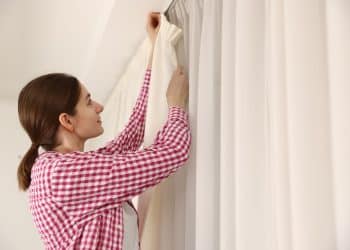
Curtains, sofas, and upholstered chairs quietly collect dust over time. Because they are not cleaned as visibly as floors or countertops, they are often overlooked. Depending on the material and household conditions, curtains may only need washing every few months. Upholstered furniture benefits from regular vacuuming and occasional deep cleaning. Including these items in your household cleaning schedule ensures that allergens do not accumulate unnoticed. This is especially important for households with pets, smokers, or individuals who suffer from seasonal allergies, as soft furnishings can trap airborne particles very effectively.
Electronics Need Care Too
Phones, keyboards, remote controls, and computer mice are among the most frequently touched objects in modern homes. Yet many people rarely clean them. These devices can accumulate oils, dirt, and bacteria surprisingly quickly. Wiping electronics with appropriate cleaning products at least weekly can help maintain hygiene. Any effective household cleaning schedule should account for these high-contact items. Since electronics are used constantly, regular cleaning not only keeps them looking better but may also reduce the transfer of germs between household members and frequently touched surfaces.
Bathroom Items Beyond Towels
The bathroom contains more than just towels that require regular washing. Bath mats, shower curtains, and toothbrush holders can all accumulate moisture and grime. Bath mats often benefit from weekly washing, while shower curtains may only need cleaning every month or two depending on humidity levels. Building these tasks into a household cleaning schedule prevents mold and mildew from gaining a foothold. Small maintenance efforts completed regularly are often much easier than dealing with major cleaning projects after dirt and moisture have accumulated over extended periods.
Seasonal Cleaning Makes a Difference
Some household items do not need weekly or monthly attention but still benefit from periodic cleaning. Ceiling fans, air vents, mattresses, and behind large appliances are good examples. These areas can collect dust and debris over time without obvious signs. A seasonal household cleaning schedule provides a convenient way to remember these less frequent tasks. Breaking them into manageable quarterly projects keeps your home cleaner overall and prevents the overwhelming feeling that often comes with large annual deep-cleaning sessions. Consistency is usually more effective than occasional marathon cleaning days.
Creating a realistic approach to cleaning is far more important than following rigid rules. Every household has different needs depending on factors such as pets, children, allergies, and lifestyle habits. The best strategy is to develop a household cleaning schedule that fits your circumstances and can be maintained consistently. Regular attention to commonly overlooked items like bedding, towels, electronics, and upholstery can improve comfort, hygiene, and even the longevity of household possessions. Rather than wondering whether something should be cleaned, having a plan removes the guesswork. A clean home is not about perfection but about maintaining healthy habits that work for you.
Do you want more amazing tips to clean your home? Then visit our Cleaning & Maintenance page right here