
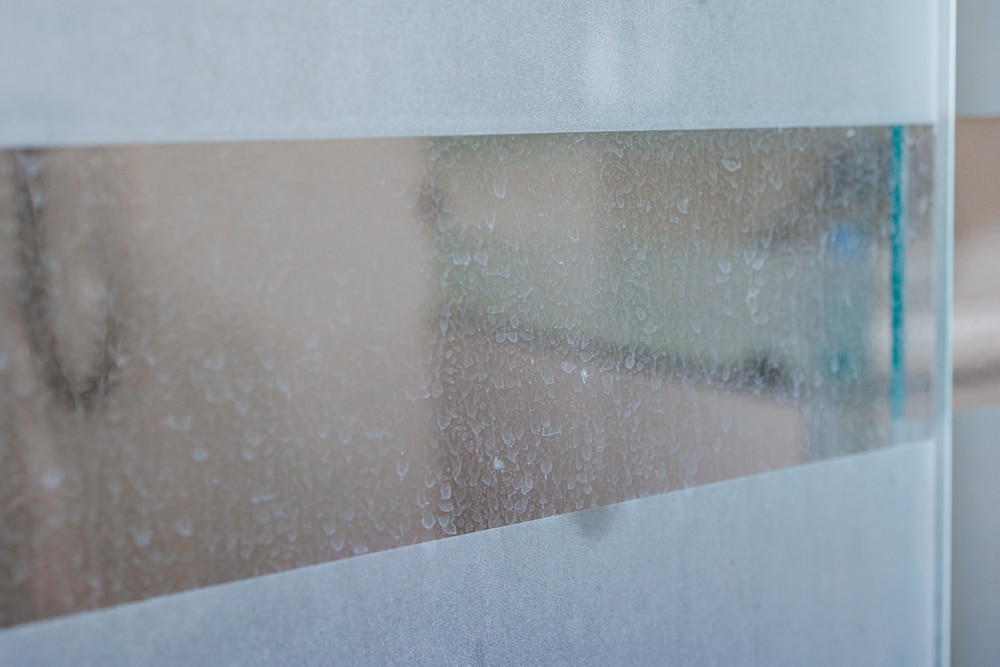
Hard water stains are one of the most frustrating cleaning problems homeowners face. They appear as cloudy spots, white streaks, or chalky deposits on glass shower doors, faucets, sinks, and other fixtures. These marks develop when water containing high levels of minerals such as calcium and magnesium evaporates, leaving behind residue that builds up over time. The good news is that you do not need expensive products or professional services to tackle the issue. With the right techniques and a little patience, you can effectively remove hard water stains and restore the shine to your glass surfaces and fixtures while also preventing future buildup.
Understanding What Causes Hard Water Stains
Before you can successfully remove hard water stains, it helps to understand exactly what they are. Hard water contains dissolved minerals that remain behind after water dries. Every time a shower door gets wet or a faucet splashes, tiny amounts of these minerals accumulate. Initially, the buildup may seem harmless, but repeated exposure creates stubborn deposits that become increasingly difficult to clean. Areas with naturally hard water often experience these issues more frequently. Knowing the source of the problem allows homeowners to choose cleaning methods that target mineral deposits rather than simply wiping away surface dirt.
Why Glass and Fixtures Are Especially Vulnerable
Glass surfaces and metal fixtures are particularly susceptible to mineral buildup because they are constantly exposed to water. Shower enclosures, bathroom mirrors near sinks, kitchen faucets, and even outdoor windows can develop noticeable stains. The smooth surfaces make mineral deposits highly visible, often creating a dull appearance that makes an otherwise clean room look neglected. Many people attempt to scrub these stains with ordinary cleaners, only to discover that the deposits remain. Learning how to properly remove hard water stains can help preserve both the appearance and lifespan of household fixtures.
The Power of White Vinegar
One of the most effective and affordable solutions to remove hard water stains is ordinary white vinegar. Vinegar contains acetic acid, which breaks down mineral deposits without damaging most glass and metal surfaces. To use this method, soak a cloth or paper towel in vinegar and place it directly on the stained area. Allow it to sit for at least fifteen to thirty minutes so the acid can dissolve the buildup. Afterward, gently scrub with a soft sponge and rinse thoroughly with clean water. This simple approach often works remarkably well on moderate mineral deposits.
Using Lemon Juice as a Natural Alternative
Lemon juice provides another natural option for homeowners seeking eco-friendly cleaning solutions. The citric acid found in lemons can help remove hard water stains while leaving behind a fresh scent. Fresh lemon juice can be applied directly to stained surfaces or mixed with water in a spray bottle. Let the solution sit for several minutes before wiping the area clean. This method is especially useful for chrome fixtures because it can help restore shine while reducing mineral accumulation. While lemon juice may require multiple applications for severe stains, it remains a safe and natural cleaning choice.
Creating a Vinegar and Baking Soda Paste
For tougher buildup, combining vinegar with baking soda can create a more powerful cleaning treatment. Start by applying vinegar to the affected area. Once the surface is damp, sprinkle baking soda over the stain. The resulting reaction creates a mildly abrasive paste that helps lift stubborn deposits. Use a soft brush or sponge to work the mixture into the surface without causing scratches. This technique can effectively remove hard water stains from shower doors, sink basins, and faucet bases where mineral deposits often accumulate in hard-to-reach corners.
Commercial Cleaners Designed for Mineral Deposits
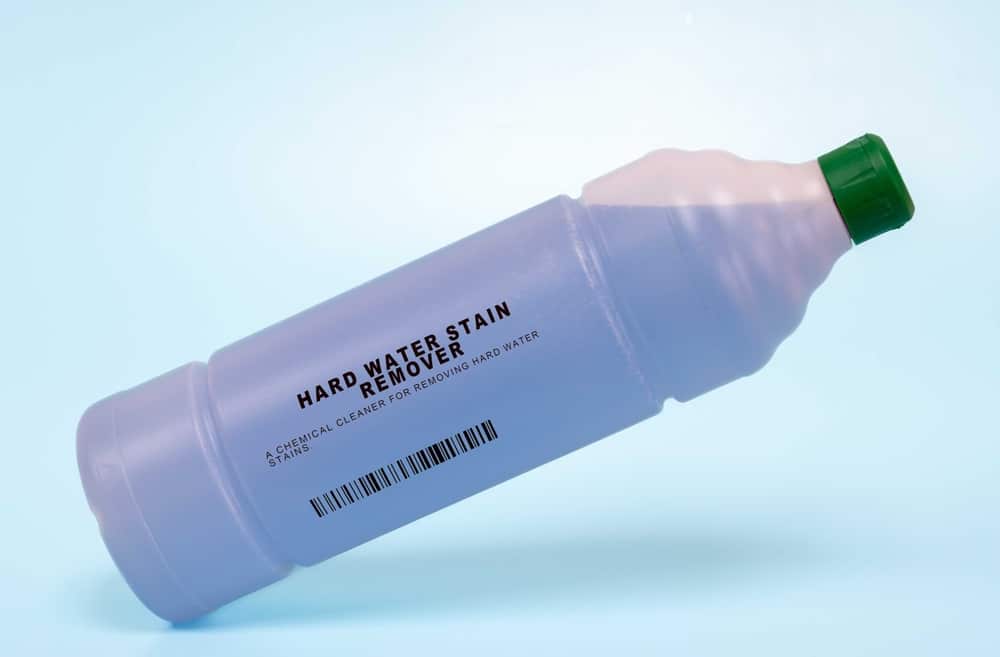
Although natural solutions are highly effective, some situations call for specialized cleaning products. Commercial hard water removers are formulated specifically to dissolve calcium, lime, and mineral buildup. These products often contain stronger acids and should be used according to manufacturer instructions. Proper ventilation and protective gloves are recommended when handling such cleaners. When natural remedies are not sufficient to remove hard water stains, commercial products can provide a faster solution for heavily affected surfaces. However, testing on a small area first is always a wise precaution.
Cleaning Glass Shower Doors Effectively
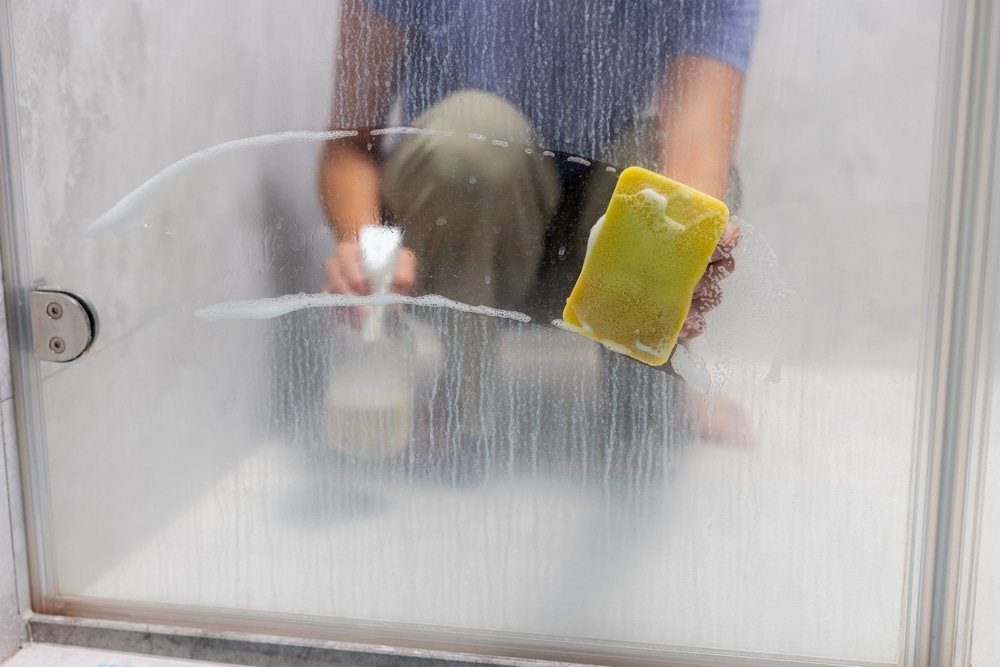
Glass shower doors are among the most common places where mineral deposits develop. Constant exposure to water creates ideal conditions for buildup. To remove hard water stains from shower glass, spray a generous amount of vinegar solution across the entire surface and allow it to soak. A non-scratch sponge can then be used to gently scrub away deposits. For persistent spots, repeating the process may be necessary. Regular maintenance is essential because mineral buildup becomes harder to eliminate the longer it remains on the glass.
Restoring the Shine of Faucets and Fixtures
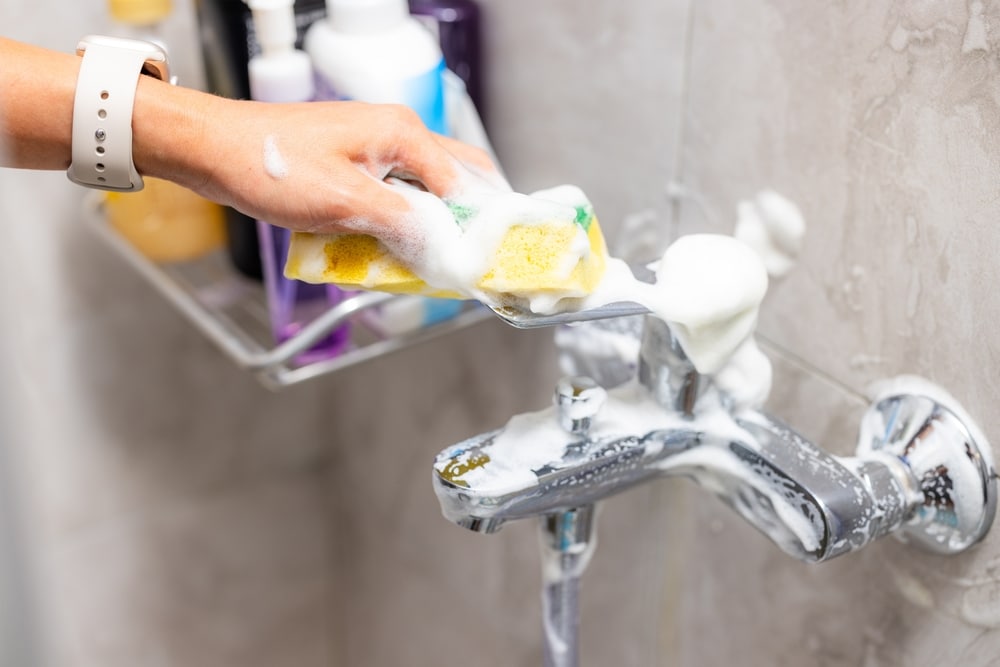
Bathroom and kitchen fixtures often lose their sparkle due to mineral deposits. To remove hard water stains from faucets, wrap vinegar-soaked cloths around the affected areas and let them sit for thirty minutes. This allows the acid to penetrate the buildup and loosen the deposits. After removing the cloths, use a soft brush to clean around seams and joints where minerals often collect. Rinse thoroughly and dry the surface with a microfiber cloth. This method helps restore the original shine without damaging delicate finishes.
Preventing Future Hard Water Buildup
Once you successfully remove hard water stains, prevention becomes the next priority. Wiping down surfaces after each use can dramatically reduce mineral accumulation. Using a squeegee on shower doors prevents water from drying on the glass. Regular cleaning with vinegar solutions can stop deposits from becoming established. Some homeowners also choose to install water softening systems that reduce mineral content before water enters the home. Preventative measures require far less effort than dealing with severe buildup that has been allowed to develop for months or years.
Common Mistakes to Avoid During Cleaning
Many people unintentionally damage surfaces while attempting to remove hard water stains. Abrasive pads, steel wool, and harsh scrubbing tools can scratch glass and metal finishes. Mixing incompatible cleaning chemicals may also create harmful fumes or damage fixtures. Another common mistake is failing to allow cleaning solutions enough time to work. Mineral deposits often require soaking before they can be removed effectively. Taking a patient approach and using appropriate cleaning tools will produce better results while protecting valuable household surfaces.
Long-Term Maintenance for Cleaner Surfaces
The key to keeping glass and fixtures looking their best is consistency. Establishing a regular cleaning routine helps prevent mineral buildup from becoming a major problem. Weekly wipe-downs with vinegar-based solutions can significantly reduce staining. Homeowners who regularly remove hard water stains before they become severe will spend less time scrubbing and less money on specialized products. Over time, these simple habits help maintain a cleaner, brighter bathroom and kitchen environment while extending the life of fixtures and glass surfaces throughout the home.
Hard water stains may seem impossible to eliminate, but they can be managed effectively with the right techniques. Whether you choose natural remedies such as vinegar and lemon juice or commercial cleaning products designed specifically for mineral deposits, consistency is the key to success. By taking preventive measures and addressing buildup early, homeowners can keep glass surfaces crystal clear and fixtures looking polished. Learning how to remove hard water stains not only improves the appearance of your home but also protects surfaces from long-term damage. With regular maintenance, you can enjoy cleaner, brighter spaces and avoid the frustration of stubborn mineral deposits returning again and again.
Do you want more amazing tips to clean your home? Then visit our Cleaning & Maintenance page right here