

Most people think dust quietly settles around the house and stays there until wiped away. In reality, your ceiling fan may be helping it travel from one room to another every single day. When fan blades collect dirt, hair, pollen, and fabric fibers, those particles are pushed back into the air whenever the fan spins. That can make allergies worse, leave furniture dirty faster, and even create unpleasant smells. The good news is that the problem is easy to control once you understand why it happens. A few smart habits and regular attention to cleaning ceiling fan blades can dramatically reduce dust movement and improve indoor air quality.
Dust Does Not Stay Still
Many homeowners are surprised by how much air movement affects the cleanliness of a room. Ceiling fans constantly circulate tiny particles that would otherwise settle onto floors and shelves. Over time, dust sticks to the fan because of static electricity, moisture in the air, and greasy residue from cooking or candles. Once enough buildup forms, the spinning blades start throwing debris across the room. This is especially noticeable in bedrooms and living rooms where fans run for hours each day. One of the simplest ways to stop this cycle is by regularly cleaning ceiling fan blades before heavy buildup has time to develop.
Why Fan Blades Attract So Much Dirt
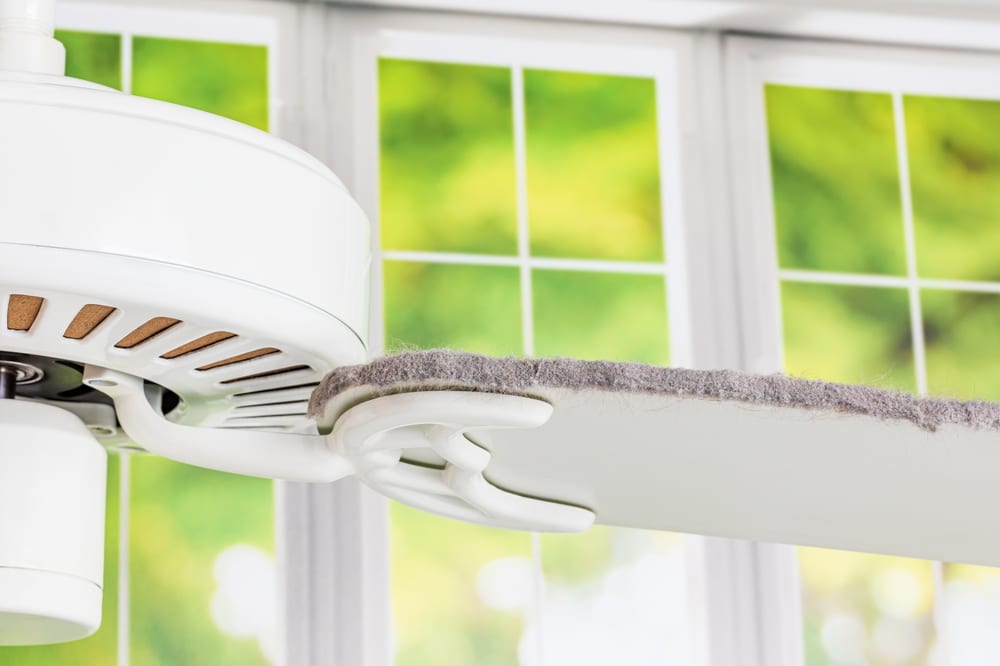
Fan blades are almost designed to collect dust. As they move through the air, they create friction that generates static electricity. That static acts like a magnet for floating particles. In homes with pets, carpets, or open windows, even more dust is pulled toward the blades. Kitchens can become especially problematic because grease in the air creates a sticky layer that traps dirt faster. Humidity also contributes by helping particles cling to surfaces instead of falling away. These conditions mean that cleaning ceiling fan blades becomes more important than many people realize, especially during warmer seasons when fans run daily.
The Hidden Effect on Allergies
People who struggle with allergies often focus on vacuuming carpets or replacing air filters, but ceiling fans can quietly make symptoms worse. Every time dirty blades spin, they send allergens back into circulation. Dust mites, pet dander, pollen, and mold spores can all spread through the room repeatedly. This may lead to sneezing, itchy eyes, coughing, or headaches that seem to appear without explanation. Bedrooms are especially important because fans often run overnight while people sleep. Developing a routine for cleaning ceiling fan blades can significantly reduce the amount of airborne irritation and create a more comfortable indoor environment.
Dirty Fans Can Affect Air Quality
Indoor air quality is something many homeowners overlook until odors or breathing issues become noticeable. Dusty ceiling fans contribute to stale air because they keep pollutants floating instead of allowing them to settle for removal. In homes with smokers, fireplaces, or cooking residue, fans can spread unpleasant smells throughout multiple rooms. This issue becomes even more obvious during winter when windows stay closed and fresh air circulation decreases. Regularly cleaning ceiling fan blades helps reduce the amount of debris moving through the air and allows ventilation systems to work more efficiently without constantly recycling dust particles.
The Right Way to Clean a Fan
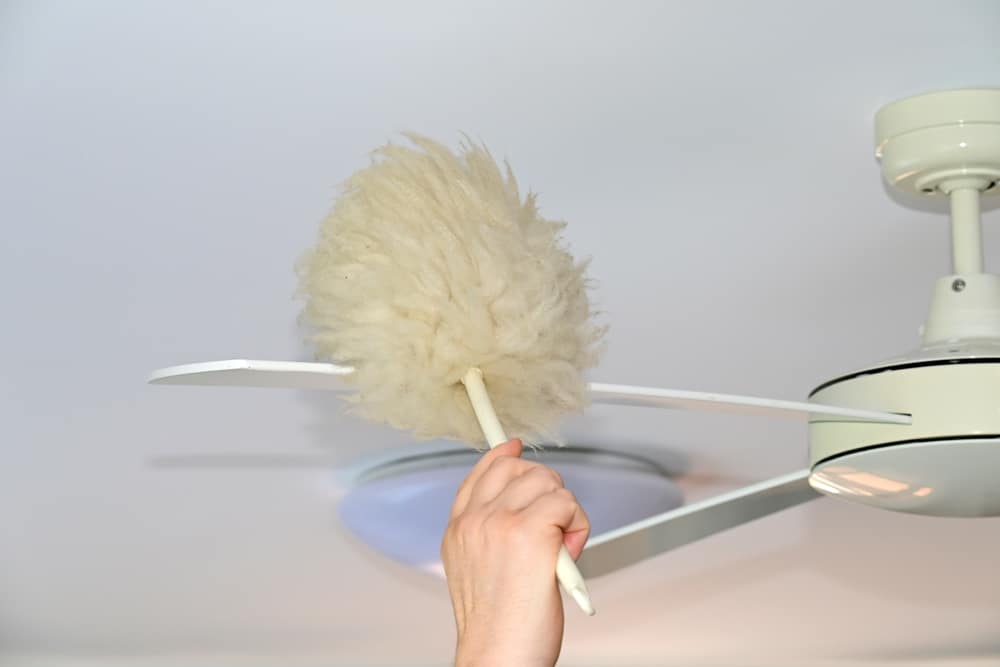
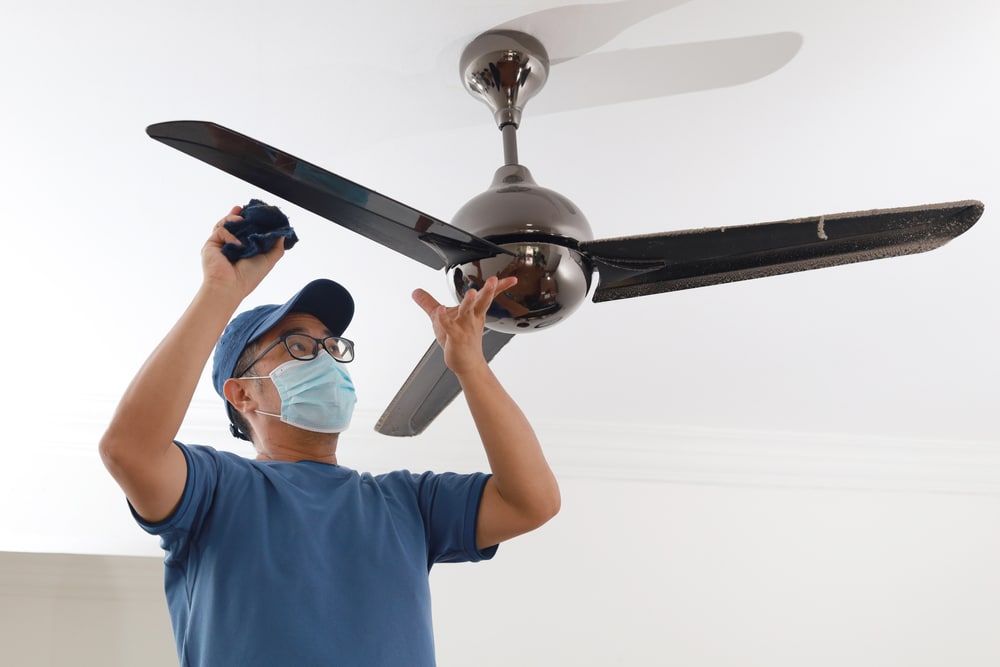
Many people simply wave a feather duster at their ceiling fan and assume the job is complete. Unfortunately, that often sends dust flying onto furniture, bedding, and floors. A better method involves using a microfiber cloth or pillowcase to trap debris instead of spreading it. Turning the fan off first is essential for safety. It also helps to place a sheet or towel underneath the fan before starting. Some homeowners use mild soap and water for stubborn grime, especially in kitchens. Taking a careful approach to cleaning ceiling fan blades prevents unnecessary mess while delivering much better results.
How Often Should Fans Be Cleaned?
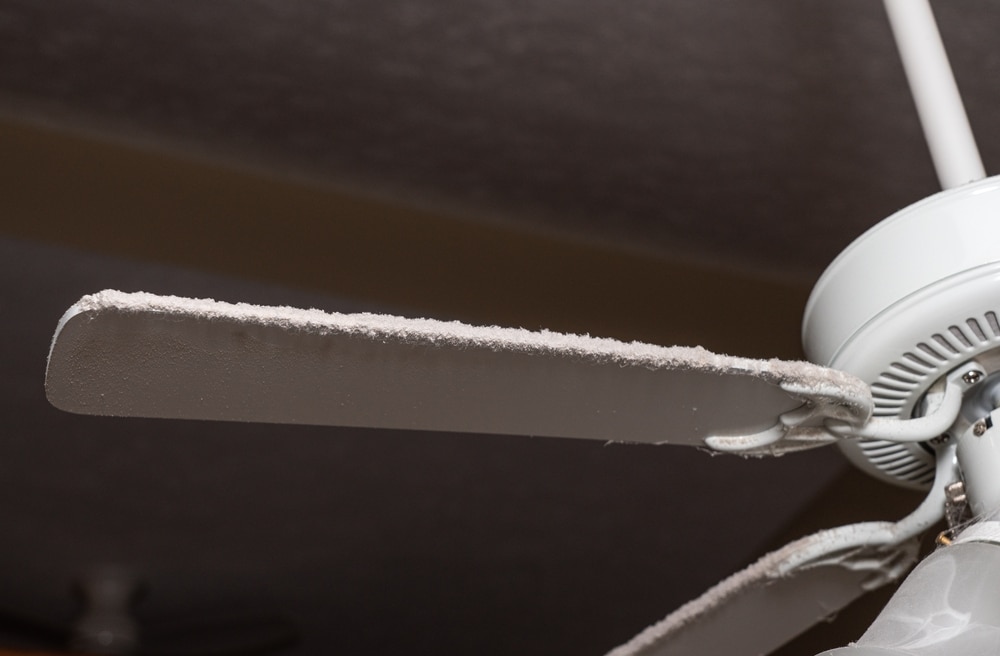
The ideal cleaning schedule depends on the environment inside your home. Fans in kitchens or homes with pets may need attention every two weeks, while fans in quieter spaces can often go a month or more between cleanings. Seasonal changes also matter because spring pollen and winter heating systems increase airborne particles. A simple visual inspection can help determine whether buildup is becoming excessive. If dust is visible from the floor, it has probably already been spreading through the room for days. Establishing a consistent routine for cleaning ceiling fan blades keeps buildup manageable and prevents major dirt accumulation over time.
The Problem With Ignoring Dust Buildup
Leaving dust on fan blades for long periods can create more than just a cosmetic issue. Thick buildup may eventually affect the balance of the fan itself. Uneven blade weight can cause wobbling, unusual noises, or increased wear on the motor. In extreme situations, neglected fans may lose efficiency and circulate air poorly. Dust can also harden when mixed with grease or humidity, making future cleaning more difficult. While many people postpone maintenance because it seems minor, cleaning ceiling fan blades regularly can actually help extend the life of the fan and keep it operating smoothly for years.
Smart Tools That Make Cleaning Easier
Modern cleaning tools have made ceiling fan maintenance much less frustrating than it once was. Extendable dusters allow people to reach high ceilings without climbing ladders, while microfiber materials trap particles effectively instead of scattering them. Some homeowners even use handheld vacuum attachments to capture dust immediately during the cleaning process. Washable cleaning sleeves designed specifically for fans are also becoming popular because they reduce airborne debris. Although fancy tools are not always necessary, having the right equipment can save time and effort. Investing in better supplies makes cleaning ceiling fan blades faster, safer, and more convenient overall.
Humidity Makes the Situation Worse
Dust buildup tends to increase in humid environments because moisture causes particles to stick together and cling to surfaces more easily. Homes in coastal regions or areas with damp summers often experience heavier fan buildup than dry climates. Bathrooms and kitchens are especially vulnerable because steam combines with airborne particles to create sticky residue. Once moisture and dust mix together, blades become harder to clean and may develop unpleasant smells over time. Using dehumidifiers and improving ventilation can help reduce this problem considerably. Alongside moisture control, cleaning ceiling fan blades remains one of the best ways to minimize lingering dust issues.
Pets Add More Dust Than You Think
Pet owners often notice that dust returns quickly even after thorough cleaning. Cats and dogs constantly shed hair, skin flakes, and outdoor debris that become airborne as they move around the house. Ceiling fans then spread those particles through multiple rooms. Long haired pets can make buildup especially noticeable because fur sticks easily to fan blades through static electricity. Regular grooming helps reduce the amount of airborne material, but fan maintenance is still essential. Households with several pets may benefit from more frequent cleaning ceiling fan blades to keep fur, dander, and allergens from continuously circulating indoors.

Seasonal Changes Can Increase Dust
Different times of the year create different dust problems inside the home. During spring, open windows allow pollen and outdoor particles to enter more easily. Summer often increases humidity, making dirt cling to surfaces faster. In autumn, dry leaves and outdoor debris are carried indoors on clothing and shoes. Winter heating systems can dry out the air and push old dust throughout the house repeatedly. Because ceiling fans are active during many of these seasonal transitions, they become collection points for airborne debris. Staying ahead of the problem with cleaning ceiling fan blades helps maintain cleaner rooms year round.
Small Habits That Prevent Future Buildup
Prevention is often easier than deep cleaning. Using high quality air filters, vacuuming frequently, and reducing clutter can all decrease the amount of dust circulating through your home. Keeping windows closed during high pollen days also makes a noticeable difference. Some people even run air purifiers in bedrooms to reduce airborne particles before they reach ceiling fans. Another useful habit is wiping blades lightly every week instead of waiting for visible buildup. This prevents thick layers from forming and keeps the fan running efficiently. Consistent attention to cleaning ceiling fan blades saves time compared to occasional heavy cleaning sessions.
A Cleaner Fan Creates a Cleaner Home
Many cleaning tasks around the house feel cosmetic, but ceiling fan maintenance has a direct impact on comfort and air quality. Cleaner fans reduce the amount of dust floating through the air and help rooms stay fresh longer. They also improve airflow because clean blades move air more efficiently than dirty ones. Even the appearance of a room can improve when dust is no longer constantly settling onto furniture and shelves. While the task may seem small, cleaning ceiling fan blades can influence everything from allergy symptoms to the overall freshness of your home in surprisingly noticeable ways.
Dust problems often feel endless because particles constantly move from one place to another. Ceiling fans play a much bigger role in that process than most people realize. Dirty blades spread allergens, odors, and debris throughout the home every time the fan runs. Fortunately, preventing this issue does not require expensive equipment or complicated maintenance routines. Consistent care, better airflow habits, and attention to indoor humidity can make a major difference. Once homeowners understand how much dust their fan is moving around, they usually become more proactive about cleaning ceiling fan blades and keeping indoor air healthier, fresher, and far more comfortable.
Do you want more amazing tips to clean your home? Then visit our Cleaning & Maintenance page right here