

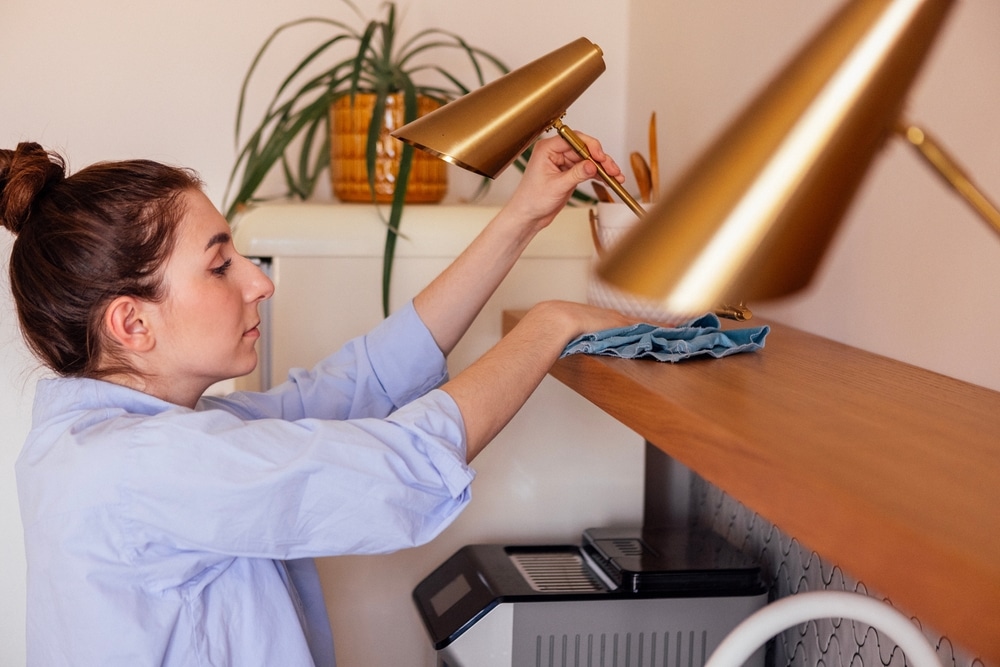
If you feel like you just cleaned your home yesterday and it is already covered in a fine gray layer, you are not imagining things. Dust seems to build up almost magically, settling on shelves, electronics, floors, and even freshly wiped tables. Understanding why this happens is the first step toward controlling it. In this article, we will explore the science behind dust, why it accumulates so quickly, and most importantly, practical dust removal tips that actually work. Once you see where dust comes from and how it moves through your home, managing it becomes far less frustrating and much more achievable.
What Dust Is Really Made Of
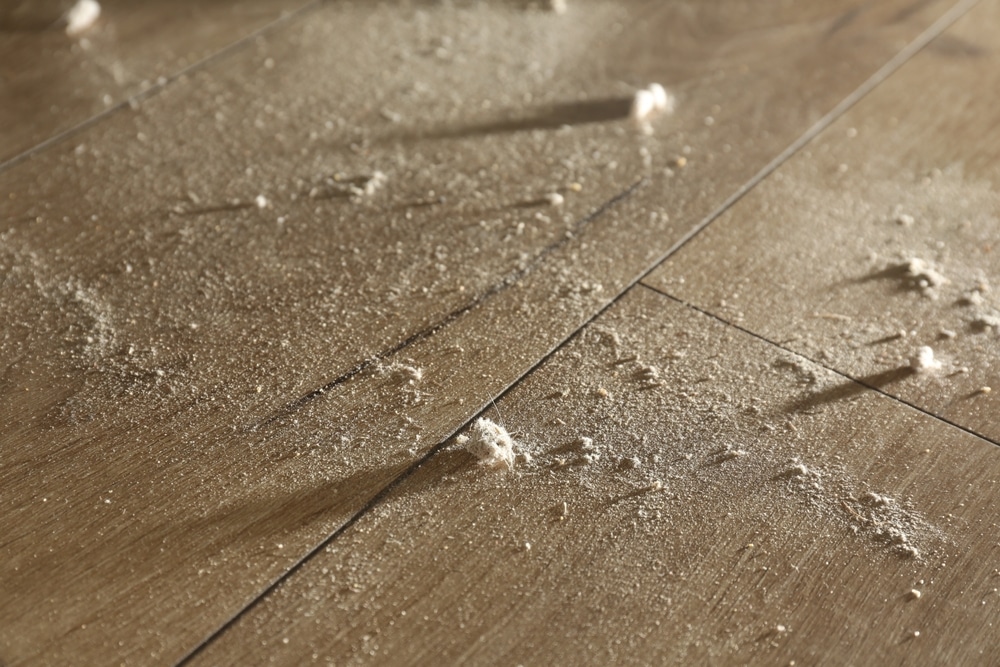
Dust is not just dirt from outside. In fact, household dust is a complex mix of particles. It often contains dead skin cells, fabric fibers, pet dander, pollen, soil particles, hair, and even microscopic bits of plastic. According to research from environmental health studies, a significant portion of indoor dust originates from human skin cells. We shed thousands of them every minute, and they do not simply disappear.
Add to that fibers from carpets, clothing, and furniture, and you have a constant supply of particles ready to settle. Outdoor elements also enter through open doors, windows, and even on your shoes. All of this means that dust is continuously being created and brought into your home. That is why effective dust removal tips focus not just on cleaning surfaces, but on reducing the sources.
Why Dust Builds Up So Quickly
Dust builds up fast because it is always in motion. Every time you walk across a room, sit on the couch, fluff a pillow, or turn on a fan, particles become airborne. Gravity eventually pulls them back down, coating surfaces evenly.
Air circulation plays a major role. Heating and cooling systems move air throughout your home, spreading dust from one room to another. If air filters are not clean, they can actually contribute to the problem. This constant cycle explains why you can wipe a shelf in the morning and notice a new layer of dust just days later.
Humidity levels also matter. In dry environments, particles stay airborne longer, increasing the chances they will settle across multiple surfaces. That is why many dust removal tips include monitoring indoor humidity as part of a long term strategy.
The Hidden Role of Fabrics and Soft Surfaces
Soft materials are dust magnets. Carpets, rugs, curtains, upholstered furniture, and bedding trap and release particles constantly. When you sit down on a fabric couch, you compress the fibers and push air out, sending dust into the room.
Carpets are especially effective at holding dust deep within their fibers. Even if the surface looks clean, walking across it can release tiny particles into the air. This is one reason why people with allergies often notice symptoms indoors.
One of the most practical dust removal tips is to vacuum carpets and upholstery regularly using a vacuum cleaner with a HEPA filter. These filters are designed to capture very small particles instead of blowing them back into the room. Washing curtains and bedding frequently also makes a noticeable difference.
How Your HVAC System Spreads Dust
Your heating, ventilation, and air conditioning system is designed to keep you comfortable, but it also circulates air and everything in it. If filters are clogged or low quality, dust can pass through and spread throughout your home.
Air ducts can accumulate dust over time. While not every home needs frequent duct cleaning, replacing HVAC filters every one to three months is strongly recommended by experts. Clean filters trap particles before they recirculate.
Among the most overlooked dust removal tips is simply checking your air filter regularly. A fresh, high efficiency filter can significantly reduce airborne particles and slow down how quickly surfaces get dusty.
Why Electronics Attract So Much Dust
Have you ever noticed that your television screen or computer monitor seems to attract more dust than other objects? Electronics generate static electricity, which can draw dust particles toward them.
In addition, electronics often produce a small amount of heat when operating. Warm air rises, carrying dust upward, where it can settle on and around devices. That is why media centers and office desks often need frequent cleaning.
When cleaning electronics, it is important to use a microfiber cloth that traps particles instead of pushing them around. Simple dust removal tips like unplugging devices before wiping them down and avoiding feather dusters can prevent dust from becoming airborne again.
Open Windows and Outdoor Air
Fresh air feels great, but it often comes with a hidden cost. Outdoor air carries pollen, soil particles, pollution, and other microscopic debris. When you open windows, you invite those particles inside.
Even if windows stay closed, small gaps around doors and frames can allow dust to enter. Shoes are another major source. Soil and debris cling to the soles and get tracked indoors.
One of the easiest dust removal tips is adopting a no shoes policy inside the house. Placing doormats at entrances and cleaning them regularly also reduces the amount of outdoor material that makes its way into your living space.
Smart Cleaning Habits That Actually Work
Many people unintentionally spread dust while cleaning. Dry dusting with a cloth or feather duster often just moves particles into the air, where they resettle elsewhere.
Instead, use a slightly damp microfiber cloth. Microfiber is designed to trap particles rather than scatter them. Always clean from top to bottom so falling dust does not undo your work. For example, wipe ceiling fans and high shelves before cleaning tables and floors.
Consistent routines matter more than occasional deep cleans. Weekly attention to high traffic areas prevents heavy buildup. Reliable dust removal tips emphasize method and frequency over aggressive scrubbing.

Dust Removal Tips for Long Term Control
If you want to slow dust accumulation over time, you need to combine daily habits with preventative measures. These dust removal tips are based on research and practical experience from cleaning professionals and indoor air experts.
First, declutter. The more objects you have on shelves and tables, the more surfaces dust can settle on. Fewer items mean fewer places for particles to land.
Second, invest in an air purifier with a HEPA filter if you live in a high pollution area or have allergies. Studies have shown that HEPA purifiers can reduce airborne particulate matter significantly.
Third, maintain indoor humidity between 40 and 50 percent. This level helps reduce static electricity and keeps particles from floating as freely in the air.
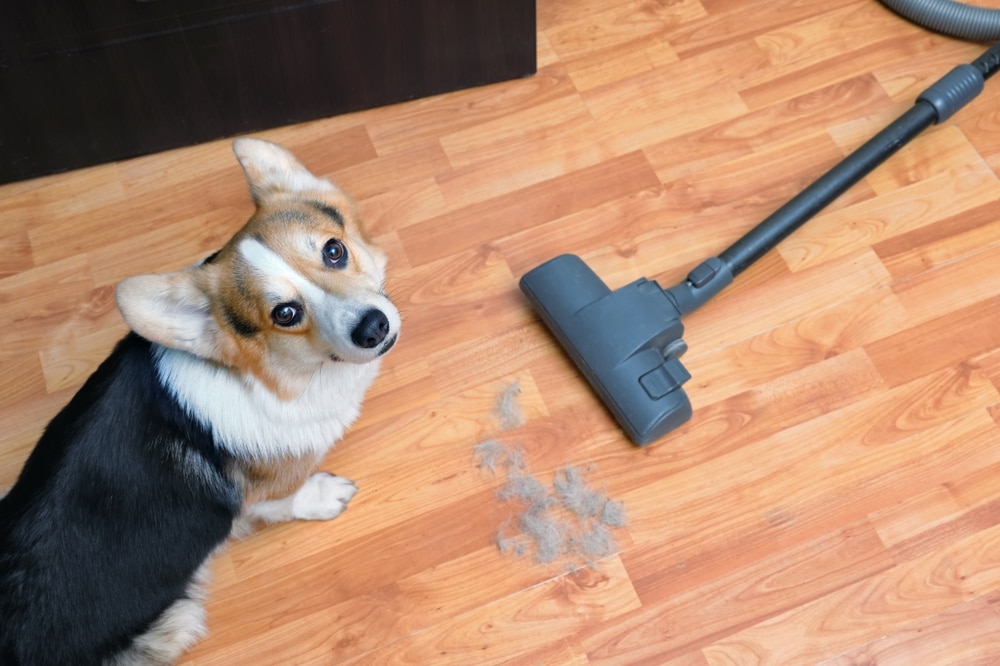
Fourth, wash pet bedding and groom pets regularly. Pet dander is a major contributor to dust in many households.
Finally, clean floors with a vacuum or damp mop instead of sweeping, which can push particles back into the air. When combined, these dust removal tips create a noticeable reduction in how fast dust returns.
The Psychology of Dust and Clean Spaces
Dust is not just a physical issue. It also affects how we feel about our environment. Studies in environmental psychology suggest that cluttered or visibly dusty spaces can increase stress and reduce focus. Even a thin layer on surfaces can subconsciously signal neglect or disorder.
On the other hand, clean surfaces reflect light better and make rooms appear brighter. This can positively influence mood and productivity. Following practical dust removal tips does more than improve air quality. It can make your home feel calmer and more welcoming.
Why You Can Never Eliminate Dust Completely
It is important to be realistic. You cannot remove dust entirely. As long as humans and fabrics exist in a space, particles will be generated. The goal is control, not perfection.
Understanding this can reduce frustration. Instead of wondering why dust keeps coming back, recognize that it is a natural process. By minimizing sources and improving cleaning techniques, you slow accumulation and maintain a healthier environment.
Effective dust removal tips are about consistency and smart prevention rather than chasing an impossible dust free home.
Dust builds up quickly because it is constantly being created, circulated, and resettled. From shedding skin cells and fabric fibers to outdoor particles and HVAC systems, many factors contribute to the steady layer that appears on your shelves. The good news is that with the right dust removal tips, you can dramatically slow it down. Focus on high quality air filters, regular vacuuming with HEPA technology, controlled humidity, and smarter cleaning habits. While you will never eliminate dust completely, you can absolutely manage it. A cleaner, fresher home is less about constant wiping and more about understanding how dust works and responding strategically.
Do you want more amazing tips to clean your home? Then visit our Cleaning & Maintenance page right here