
Scratches on wood furniture can feel like tiny disasters. One moment your table looks perfect, and the next it has a long, pale line running across the surface. The good news is that you do not need to be a professional restorer to repair wood scratches and bring your furniture back to life. With a few simple tools, a little patience, and the right method, you can dramatically improve the look of scratched wood at home. Before you consider replacing a beloved piece, it is worth learning how easy it can be to fix minor damage yourself.
Why Wood Furniture Scratches So Easily
Wood is a natural material. Even when it is sealed and finished, it still responds to pressure, moisture, and daily wear. Sliding a plate across a dining table, dragging a lamp a few inches, or even your pet jumping onto a chair can leave marks behind. Some scratches only affect the finish, while deeper ones cut into the wood fibers themselves.
Understanding the type of damage is the first step if you want to repair wood scratches successfully. Light scratches usually appear white or slightly dull because they disrupt the clear protective coat. Deeper scratches often look darker and can be felt clearly when you run your finger across them. The repair method depends on how deep the scratch goes.
When you know what you are dealing with, you can choose the right approach instead of guessing and potentially making the damage worse.
How to repair wood scratches at Home
Before you start any repair, clean the surface thoroughly. Dust, grease, and polish buildup can interfere with your efforts to repair wood scratches properly. Use a soft cloth with mild soap and water, then dry the area completely. A clean surface ensures that any filler, stain, or oil you apply will adhere evenly.
For very light surface scratches, sometimes the simplest solution works best. Rubbing a small amount of mineral oil or a specialized wood polish into the scratch can temporarily darken the area and make the mark less visible. Gently buff the area with a soft cloth in the direction of the grain. This technique can repair wood scratches that only affect the finish, not the wood underneath.
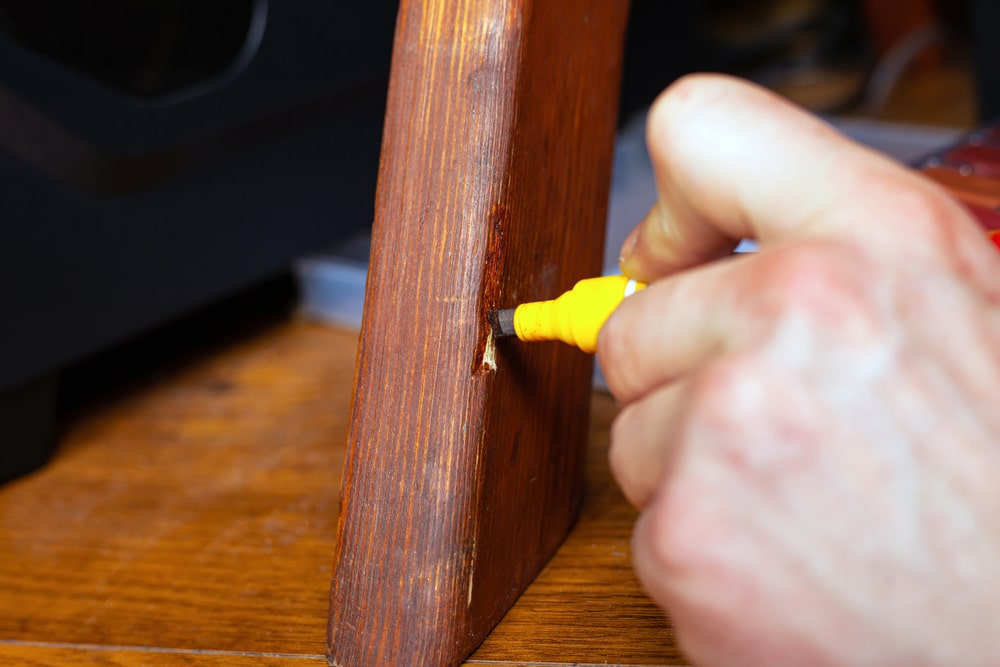
If the scratch is slightly deeper, a wood touch up marker that matches your furniture color can be very effective. Carefully color in the scratch, wiping away any excess immediately. This method helps repair wood scratches by blending the exposed wood with the surrounding finish, making the damage far less noticeable.
Using Household Items for Minor Scratches
You might be surprised to learn that you already have items at home that can help. For example, a mixture of vinegar and olive oil is a popular DIY solution. The vinegar cleans the area, while the oil helps disguise the scratch. Apply a small amount with a soft cloth and rub it into the scratch following the grain of the wood.
Another well known trick involves using a walnut. Yes, a simple walnut. By rubbing the meat of the nut over a light scratch, the natural oils can darken the exposed wood and reduce the appearance of the mark. While this will not permanently repair wood scratches, it can significantly improve how they look, especially on medium to dark wood.
These home remedies work best on shallow scratches. They are quick fixes rather than long term restorations, but they can be surprisingly effective for small cosmetic issues.
Repairing Deeper Scratches with Wood Filler
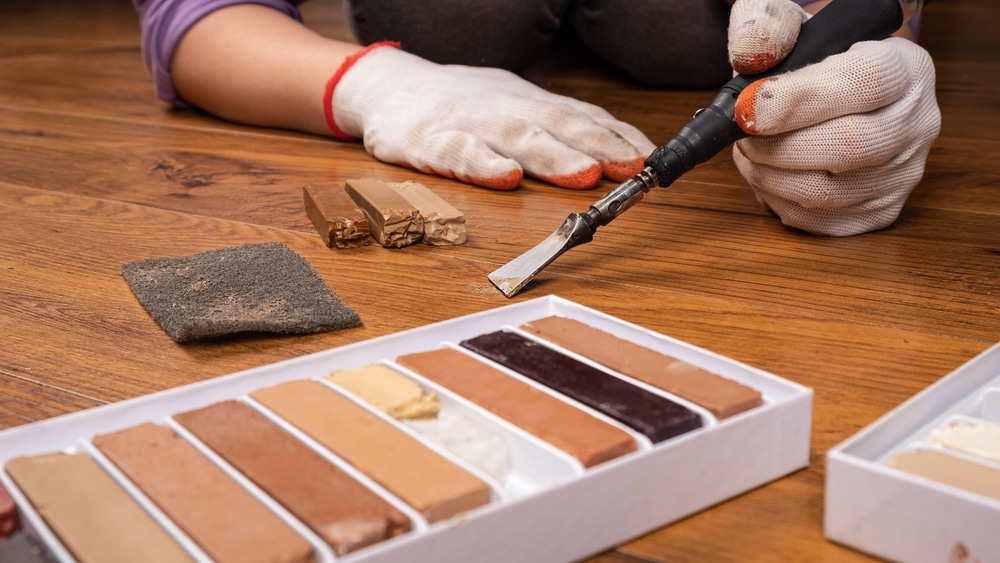
When scratches are deep enough to catch your fingernail, you will likely need wood filler. This product is designed to fill gaps and restore a smooth surface. Choose a filler that matches the color of your furniture, or one that can be stained after it dries.
Start by lightly sanding the scratched area with fine grit sandpaper. This removes loose fibers and smooths the edges of the scratch. Wipe away dust with a clean cloth. Then apply the wood filler using a putty knife, pressing it firmly into the scratch. Smooth the surface so it is level with the surrounding wood.
Once the filler is completely dry, sand it gently until it blends seamlessly with the rest of the surface. At this point, you can apply a matching stain or finish. This method is one of the most reliable ways to repair wood scratches that are deep and highly visible.
Blending the Repair with Stain and Finish
Color matching is often the trickiest part of the process. Even if you perfectly fill a scratch, a mismatched stain can make the repair stand out more than the original damage. Always test your stain on a hidden area first.
Apply the stain in thin layers, allowing each layer to dry before adding more. Building up the color gradually gives you more control. After the stain dries, seal the area with a clear finish that matches the original sheen, whether that is matte, satin, or glossy.
Taking the time to blend the repair properly ensures that your effort to repair wood scratches does not result in a patchy or uneven look. Patience here makes a huge difference in the final result.
What About Engineered Wood and Veneer
Not all wood furniture is solid wood. Many modern pieces are made from veneer, which is a thin layer of real wood glued over a composite base. Veneer can still be fixed, but it requires extra care.
Because the wood layer is thin, aggressive sanding can cause more harm than good. For veneer surfaces, it is usually better to rely on touch up markers, wax sticks, or very light filler applications. If the scratch goes through the veneer entirely, professional repair may be the safest option.
Even with these limitations, you can still repair wood scratches on veneer furniture if the damage is minor. The key is to work gently and avoid removing too much material.
Preventing Future Scratches
Once you have invested time to repair wood scratches, it makes sense to prevent new ones from forming. Use felt pads under chair legs and decorative items. Avoid dragging objects across wooden surfaces. Consider placing coasters, placemats, and tablecloths on frequently used tables.
Regular maintenance also helps. Dusting with a soft cloth and occasionally applying a suitable wood polish can keep the finish in good condition. A healthy finish acts as a protective barrier, reducing the likelihood of visible scratches.
Humidity control is another important factor. Wood expands and contracts with changes in moisture. Keeping indoor humidity stable can prevent cracks and make the surface more resistant to damage.
When to Call a Professional
DIY methods are excellent for minor to moderate damage. However, there are situations where professional help is the smarter choice. Antique furniture, valuable heirlooms, or pieces with intricate finishes may require specialized skills.
If the scratch is extremely deep, accompanied by cracks, or part of a larger structural issue, a furniture restoration expert can assess the situation properly. Attempting to repair wood scratches in these cases without experience might reduce the value of the piece.
Knowing your limits is part of responsible DIY. There is no shame in seeking expert advice when a piece truly matters.
Common Mistakes to Avoid
One common mistake is using the wrong color product. A filler or marker that is too dark can create an obvious patch. Another error is skipping the cleaning step. Dirt trapped under filler or stain can ruin the smoothness of the repair.
Over sanding is another frequent problem. Sanding too aggressively can remove surrounding finish and create a larger area to fix. Always start with the finest grit possible and increase only if necessary.
Finally, rushing the drying process can compromise the result. Allow fillers, stains, and finishes to dry fully before sanding or applying additional layers. Careful, steady work is the best way to repair wood scratches and achieve a professional looking outcome.
Bringing Your Furniture Back to Life
There is something deeply satisfying about restoring a piece of furniture with your own hands. Scratches that once caught your eye every time you entered the room can disappear or become barely noticeable. By learning how to repair wood scratches using simple DIY techniques, you not only save money but also extend the life of your furniture.
Wood furniture is meant to be used and enjoyed. A few marks along the way are part of its story. Still, when those marks become distracting, you now have practical, proven methods to address them. With the right tools and a little patience, you can repair wood scratches confidently and keep your favorite pieces looking beautiful for years to come.
Do you want more amazing tips for DIY Projects in your home? Then visit our DIY Projects page right here