
Keeping your living space fresh and inviting does not always require expensive services or complicated tools. Your sofa, often the centerpiece of your living room, collects dust, crumbs, pet hair, and stains more quickly than you might expect. The good news is that you do not need professional machines to restore its appearance. With the right approach and a bit of patience, you can clean your sofa at home using simple household items. This guide will walk you through practical, proven methods that are both safe and effective, helping you protect your furniture and extend its lifespan without unnecessary costs.
How to clean your sofa at home safely
Many people believe upholstery cleaning requires specialized equipment, but in reality you can clean your sofa at home with tools you probably already own. Regular maintenance not only improves the look of your furniture but also reduces allergens such as dust mites and pet dander. Sofas trap airborne particles every day, and over time this buildup can affect indoor air quality.
Before you clean your sofa at home, always check the manufacturer’s label. Most sofas have a tag with cleaning codes. A W means you can use water based cleaners. An S means solvent based cleaners only. WS means you can use either. An X means vacuum only and no liquid cleaners. Following these codes prevents accidental damage such as shrinking, discoloration, or fabric distortion.
If you plan to clean your sofa at home, preparation is key. Start by removing cushions and vacuuming every surface thoroughly. Use an upholstery attachment to reach crevices and seams where crumbs and debris hide. Vacuuming removes loose dirt and prevents it from turning into muddy residue when moisture is applied later.
Essential tools and supplies you already have
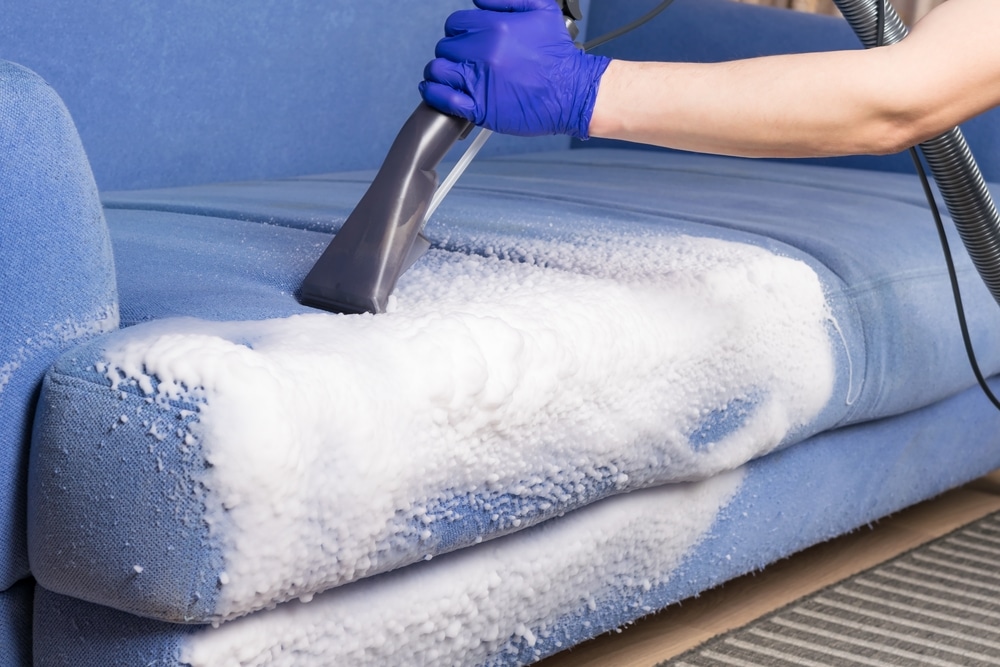
You do not need an industrial steam cleaner to achieve satisfying results. Basic household items can handle most cleaning tasks effectively. Gather a vacuum cleaner with an upholstery attachment, microfiber cloths, a soft brush, mild dish soap, white vinegar, baking soda, and warm water. For tougher stains, rubbing alcohol or hydrogen peroxide may help, but always spot test first.
The key to clean your sofa at home successfully is using the right amount of moisture. Upholstery should never be soaked. Excess water can seep into the cushions, leading to mold growth or unpleasant odors. Instead, use a lightly dampened cloth and blot gently rather than scrubbing aggressively.
Baking soda is particularly useful for neutralizing odors. Sprinkle it generously over the fabric and let it sit for at least 15 to 30 minutes before vacuuming. This simple step refreshes your sofa naturally without artificial fragrances.
Treating common stains the right way
When you clean your sofa at home, stain removal requires a targeted approach. Different stains respond to different treatments, and acting quickly improves your chances of complete removal.
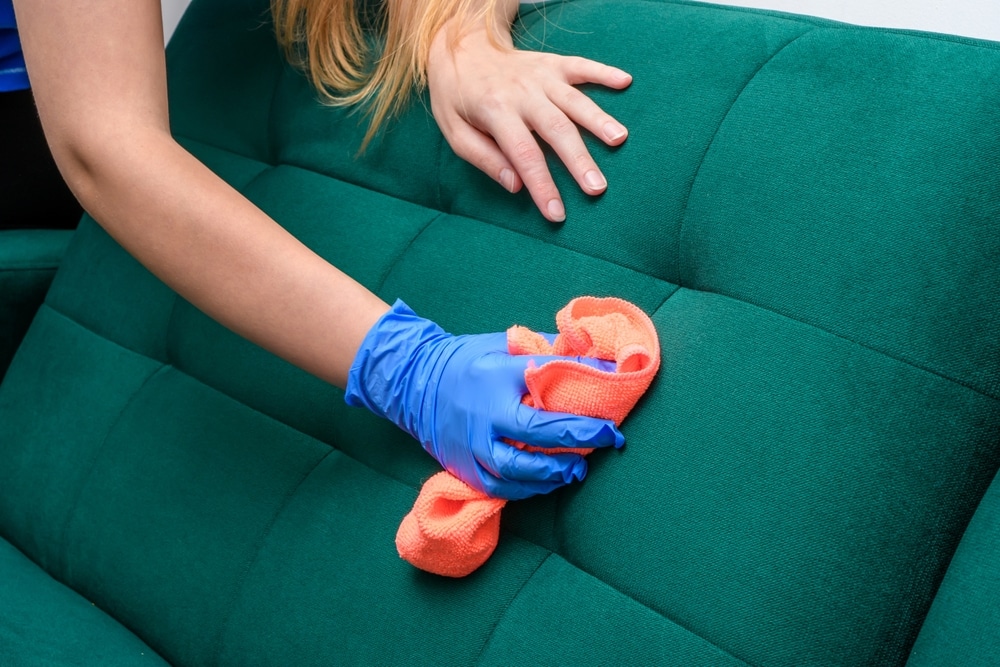
For food and drink spills, blot immediately with a dry cloth. Avoid rubbing, as this spreads the stain deeper into the fibers. Mix a small amount of mild dish soap with warm water and dab the area gently using a microfiber cloth. Blot with a clean damp cloth to remove soap residue, then let it air dry.
Grease stains can be more stubborn. Sprinkle baking soda or cornstarch over the affected area and leave it for several hours to absorb excess oil. Vacuum thoroughly before applying a mild soap solution if needed.
For ink stains, rubbing alcohol often works well. Lightly dab the stain with a cloth dipped in alcohol, being careful not to oversaturate the fabric. Always test on a hidden area first to ensure it does not cause discoloration. The more promptly you address spills, the easier it becomes to clean your sofa at home without leaving visible marks.
Deep cleaning fabric sofas
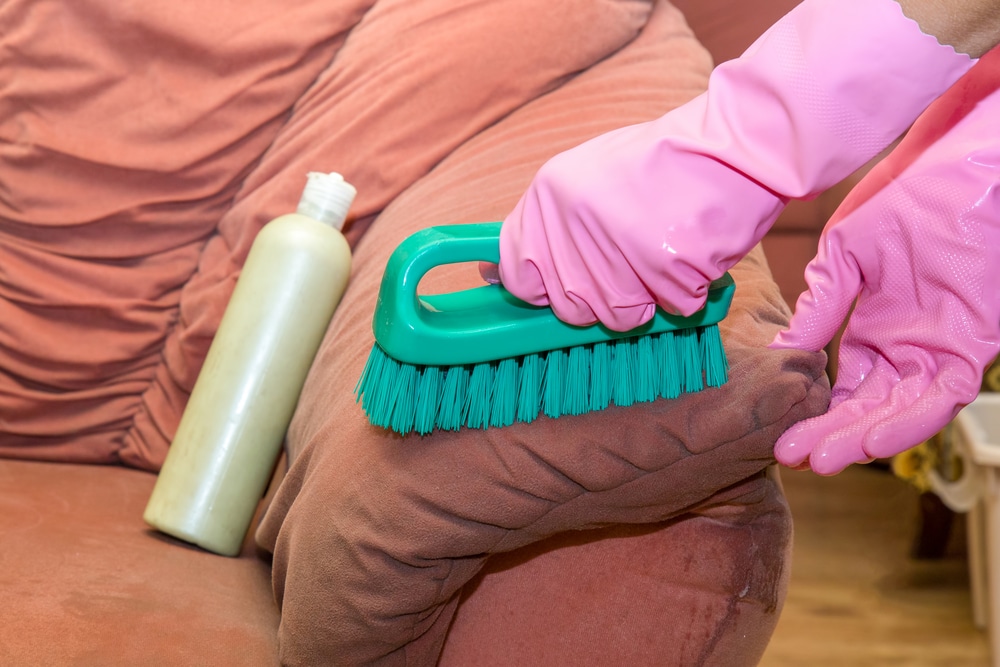
Even if your sofa looks clean on the surface, it benefits from occasional deep cleaning. After vacuuming and spot treating stains, you can create a gentle cleaning solution using warm water and a small amount of mild detergent.
Dip a soft brush or cloth into the solution and wring it out thoroughly. Lightly brush the fabric in small sections. Work methodically to avoid missing areas. Rinse your cloth frequently and keep moisture minimal.
After you clean your sofa at home, proper drying is crucial. Open windows to improve ventilation or use fans to speed up the process. Avoid sitting on the sofa until it is completely dry to prevent new dirt from sticking to damp fibers.
If your sofa covers are removable and machine washable, follow the care label instructions carefully. Use a gentle cycle and cold water to minimize shrinkage. Air drying is usually safer than tumble drying.
Cleaning leather sofas naturally
Leather sofas require a different approach because excessive water can damage the material. Start by dusting and vacuuming the surface using a soft brush attachment.
To clean your sofa at home when it is made of leather, mix equal parts white vinegar and water. Lightly dampen a microfiber cloth with the solution and wipe the surface gently. Follow up with a dry cloth to remove any excess moisture.
After cleaning, apply a leather conditioner to keep the material supple and prevent cracking. Conditioning every six to twelve months helps maintain the leather’s appearance and durability.
Avoid harsh chemicals, bleach, or ammonia based cleaners, as these can strip natural oils and cause permanent damage.
Dealing with persistent odors
Sofas can trap odors from pets, smoke, and cooking. Regular airing out helps, but deeper deodorizing may be necessary. Sprinkling baking soda over the entire surface and letting it sit overnight can significantly reduce smells.
People who clean your sofa at home regularly notice that consistent maintenance prevents odors from becoming embedded in the fabric. Vacuuming weekly removes particles that contribute to unpleasant smells.
For fabric sofas with strong odors, a light mist of diluted white vinegar can help neutralize lingering scents. The vinegar smell fades as it dries, taking unwanted odors with it.
Maintaining your sofa for long term freshness
Choosing to clean your sofa at home instead of hiring professional services can save money, but maintenance is what truly protects your investment. Establish a routine that includes weekly vacuuming and immediate stain treatment.
Rotate and fluff cushions regularly to distribute wear evenly. This prevents sagging and keeps the sofa looking balanced. If your sofa is placed near windows, consider closing curtains during peak sunlight hours to prevent fading.
Safety is important when you clean your sofa at home because improper techniques can cause fabric damage or color loss. Always test new cleaning solutions on a hidden area first. Gentle methods are typically more effective than aggressive scrubbing.
With patience, anyone can clean your sofa at home without stress. The process does not need to feel overwhelming if you break it down into manageable steps and focus on consistency rather than perfection.
When to consider professional help
While most routine cleaning tasks are manageable, there are situations where professional services may be necessary. Severe water damage, extensive mold growth, or delicate antique upholstery may require specialized care.
However, for everyday dirt, minor stains, and regular maintenance, it is entirely realistic to clean your sofa at home using the techniques outlined above. Understanding your sofa’s material and following proper guidelines minimizes risks and delivers reliable results.
A clean sofa does more than improve appearance. It creates a healthier environment for your household and makes your living space more comfortable for guests and family members alike.
Keeping your furniture in top condition does not have to be complicated or expensive. When you commit to a simple routine and use gentle, proven methods, you can clean your sofa at home with confidence and consistency. Over time, these small efforts prevent buildup and extend the life of your upholstery. Instead of waiting for stains and odors to become overwhelming, take action early and clean your sofa at home as part of your regular household care. Your living room will look fresher, feel more inviting, and remain a comfortable place to relax every single day.
Do you want more amazing tips to clean your home? Then visit our Cleaning & Maintenance page right here