
Mold in the bathroom is one of those problems that starts small and quickly turns into a frustrating mess. A few dark spots on the grout or ceiling can turn into a widespread issue if you don’t act fast. Learning how to Remove bathroom mold properly is not just about keeping your space looking clean. It is also about protecting your health and preventing damage to walls, tiles, and fixtures. The good news is that you can Remove bathroom mold effectively with the right approach, tools, and a bit of consistency. Let’s break down exactly how to stop it before it spreads.
Why Mold Grows So Easily in Bathrooms
Bathrooms are the perfect environment for mold. They are warm, humid, and often poorly ventilated. Mold spores are naturally present in the air, both indoors and outdoors. When these spores land on a damp surface and have moisture to feed on, they begin to grow.
Showers, bathtubs, sinks, and even damp towels create moisture. If that moisture is not removed through ventilation or cleaning, mold can develop within 24 to 48 hours. That is why it is so important to Remove bathroom mold as soon as you notice it. The longer it sits, the deeper it can penetrate porous materials like drywall and grout.
Mold typically appears as black, green, or sometimes brown spots. While many bathroom molds are common household varieties, they can still trigger allergies and respiratory irritation. Acting quickly to Remove bathroom mold can help maintain a healthier home environment.
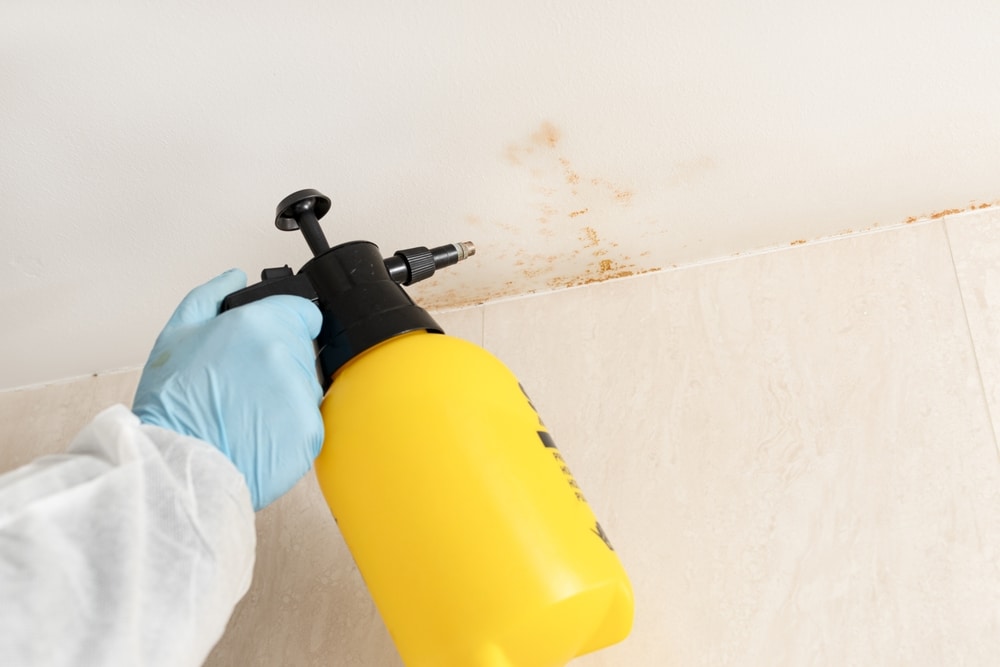
Signs You Need to Remove Bathroom Mold Immediately
Sometimes mold is obvious. You see dark streaks in the shower corners or patches on the ceiling. Other times it hides behind cabinets or under peeling paint. A musty odor is often the first sign.
Here are clear signals that it is time to Remove bathroom mold:
Visible discoloration on grout, caulk, tiles, or walls
Peeling paint or bubbling wallpaper
Persistent damp smell
Allergy symptoms that worsen in the bathroom
Ignoring these signs can allow mold to spread behind surfaces, making it much harder and more expensive to deal with. The earlier you Remove bathroom mold, the easier the process will be.
Safety First Before You Remove Bathroom Mold
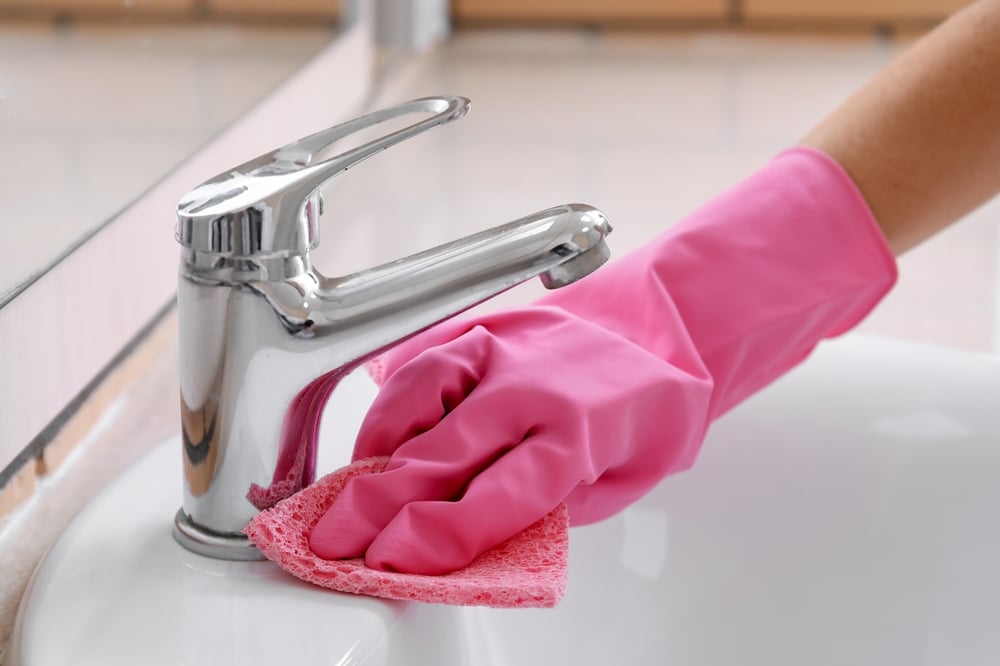
Before you start scrubbing, take a few precautions. Even small mold patches release spores into the air when disturbed. Protecting yourself is important.
Wear rubber gloves to protect your skin. Use a mask, ideally an N95 respirator, to avoid inhaling spores. Open windows or turn on the exhaust fan for ventilation. If the area is larger than about 10 square feet, experts such as the Environmental Protection Agency recommend considering professional help.
It is important to understand your limits. While it is common to Remove bathroom mold yourself in small areas, extensive growth inside walls or ceilings may require trained remediation specialists.
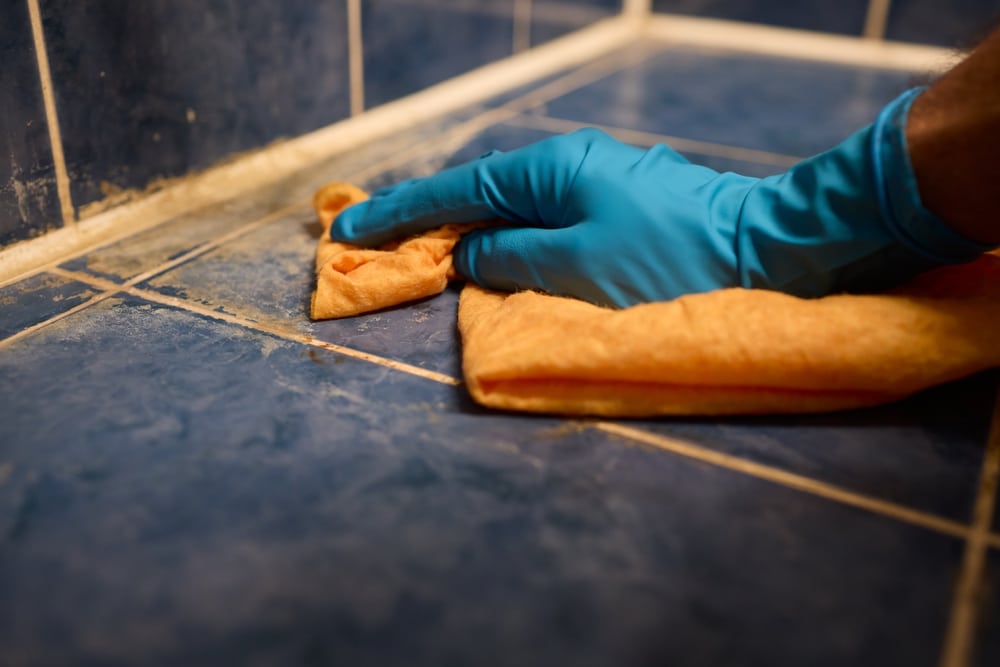
Natural Methods to Remove Bathroom Mold
Many homeowners prefer natural cleaning solutions. These can be effective for small mold patches on non porous surfaces.
White vinegar is one of the most popular options. Vinegar contains acetic acid, which can kill many types of mold. Spray undiluted white vinegar directly onto the affected area. Let it sit for at least one hour before scrubbing and rinsing. This method can help Remove bathroom mold on tiles and glass surfaces.
Baking soda is another option. Mix a tablespoon of baking soda with water in a spray bottle. Spray, scrub, rinse, and spray again lightly to prevent regrowth.
Hydrogen peroxide, at a 3 percent concentration, is also effective. Spray it onto moldy areas, let it sit for about 10 minutes, then scrub. These methods are useful when you want to Remove bathroom mold without harsh chemicals.
Using Bleach to Remove Bathroom Mold
Bleach is commonly used to Remove bathroom mold, especially on hard, non porous surfaces. It can effectively kill mold on tiles, bathtubs, and sinks.
To use bleach safely, mix one cup of bleach with one gallon of water. Never mix bleach with ammonia or other cleaners, as this can create toxic fumes. Apply the solution to the moldy area and let it sit for several minutes before scrubbing.
However, it is important to know that bleach does not penetrate porous materials well. While it may remove surface stains, mold roots can remain in materials like drywall or wood. In those cases, simply using bleach may not fully Remove bathroom mold.
How to Remove Bathroom Mold from Grout and Caulk
Grout and caulk are especially vulnerable because they are porous and often stay damp. To Remove bathroom mold from grout, start by applying a cleaning solution such as vinegar, hydrogen peroxide, or a commercial mold remover.
Use a stiff brush or an old toothbrush to scrub deeply into the grout lines. Rinse thoroughly and dry the area completely. If the mold has penetrated deeply, you may need to regrout.
For caulk, the solution may be different. If mold is embedded beneath the surface, cleaning might not be enough. In many cases, the best way to Remove bathroom mold from caulk is to remove and replace the affected caulk entirely. This ensures that hidden mold does not continue spreading underneath.
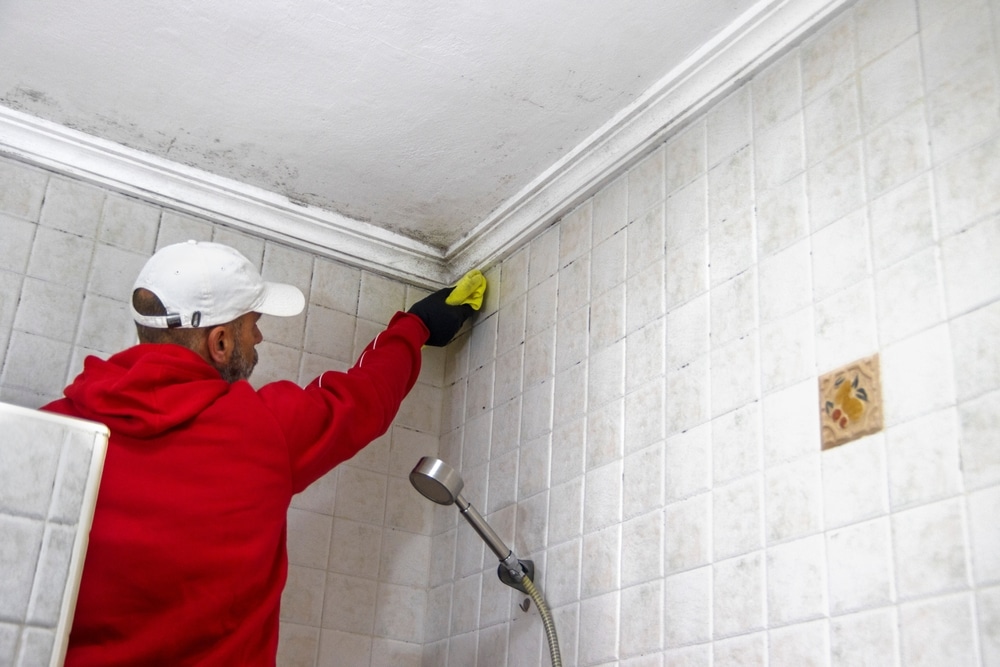
Removing Mold from Bathroom Ceilings and Walls
Mold on ceilings often forms due to steam rising from hot showers. If the surface is painted drywall, you need to be cautious. Light surface mold can often be cleaned with vinegar or a mild detergent solution.
Gently scrub the area without soaking the drywall. Excess moisture can cause further damage. After cleaning, make sure the area is fully dry. If the ceiling paint is peeling or the drywall feels soft, it may need to be replaced to fully Remove bathroom mold.
For painted walls, use a similar method. Always test your cleaning solution in a small hidden area first to avoid discoloration.
Preventing Mold from Coming Back
Once you Remove bathroom mold, prevention becomes your main focus. Mold thrives in moisture, so controlling humidity is essential.
Use the exhaust fan during and after showers for at least 20 minutes. If your bathroom does not have a fan, consider installing one. Open windows when possible to improve air circulation.
Wipe down wet surfaces after showering. Regularly wash shower curtains and bath mats. Fix leaks in faucets or pipes immediately. Even small drips can create enough moisture for mold to return.
Using a dehumidifier can also help, especially in bathrooms without good ventilation. Keeping indoor humidity levels below 50 percent significantly reduces the chance that you will need to Remove bathroom mold again.
When to Call a Professional
While many homeowners can Remove bathroom mold on their own, there are times when professional help is the safest choice.
If mold covers a large area, keeps returning despite cleaning, or appears inside walls, it is wise to consult a mold remediation expert. Professionals have specialized equipment to detect hidden moisture and remove contaminated materials safely.
People with asthma, allergies, or weakened immune systems should be particularly cautious. For them, attempting to Remove bathroom mold without proper protection may pose health risks.
Investing in professional removal may seem costly, but it can prevent structural damage and ongoing health issues in the long run.
The Health Impact of Bathroom Mold
Mold exposure can cause symptoms such as coughing, sneezing, itchy eyes, and skin irritation. According to health authorities like the Centers for Disease Control and Prevention, people sensitive to mold may experience more severe reactions.
While not all mold is toxic, it is impossible to determine the exact type without testing. That is why experts recommend treating all visible mold seriously. Promptly working to Remove bathroom mold reduces the chance of prolonged exposure.
Keeping your bathroom clean and dry is not just about appearances. It plays a role in maintaining good indoor air quality throughout your home.
Mold may seem like a minor nuisance at first, but it can quickly become a larger issue if ignored. Knowing how to Remove bathroom mold effectively gives you the power to protect both your home and your health. From natural remedies like vinegar and baking soda to stronger solutions like diluted bleach, there are practical ways to tackle the problem. The key is acting early, cleaning thoroughly, and addressing the moisture that allows mold to grow in the first place. When you consistently Remove bathroom mold and improve ventilation, you create a cleaner, safer bathroom that stays fresh long after the scrubbing is done.
Do you want more amazing tips to clean your home? Then visit our Cleaning & Maintenance page right here